check

check

check

check

check

check
In the intricate world of industrial automation, where precision and unwavering reliability are non-negotiable, the humble limit switch plays a pivotal role. Among the trusted names in this critical component category, the Unimax limit switch stands out as a benchmark for durability and performance. Engineered to deliver consistent signal control in demanding environments, these switches are the silent sentinels ensuring machinery operates within safe and efficient parameters.
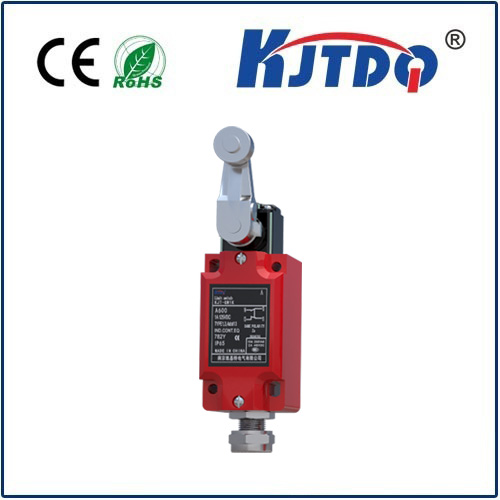
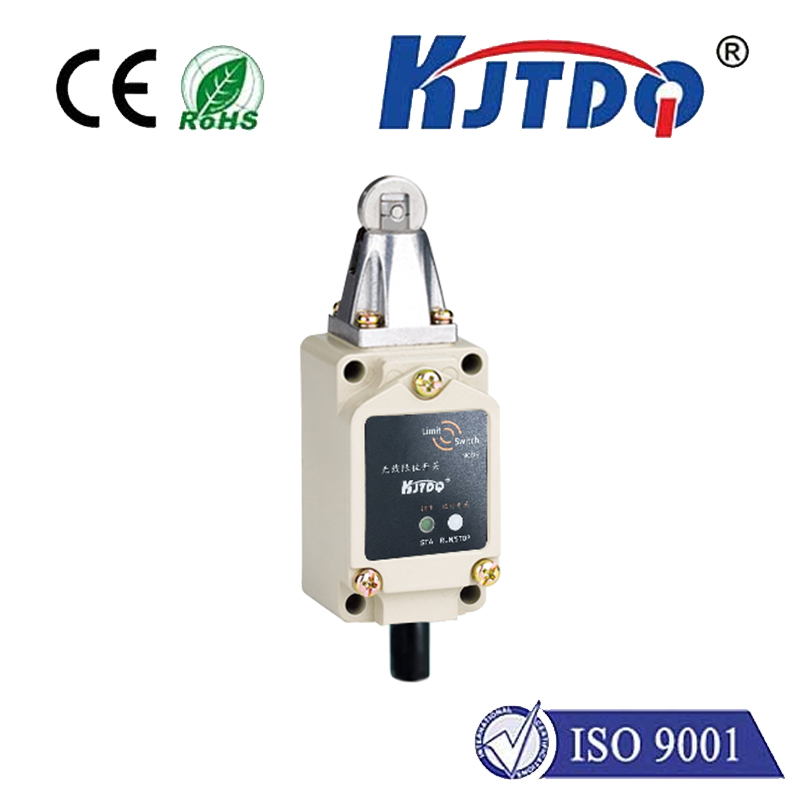
The core function of a limit switch is deceptively simple: to detect the presence or absence of an object, or to monitor the limits of mechanical motion. However, the execution of this task in harsh industrial settings—amidst dust, moisture, extreme temperatures, and constant vibration—demands exceptional engineering. Unimax limit switches are specifically designed to meet these challenges head-on. They typically feature robust enclosures with high Ingress Protection (IP) ratings, safeguarding internal mechanisms from contaminants. The actuators, whether lever, roller, or plunger style, are built from hardened materials to withstand millions of cycles of operation without failure. This construction directly translates to reduced downtime and lower maintenance costs, a key consideration for any operation focused on total cost of ownership.
One of the defining characteristics of the Unimax series is its versatility. Available in a wide array of configurations, including various housing materials like metal or engineered plastics, and different contact arrangements (SPDT, DPDT), they can be tailored to specific applications. From controlling the travel of a conveyor belt to positioning a robotic arm or serving as a safety interlock on a machine guard, the adaptability of these switches makes them a preferred choice for system integrators. The electrical specifications are clearly defined, ensuring compatibility with control systems and providing reliable switching for both power and signal circuits.
Installation and maintenance are streamlined with user-centric design features. Many models offer clear visual indicators for contact status, pre-wired connectors for faster setup, and adjustable mounting brackets for flexible positioning. This ease of integration reduces installation time and minimizes potential errors. Furthermore, the consistent mechanical life and electrical durability of the contacts ensure long service intervals, contributing to a stable and predictable production environment.
Beyond basic functionality, reliability in safety-critical applications is paramount. Unimax limit switches are often employed in systems where a failure could lead to equipment damage or personnel hazard. Their positive-opening contacts, a feature in many safety-rated models, provide a fundamental safeguard by ensuring the contacts open mechanically even in the event of a weld, fulfilling requirements for safety-related control functions. This commitment to safety underscores their role not just as components, but as integral parts of a responsible automation strategy.
In conclusion, for engineers and maintenance professionals seeking a dependable solution for motion control and position sensing, the Unimax limit switch represents a proven investment. Its combination of rugged construction, application flexibility, and design for reliability aligns perfectly with the needs of modern industrial automation. By ensuring precise and repeatable operation, it helps optimize processes, enhance safety, and support the continuous, efficient flow of production. When the margin for error is zero, choosing components with a legacy of performance, like those from the Unimax line, is not just a specification—it's a strategic decision for operational excellence.