check

check

check

check

check

check
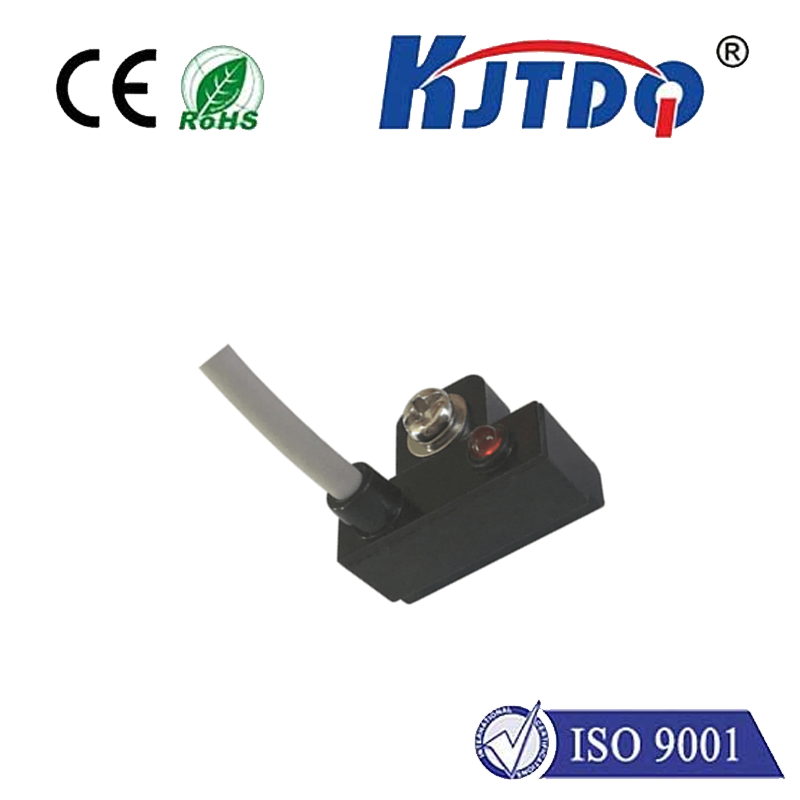
In the realm of industrial automation and precision machining, the reliability of every component is paramount. Among these critical components, limit switches play an indispensable role in ensuring operational safety, accuracy, and efficiency. Specifically designed for integration with Haas automation systems, Haas-compatible limit switches are engineered to meet the rigorous demands of modern manufacturing environments. These devices serve as sentinels, controlling the travel of machine parts by detecting the presence or absence of an object, thereby preventing over-travel and potential damage to expensive equipment.
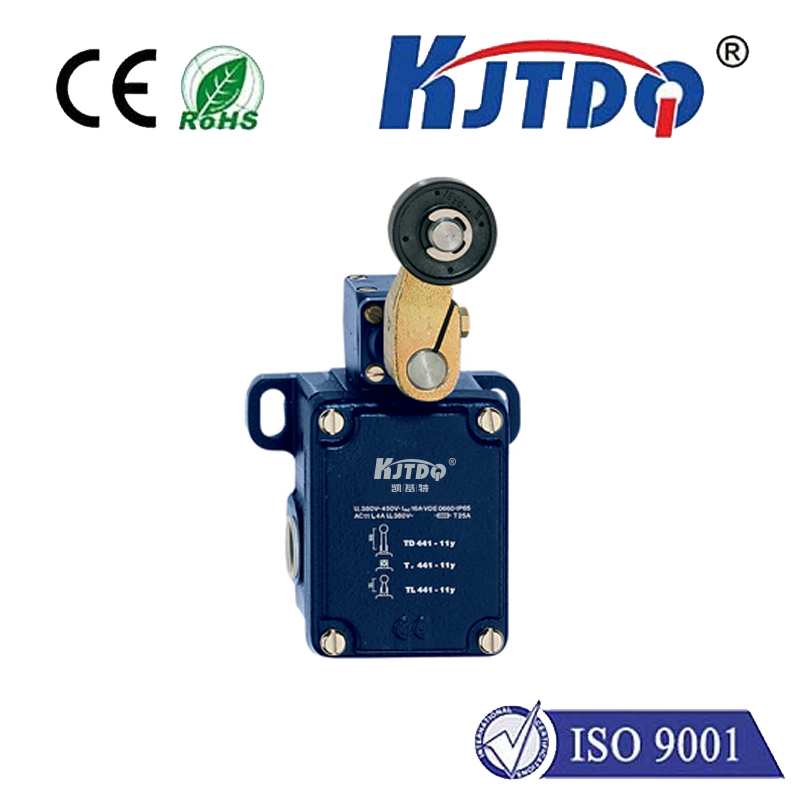
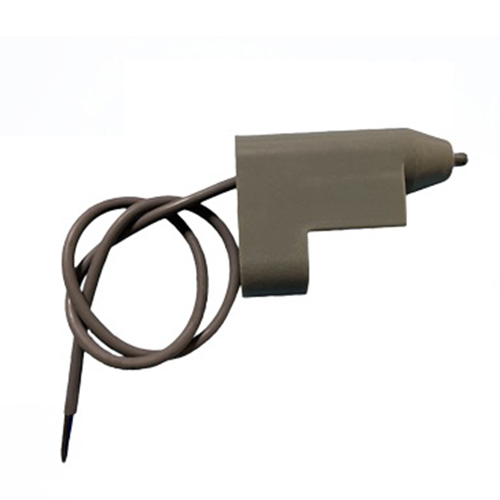
A limit switch, in its essence, is an electromechanical device that consists of an actuator mechanically linked to a set of contacts. When an object comes into contact with the actuator, the switch operates to either make or break an electrical connection. In the context of Haas machine tools, these switches are strategically placed to define the boundaries of axis movement. For instance, they ensure that a milling machine's spindle or a lathe's turret does not exceed its programmed path, safeguarding both the machine and the workpiece. The precision offered by high-quality limit switches directly translates to consistent part quality and reduced downtime, which are critical factors for maintaining competitive advantage.
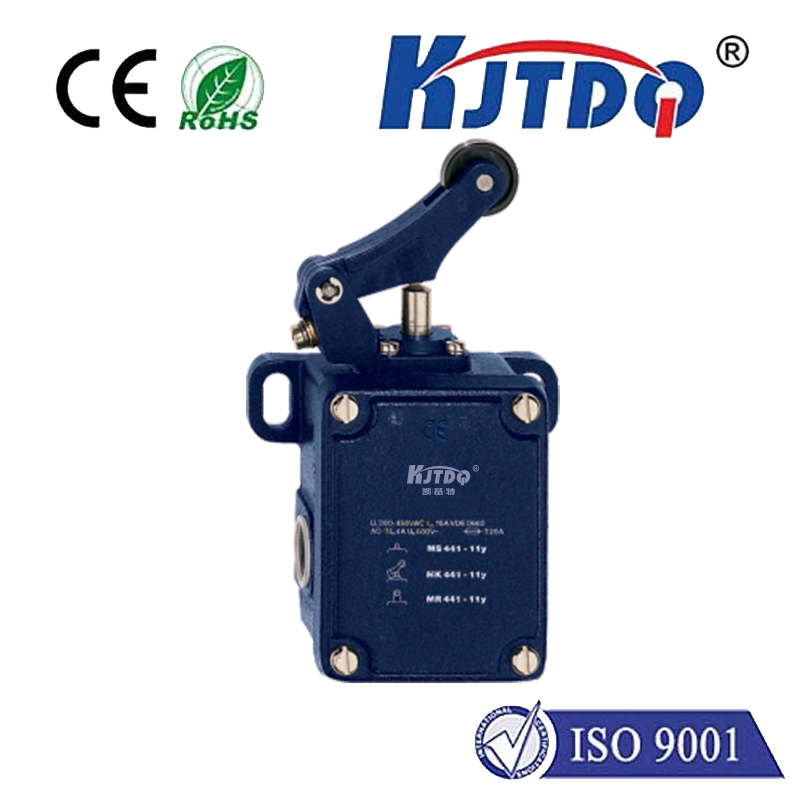
The selection of an appropriate limit switch for a Haas system involves several considerations. Durability stands at the forefront. Manufacturing floors are often characterized by exposure to coolants, metal chips, oil, and constant vibration. A robust limit switch must have a housing rated for such conditions, typically meeting IP67 standards for dust and water ingress protection. The electrical rating is another vital factor, ensuring the switch can handle the required current and voltage without failure. Furthermore, the actuator type—whether lever, roller, or plunger—must be chosen based on the specific application to ensure reliable actuation.
Installation and maintenance practices significantly influence the longevity and performance of these switches. Proper alignment during installation is crucial; a misaligned switch may fail to actuate or suffer premature wear. Regular inspection schedules should include checking for physical damage, loose connections, and the accumulation of debris around the actuator. Cleaning the switch and its surrounding area with appropriate solvents can prevent malfunctions caused by contamination. Proactive replacement of switches showing signs of wear, rather than waiting for a complete failure, is a best practice that prevents unplanned production halts.
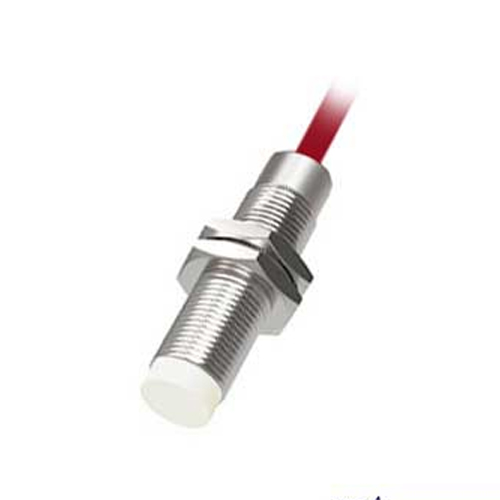
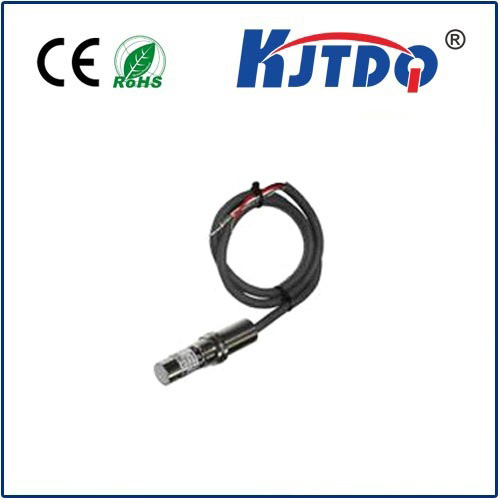
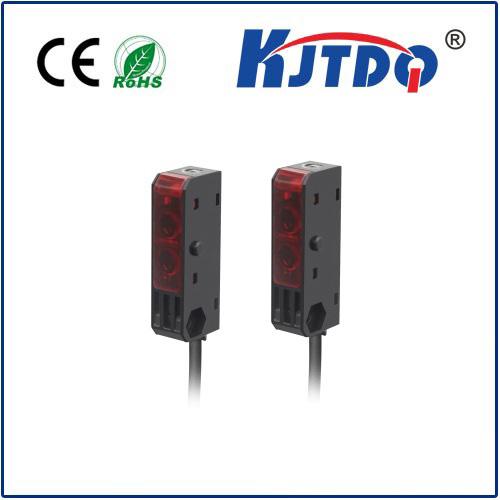
Technological advancements have also impacted limit switch design. While traditional mechanical switches remain prevalent, solid-state and proximity-based limit sensors are gaining traction in certain applications for their non-contact operation and longer lifespan. However, for many Haas machine setups, the proven reliability, straightforward diagnostics, and cost-effectiveness of mechanical limit switches make them the preferred choice. Their simple operation allows for quick troubleshooting—a blown fuse or a tripped switch is often easily identifiable and rectified, minimizing machine idle time.
Integrating high-quality, compatible limit switches into a Haas automation system is not merely a maintenance task; it is a strategic investment. It enhances the overall system's reliability, protects capital-intensive machinery, and ensures the smooth flow of production. By providing precise positional control, these components are fundamental to achieving the high levels of automation and repeatability that modern manufacturing demands. For facility managers and engineers, understanding the function, selection criteria, and upkeep of these switches is key to optimizing operational throughput and maintaining a safe working environment.
Ultimately, the seamless operation of a Haas machine tool hinges on the synergy of all its parts. The limit switch, though a small component, carries a significant responsibility. Its consistent performance underpins the machine's ability to execute complex programs with precision, batch after batch. Ensuring these switches are of superior quality, correctly installed, and well-maintained is a fundamental step toward achieving manufacturing excellence and operational resilience in today's competitive industrial landscape.