check

check

check

check

check

check
In the ever-evolving landscape of industrial automation and consumer electronics, the quest for reliability, durability, and simplicity drives constant innovation. A significant development in this realm is the emergence and adoption of devices designed with no micro switch. This design philosophy represents a fundamental shift away from traditional electromechanical switching mechanisms, promising to redefine performance standards across numerous applications.
Traditional micro switches, also known as snap-action switches, have been the backbone of control systems for decades. They function as precise, fast-acting triggers, commonly found in appliances, safety interlocks, and control panels. However, their mechanical nature introduces inherent limitations. The physical contact points within are susceptible to wear, corrosion, and eventual failure over millions of cycles. Environmental factors like dust, moisture, and extreme temperatures can compromise their integrity, leading to unreliable operation. Furthermore, the audible "click" and physical actuation force, while sometimes desirable, can be drawbacks in applications requiring silent operation or ultra-light touch.
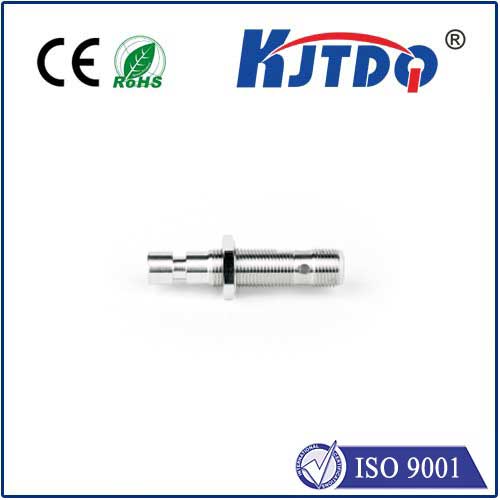
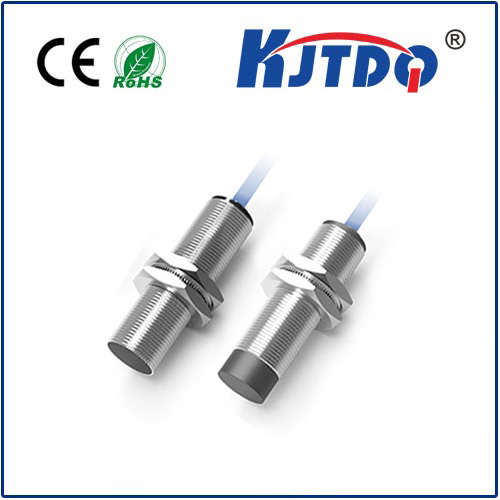
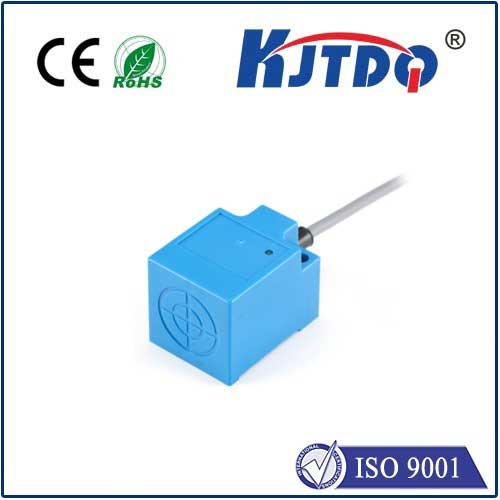
The concept of a system with no micro switch addresses these challenges head-on by leveraging alternative sensing and actuation technologies. One prominent replacement is the solid-state sensor. Technologies such as Hall effect sensors, capacitive touch sensors, and optical interrupters perform the same function as a traditional switch but without moving parts. A Hall effect sensor, for instance, detects the presence of a magnetic field. When a magnet attached to a button or door comes into proximity, the sensor registers the change and sends a signal—all without any physical contact. This eliminates mechanical wear entirely, dramatically extending the operational lifespan, often into the billions of cycles.
Capacitive touch interfaces offer another compelling alternative, replacing physical buttons with smooth, sealed surfaces. These sensors detect changes in capacitance when a finger approaches, enabling control with a mere touch. This not only removes moving parts but also allows for sleek, waterproof, and easy-to-clean designs, which are invaluable in medical equipment, kitchen appliances, and outdoor interfaces. Similarly, optical sensors use an infrared LED and a phototransistor to detect an object interrupting the light beam, providing a highly reliable and fast non-contact switching solution.
The advantages of implementing a design with no micro switch are substantial. The most significant benefit is unparalleled reliability and longevity. Without contacts that can arc, pit, or oxidize, these systems are far more resilient in harsh environments. They exhibit consistent performance regardless of vibration or positional changes. Maintenance requirements plummet, reducing downtime and total cost of ownership over the product's life. For end-users, this translates to devices that are more dependable and less prone to needing repairs.
From a design perspective, engineers gain greater flexibility. The absence of a mechanical switch allows for more compact and innovative form factors. Buttons can be replaced with seamless touch panels, sliders, or even gesture-based controls. This opens new avenues for product aesthetics and user interaction. Additionally, these non-contact systems operate silently, a critical feature in residential settings, libraries, or offices.
The applications for this technology are vast and growing. In the automotive industry, non-contact sensors are used for gear position detection, brake pedal sensing, and touch-sensitive dashboard controls, enhancing both safety and the driving experience. In home appliances, modern washing machines, coffee makers, and induction cooktops utilize capacitive touch panels, offering a modern look and improved hygiene. Industrial safety systems employ optical or magnetic sensors for door interlocks on machinery, ensuring worker protection with fail-safe reliability that mechanical switches struggle to guarantee. Even in consumer electronics, the power button on many modern laptops and tablets often relies on a Hall effect sensor activated by a magnet in the lid, enabling seamless sleep/wake functionality.
Adopting a no micro switch approach does require careful consideration. The initial component cost for high-quality solid-state sensors can be higher than for basic micro switches. The design and integration process may also be more complex, often requiring supporting circuitry for signal conditioning and noise immunity. Engineers must account for factors like electromagnetic interference (EMI) and ensure proper calibration for environmental stability. However, when evaluated against the long-term benefits of reduced failure rates, lower maintenance, and superior performance, the investment is frequently justified.
As the Internet of Things (IoT) and smart devices continue to proliferate, the demand for robust, maintenance-free interfaces will only intensify. The trend toward miniaturization and sealed designs for water and dust resistance (as seen in IP ratings) aligns perfectly with the strengths of non-contact switching technologies. The future points toward more intelligent, adaptive systems where sensing is integrated seamlessly, often without the user even perceiving a discrete "switch" action.
In conclusion, the move toward control systems incorporating no micro switch is more than a minor technical tweak; it is a paradigm shift toward greater durability, design freedom, and user-centric functionality. By replacing fragile mechanical contacts with solid-state, optical, or capacitive sensing, manufacturers are building products that are quieter, more reliable, and better suited for the demands of the modern world. This evolution underscores a broader principle in engineering: sometimes, true progress lies not in improving an existing component, but in reimagining its function altogether.