check

check

check

check

check

check
In the dynamic landscape of industrial automation, the reliability of every component is paramount. Among these critical components, the limit switch stands as a silent guardian, ensuring machinery operates within safe and predefined parameters. The evolution towards a stronger limit switch represents a significant leap in operational durability, safety protocols, and overall system resilience. This advancement is not merely an incremental improvement but a fundamental enhancement designed to meet the rigorous demands of modern manufacturing, material handling, and heavy machinery applications.
Traditional limit switches have long been the workhorses of positional control. They send a signal when a machine part reaches a specific point, preventing over-travel and potential damage. However, in environments characterized by extreme temperatures, high vibration, moisture, dust, and physical impact, standard switches can falter. This is where the engineering behind a stronger limit switch becomes indispensable. These robust devices are constructed with reinforced housings, often from high-grade metals or engineered polymers, providing superior resistance to mechanical stress and environmental contaminants. The internal mechanisms are fortified to withstand millions of operational cycles without degradation in performance, ensuring consistent signal accuracy over an extended lifespan.
The core benefit of deploying a stronger limit switch is the substantial reduction in unplanned downtime. Equipment failure due to a faulty switch can halt an entire production line, leading to significant financial losses. The enhanced durability of these switches directly translates to fewer replacements, lower maintenance costs, and increased machine availability. For industries operating around the clock, this reliability is a direct contributor to bottom-line profitability and operational continuity. Furthermore, the inherent robustness allows for installation in locations previously deemed too hazardous for conventional switches, thereby expanding design possibilities for engineers.
Safety is another domain where the stronger limit switch proves its worth. In applications involving heavy presses, robotic arms, or automated guided vehicles (AGVs), a failure in positional sensing can have severe consequences. The fortified design ensures that safety signals are transmitted without fail, acting as a dependable fail-safe. This reliability is crucial for compliance with stringent international safety standards and regulations, helping protect both personnel and capital investments. The switch's ability to perform consistently under duress adds an indispensable layer of protection to any automated system.
Integration with modern Industrial Internet of Things (IIoT) platforms is a key feature of the latest stronger limit switches. Many models now come equipped with diagnostic capabilities, providing real-time data on their operational status. This predictive maintenance feature allows facility managers to monitor switch health and schedule maintenance proactively, moving from a reactive to a predictive operational model. This connectivity aligns perfectly with the industry's shift towards smart factories and data-driven decision-making.
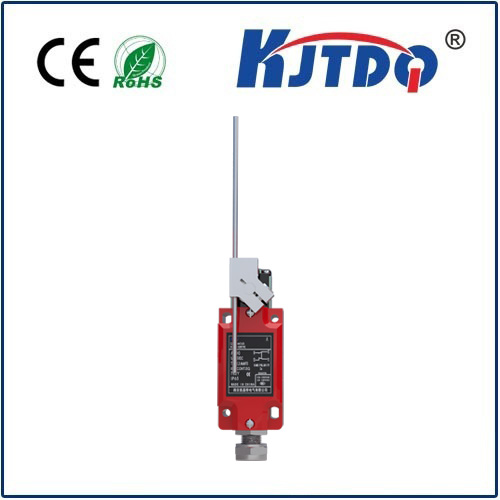
When selecting a stronger limit switch, several factors must be considered. The ingress protection (IP) rating is vital for determining resistance to dust and water. The mechanical life rating, often in the tens of millions of cycles, indicates longevity. The operating force and repeat accuracy are critical for precision applications. Finally, the type of actuator—roller lever, plunger, or whisker—must be chosen based on the specific motion it needs to detect. Consulting with technical specialists can ensure the selected switch perfectly matches the application's mechanical, environmental, and electrical requirements.
In conclusion, the move towards a stronger limit switch is a strategic investment in industrial robustness. It addresses the core challenges of durability, safety, and efficiency in an increasingly demanding operational world. By choosing a switch engineered for strength and longevity, businesses not only safeguard their machinery but also fortify their productivity and safety standards, ensuring they are built to last in a competitive global market.