check

check

check

check

check

check
In industrial and commercial heating systems, the high limit switch serves as a critical safety component, designed to interrupt power to the heating element when temperatures exceed a safe threshold. A fundamental aspect of diagnosing this vital device is understanding its electrical resistance, measured in ohms (Ω). This guide delves into the principles of high limit switch ohms, offering practical knowledge for testing, troubleshooting, and ensuring system reliability.
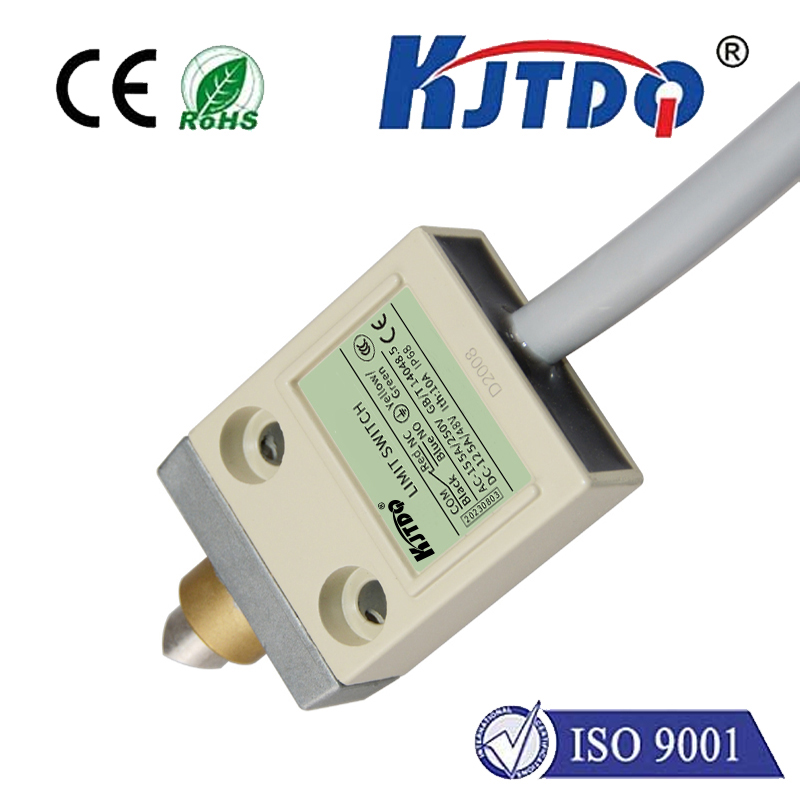
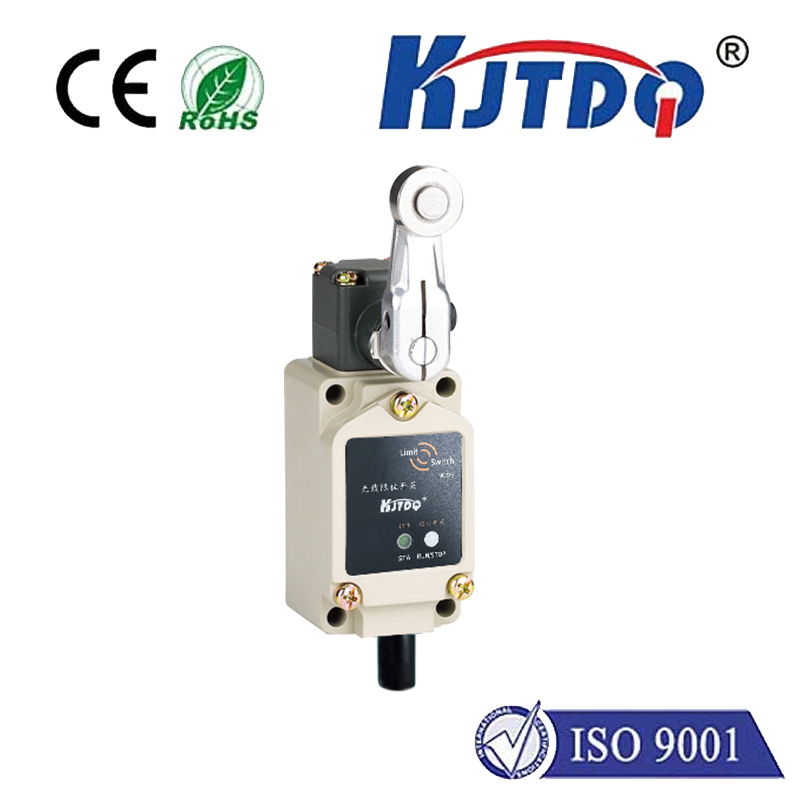
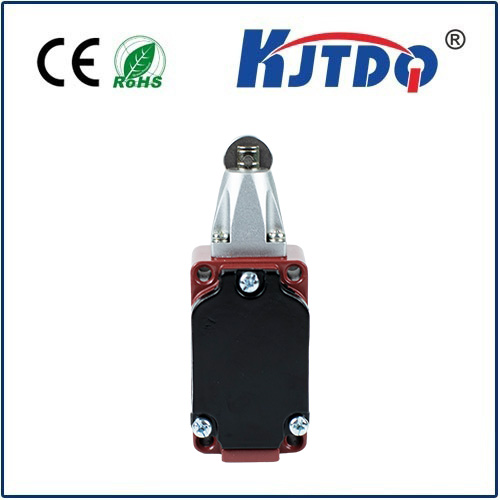
At its core, a high limit switch is a temperature-activated safety device. It typically operates as a normally closed (NC) switch. Under normal operating conditions, the switch contacts remain closed, allowing current to flow through the circuit to the heater. When the sensed temperature rises to its predetermined "trip" or "limit" setpoint, a bimetallic disc or other sensing mechanism physically opens the contacts, breaking the circuit and shutting down the heat source to prevent overheating, potential fire hazards, or equipment damage.
The electrical resistance, or ohms, of a functional high limit switch in its normal state (cool, not tripped) should be very low, ideally approaching zero ohms. This low resistance indicates a continuous, unobstructed path for electrical current. When you measure across the two terminals of a cool, untripped limit switch with a digital multimeter (DMM) set to the resistance (Ω) function, you should read a value close to 0.1 Ω or less. This confirms the internal contacts are firmly closed.
Conversely, a high limit switch that has tripped due to excessive heat or one that has failed open will show an extremely high resistance or an "OL" (Over Limit) reading on the multimeter. This indicates an open circuit where no current can pass. It's crucial to distinguish between a properly tripped switch and a failed one. A tripped switch may reset automatically upon cooling or require a manual reset button, depending on its design. A failed switch will remain open even when cool.
A third possible reading is an intermediate, unstable, or unusually high resistance (e.g., several hundred or thousand ohms) when the switch is cool. This typically points to internal failure. Common causes include pitted, corroded, or burnt contacts from arcing, a weakened or damaged bimetallic element, or loose internal connections. Such a switch is unreliable and must be replaced, as it can cause intermittent operation, failure to carry the full load current (leading to heat at the connection), or complete system shutdown.
Accurate testing is essential. Always ensure the power to the appliance or system is completely disconnected and locked out before testing. Identify the high limit switch, usually located near the heat source like a furnace heat exchanger or water heater tank. Disconnect at least one wire from the switch terminals to isolate it from the rest of the circuit for a true reading. Set your DMM to the lowest ohms setting. Place the probes on the two switch terminals. A near-zero reading indicates a good, closed switch. An OL reading indicates an open circuit (tripped or failed). Allow a tripped switch to cool completely and check for a reset mechanism before retesting. If it remains OL when cool, it has failed.
Several factors can cause a high limit switch to trip repeatedly or fail. Restricted airflow due to dirty filters, blocked vents, or a failing blower motor is a primary culprit, causing heat to build up. A faulty primary control or relay might keep the heater energized too long. The limit switch itself might be incorrectly rated for the application or located in a poor position. Mechanical issues like a worn bimetallic strip can also lead to premature failure.
Understanding the ohms reading of your high limit switch is a powerful diagnostic tool. A near-zero ohm measurement confirms electrical continuity and a healthy switch in its normal state. An infinite resistance (OL) reading requires further investigation to determine if it's a legitimate safety trip or a permanent failure. Regular inspection and proper testing as part of a preventive maintenance schedule can prevent unexpected downtime and maintain the critical safety function of this component. Always prioritize safety procedures, consult equipment manuals for specific values and procedures, and replace any switch that shows signs of inconsistency or damage.