check

check

check

check

check

check
In the intricate world of industrial automation and machinery control, there exists a critical component whose role is paramount yet often overlooked: the lever actuator limit switch. This device is far more than a simple on/off trigger; it is a sophisticated sentinel, ensuring operational safety, precision, and reliability in countless applications. From conveyor belts in packaging plants to the massive arms of robotic welders, the lever actuator limit switch acts as the definitive boundary, telling a machine exactly where to start, stop, or change course.
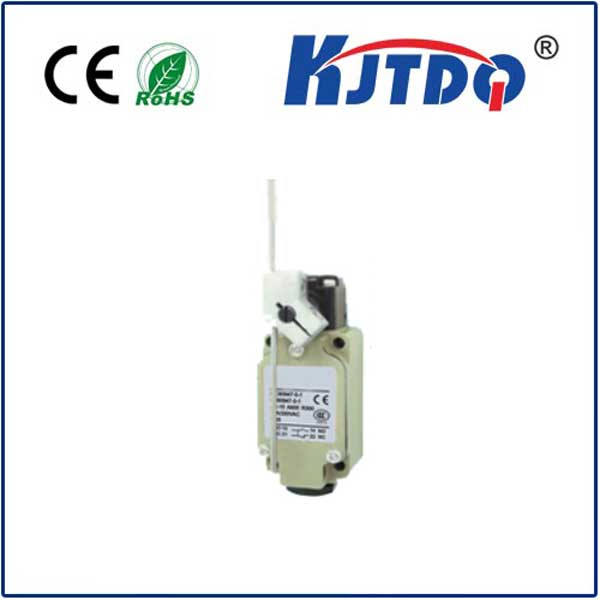
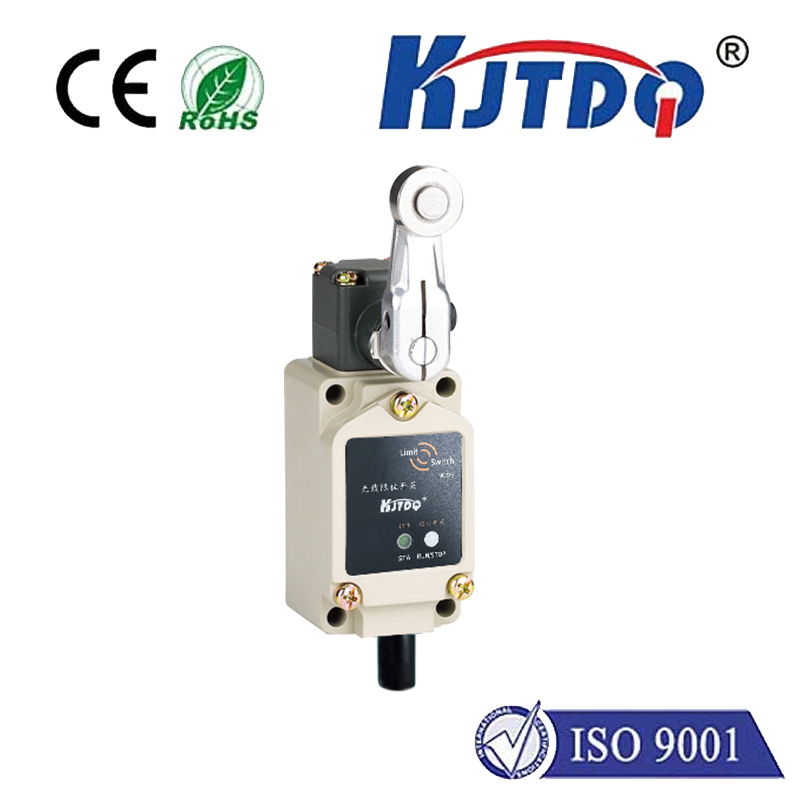
At its core, a limit switch with a lever actuator is a electromechanical device. It houses a switching mechanism—often with SPDT (Single Pole, Double Throw) or similar configurations—that is physically actuated by a mechanical lever. This lever extends the switch's reach and provides a versatile interface with the moving part it is monitoring. When a machine component, such as a gate, door, or sliding platform, comes into contact with and moves the lever, it triggers the internal contacts to change state. This change sends a clear electrical signal back to the machine's control system, typically a Programmable Logic Controller (PLC), which then executes a pre-programmed command: stop, reverse, initiate a new sequence, or sound an alarm.
The genius of the lever actuator lies in its adaptability. The levers themselves come in various forms—standard levers, roller levers, fork levers, and wobble sticks—each designed for specific types of contact and motion. A roller lever, for instance, is ideal for applications involving sliding or cam-driven movements, reducing wear and friction. This versatility allows engineers to precisely tailor the switch's operation to the unique kinematics of their machinery. Furthermore, these switches are built to endure. Housed in robust metallic or high-grade polymer enclosures, they boast impressive ingress protection (IP) ratings like IP65 or IP67, making them resistant to dust, oil, coolants, and water jets—common adversaries in harsh industrial environments.
The applications are virtually limitless. In material handling, they prevent overtravel on crane bridges and hoists, ensuring loads are positioned accurately and safely. In automotive assembly lines, they confirm the precise placement of components before a robotic arm begins its weld. In packaging machinery, they detect the presence or absence of a product, controlling the flow of operations. They are the silent guardians at the end of a garage door's track and the critical feedback device in complex woodworking equipment. Without the definitive "click" of a well-placed limit switch, processes would lack repeatability, safety interlocks would fail, and machinery could suffer catastrophic damage from overextension or collision.
Choosing the right lever actuator limit switch involves careful consideration of several factors. The operating force and travel of the lever must match the mechanical force available from the moving part. The electrical rating (voltage and current) must be compatible with the control circuit. Environmental conditions dictate the required housing material and sealing. Perhaps most importantly, reliability and longevity are non-negotiable. A failure in a limit switch can lead to costly downtime, product damage, or even personal injury. This is why selecting switches from reputable manufacturers known for precision engineering and rigorous testing is a cornerstone of robust system design.
While the rise of proximity sensors (inductive, capacitive, photoelectric) has provided contactless alternatives for some applications, the lever actuator limit switch remains irreplaceable in scenarios demanding physical confirmation. Its operation is straightforward, unambiguous, and often mechanically failsafe. It provides a tangible, positive feedback that a position has been reached, a quality that pure sensor-based systems sometimes struggle to match with the same level of simplicity and cost-effectiveness.
In conclusion, the lever actuator limit switch is a testament to elegant, reliable engineering. It solves a fundamental control problem with mechanical ingenuity and electrical simplicity. As industries continue to advance towards smarter, more connected systems, the basic, dependable feedback provided by these switches will continue to form the essential backbone of machine control logic. They are not just switches; they are the definitive decision-makers at the physical limits of motion, enabling the precise, safe, and efficient automation that modern manufacturing and processing rely upon every single day.