check

check

check

check

check

check
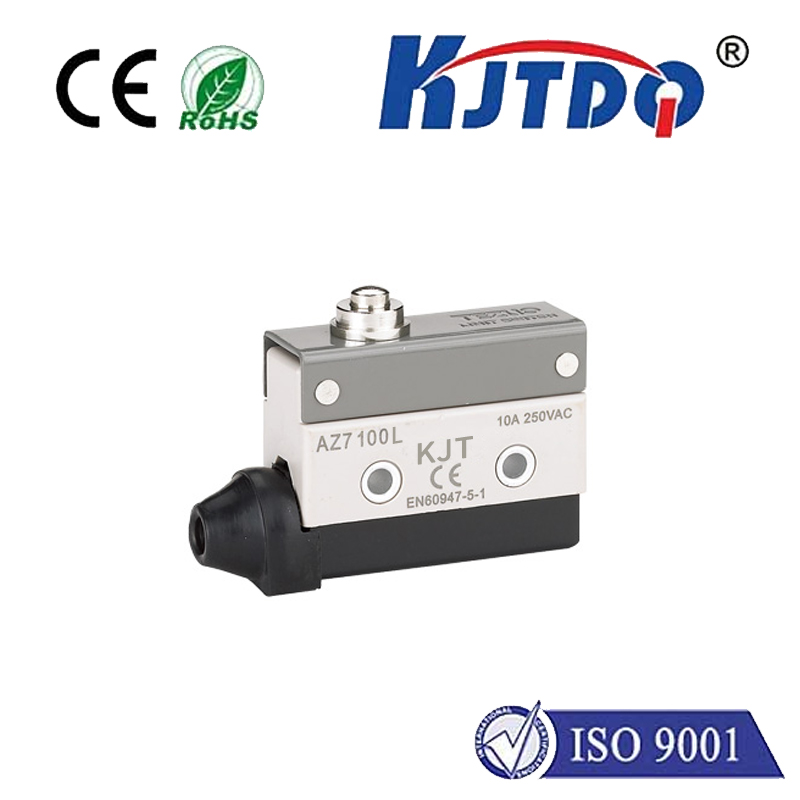
In the world of electronic components and industrial control systems, the micro switch stands as a fundamental building block. Among its various actuator types, the pin plunger variant holds a unique and critical position. This guide delves deep into the micro switch with a pin plunger, exploring its design, operational principles, key advantages, and diverse applications, providing a comprehensive understanding for engineers, procurement specialists, and hobbyists alike.
A micro switch, by definition, is a compact, snap-action switch that requires minimal physical force to actuate. The term "pin plunger" specifically refers to the actuator's shape—a small, precise, cylindrical pin that extends from the switch body. This plunger is the direct point of contact with the external mechanism. When an external force is applied to this pin, it moves linearly, internally triggering a rapid "snap-action" of the electrical contacts. This action ensures a quick make-or-break of the circuit, minimizing arcing and providing a crisp, reliable signal. The travel distance of the pin plunger is typically very short, often just a few millimeters, which is a hallmark of its precision.
The design of a pin plunger micro switch offers several distinct benefits. First and foremost is its precision. The small cross-sectional area of the pin allows for actuation by very specific, localized forces. This makes it ideal for applications where the target is small or where over-travel must be strictly limited. Secondly, it provides excellent tactile feedback. The snap-action mechanism, felt through the plunger, gives a clear, physical confirmation of actuation to both the machine and the operator. Reliability is another cornerstone. The sealed design around the plunger often provides good protection against dust and minor liquid ingress (with appropriate IP ratings), and the robust internal mechanism is built for millions of cycles. Finally, its compact form factor allows for installation in tight spaces where other actuator types might not fit.
The applications for micro switches with pin plungers are vast and span numerous industries. In the realm of industrial automation, they are ubiquitous as limit switches. They are used to detect the precise position of a robotic arm, the end-of-travel of a linear actuator, or the presence of a part on an assembly line. The pin plunger is perfect for being depressed by a cam, a lever, or a moving machine part at an exact point. Within consumer electronics and appliances, you'll find them in printers to detect paper jams or tray positions, in vending machines to confirm product dispensing, and in sophisticated door interlock systems for safety. The automotive industry relies on them for gear position sensing, brake pedal position detection, and in various safety mechanisms. Furthermore, they are integral to medical devices, gaming equipment, and security systems where dependable, repeatable actuation is non-negotiable.
When selecting a pin plunger micro switch for a project, several specifications demand careful consideration. The operating force, measured in grams or Newtons, defines how much pressure is needed to actuate the switch. The release force is usually slightly less. The pre-travel is the distance the plunger moves from its free position to the point of electrical contact actuation, while over-travel is the additional distance it can safely move after actuation without damage. Electrical ratings, including voltage (AC/DC) and current capacity, must match the circuit requirements. Environmental factors such as operating temperature range and ingress protection (IP) rating are crucial for harsh environments. Finally, mechanical life expectancy, often rated in millions of cycles, should align with the application's durability needs.
To ensure long-term performance, correct installation and maintenance are key. The switch should be mounted securely to prevent misalignment, which could cause binding or uneven wear on the pin plunger. The actuating object should contact the center of the plunger squarely to avoid sideload, a common cause of premature failure. Designers should incorporate mechanical stops to limit over-travel and prevent damage from excessive force. While these switches are generally maintenance-free, periodic inspection for physical damage, contamination, or loose connections is good practice in critical systems.
In conclusion, the micro switch with a pin plunger is a masterpiece of electromechanical engineering, offering an unmatched combination of precision, tactile feedback, and rugged reliability in a miniature package. Its role in enabling precise control, safety interlocks, and position feedback across countless industries cannot be overstated. By understanding its principles, advantages, and selection criteria, professionals can effectively leverage this component to enhance the performance, safety, and intelligence of their mechanical and electronic systems. From a complex industrial robot to a simple household device, the humble pin plunger micro switch continues to be a silent, indispensable guardian of functionality and precision.