check

check

check

check

check

check
In the world of fluid control and pumping systems, reliability and safety are non-negotiable. At the heart of achieving this lies a critical, yet often overlooked component: the water pump limit switch. This device serves as the intelligent guardian of your pump, preventing potential damage from dry running, overpressure, or other hazardous conditions, thereby ensuring system longevity and operational efficiency.
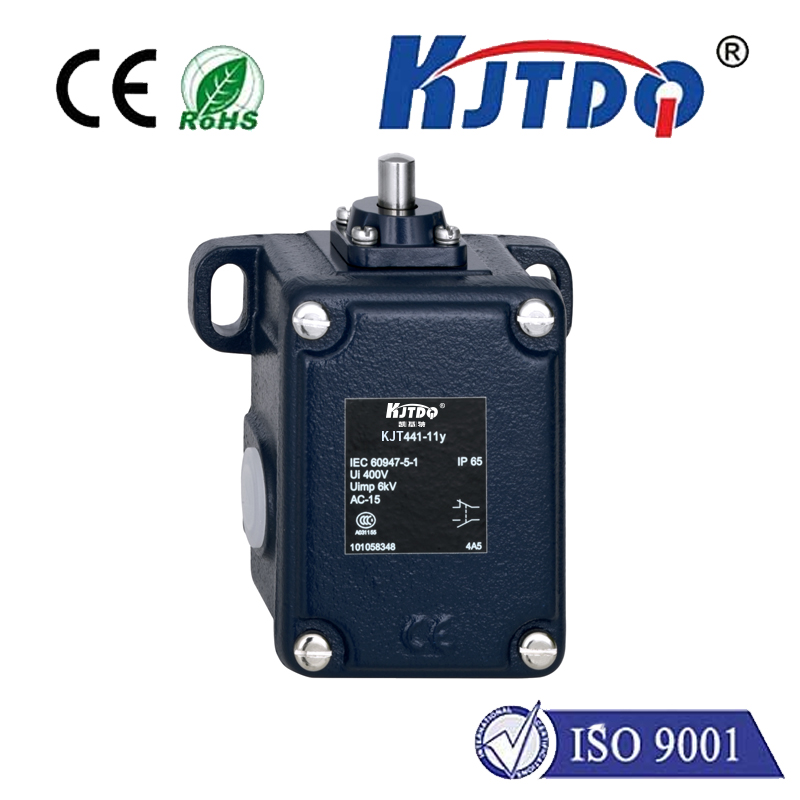
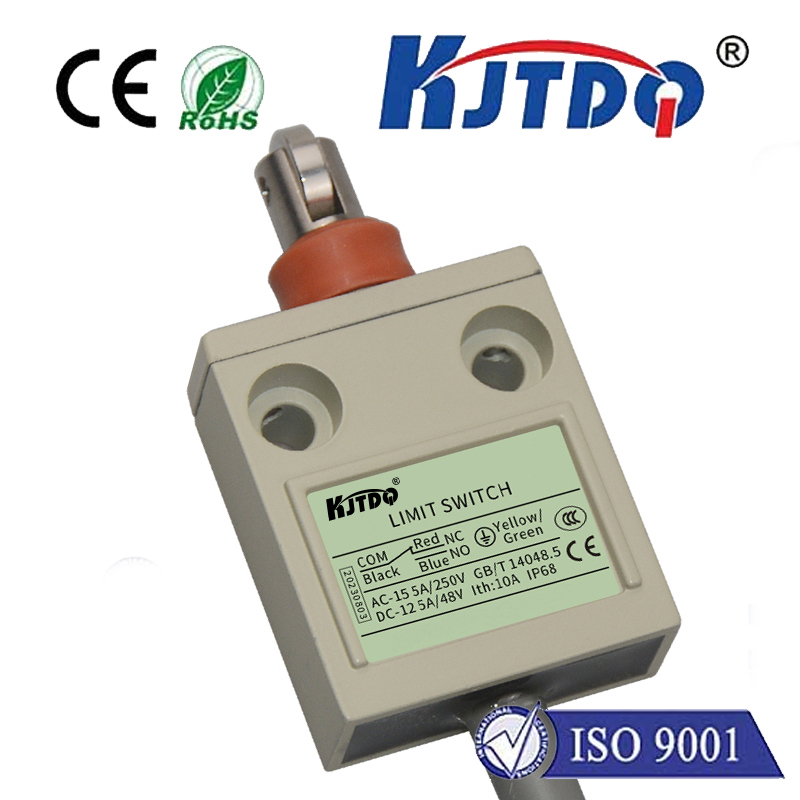
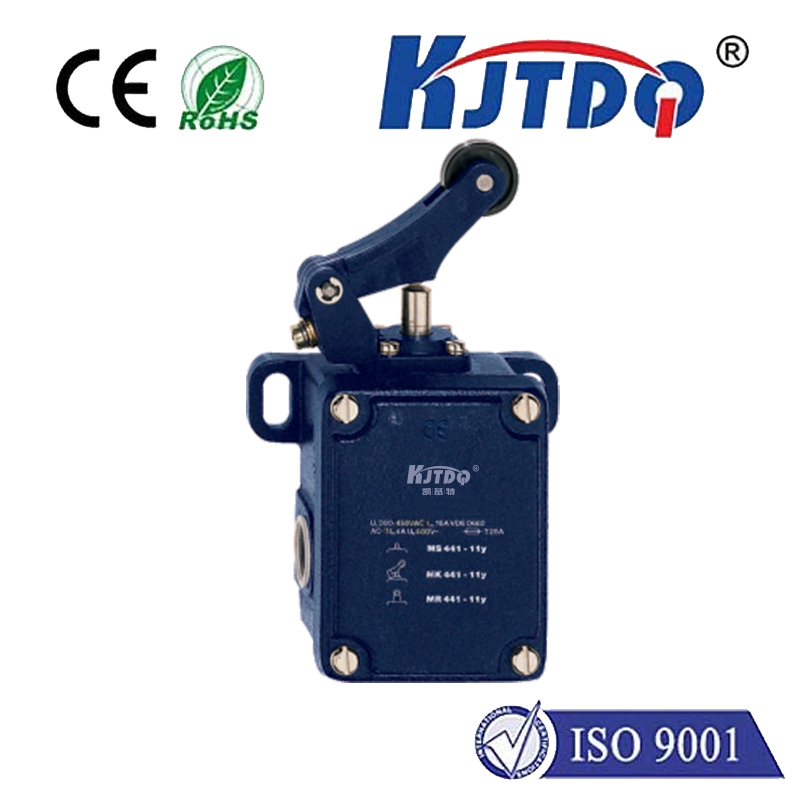
A water pump limit switch is essentially an electromechanical sensor. It is designed to monitor a specific physical condition—most commonly liquid level or pressure—and automatically open or close an electrical circuit when a preset limit is reached. This action signals the pump control system to start or stop the pump motor. For instance, in a common residential well system or a commercial water supply setup, a float-activated limit switch will turn the pump on when the water level in the tank drops to a low point and turn it off once the tank is full. This cyclical control prevents the pump from running dry, which can cause catastrophic overheating and mechanical failure within minutes.
The applications for these switches are vast and varied. Beyond simple water tanks, they are integral to industrial processes, HVAC systems, wastewater management, and irrigation. In more complex setups, pressure limit switches are used to maintain system pressure within a safe operating range, protecting pipelines and connected equipment from stress. The core benefit is clear: automation. By automating the pump's operation based on real-time conditions, limit switches eliminate the need for manual monitoring, reduce human error, and optimize energy consumption. A pump that runs only when necessary significantly cuts down on electricity costs and wear-and-tear.
When selecting a water pump limit switch, several key factors must be considered to ensure compatibility and performance. The operating environment is paramount. Will the switch be exposed to moisture, corrosive chemicals, extreme temperatures, or explosive atmospheres? Choosing a switch with an appropriate Ingress Protection (IP) rating and constructed from materials like stainless steel or high-grade plastics is crucial for durability. The type of actuation is another critical decision. Float switches are cost-effective for level control, while diaphragm or piston-actuated pressure switches are better for closed pressure systems. Electrical ratings must match the pump motor's power requirements to handle the load safely.
Installation and regular maintenance are the final pillars of ensuring a limit switch performs its duty reliably. Proper installation according to the manufacturer's guidelines—correct mounting orientation, secure wiring, and calibration of the set points—is essential. Over time, mechanical parts can wear, or contacts may become fouled. A routine check, perhaps quarterly or semi-annually depending on usage, can involve testing the switch's activation points, cleaning any debris, and verifying its electrical response. This simple preventative measure can avert costly pump failures and unscheduled downtime.
In conclusion, the water pump limit switch is a small investment that delivers substantial returns in system protection, energy savings, and operational peace of mind. It transforms a simple pump into a smart, self-regulating component of a larger system. For engineers, facility managers, and homeowners alike, understanding and implementing the right limit switch is a fundamental step toward building a resilient and efficient fluid handling system. By acting as a diligent sentinel, it ensures that water flows precisely when and where it is needed, safeguarding both the equipment and the process it supports.