check

check

check

check

check

check
In the fast-paced world of industrial automation, where precision and reliability are non-negotiable, the humble limit switch remains a cornerstone of control and safety systems. Among the leaders in this critical field, Rotech has established a reputation for engineering limit switches that set the benchmark for durability and accuracy. This guide delves into the essential role of the Rotech limit switch, exploring its design principles, diverse applications, and the tangible benefits it brings to modern manufacturing and machinery.
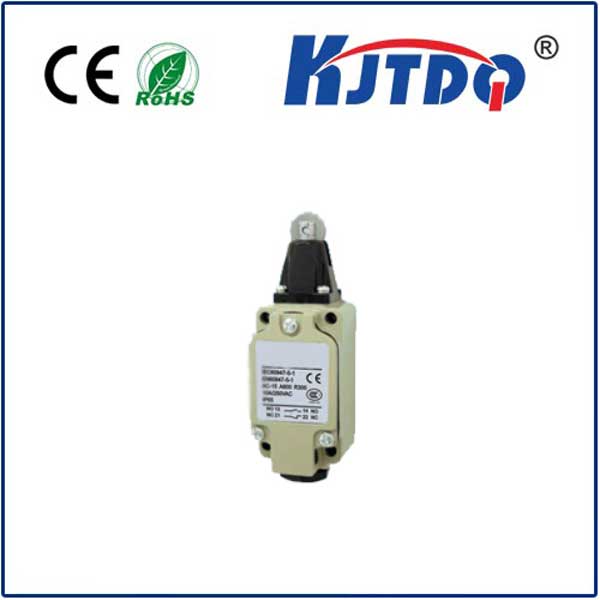
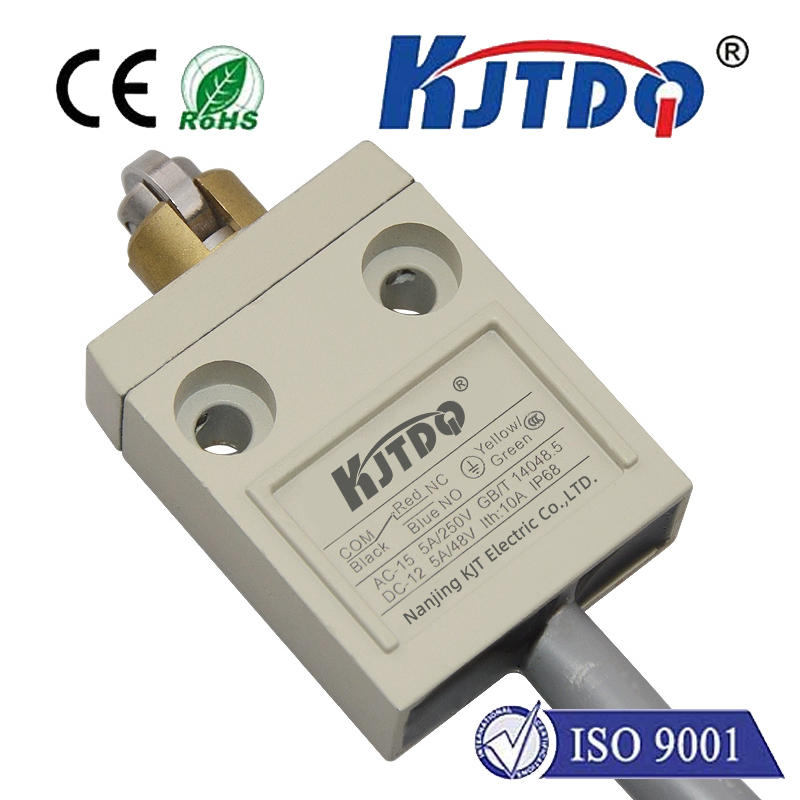
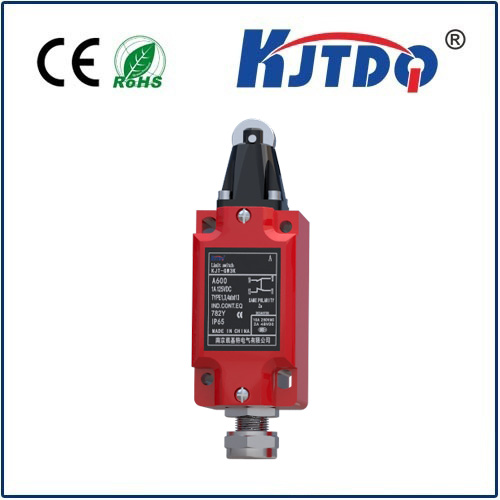
At its core, a limit switch is an electromechanical device that detects the presence or absence of an object, or monitors the limits of motion, converting this physical action into an electrical control signal. What distinguishes a Rotech limit switch is its meticulous construction. Engineered to withstand harsh industrial environments, these switches often feature robust metal housings, high-grade sealing against dust and moisture (commonly reaching IP67 ratings), and contact blocks designed for millions of reliable operations. The precision of the actuator mechanism—whether lever, roller, or plunger type—ensures consistent and repeatable triggering, a fundamental requirement for automated processes where a millimeter can make a significant difference.
The applications for Rotech limit switches are vast and varied. In automotive assembly lines, they provide end-of-travel detection for robotic arms, ensuring precise positioning for welding or part placement. Within packaging machinery, they control the cycle of operations, confirming that a product is in place before sealing or labeling commences. On material handling equipment like conveyor systems and overhead cranes, Rotech limit switches act as vital safety sentinels, preventing over-travel and potential collisions. They are also indispensable in CNC machine tools, defining the home position and travel limits of cutting heads to protect both the tool and the workpiece. This versatility stems from Rotech's commitment to offering a comprehensive portfolio, including compact models for space-constrained installations and heavy-duty variants for the most demanding tasks.
Choosing a Rotech limit switch translates into direct operational advantages. First and foremost is enhanced safety. By reliably halting machinery at predetermined points, these switches prevent equipment damage and protect personnel. This reliability also minimizes unplanned downtime, a critical factor in maintaining production throughput and profitability. The durability of Rotech components reduces the frequency of replacements, lowering long-term maintenance costs and inventory needs. Furthermore, their precision contributes to improved product quality by ensuring consistent machine cycles and positioning accuracy. For system integrators and plant engineers, the predictable performance and wide availability of Rotech limit switches simplify both initial design and ongoing maintenance planning.
Installation and integration are straightforward, but attention to detail is key. Proper mounting alignment is crucial to ensure the actuator is engaged correctly by the target object. Environmental factors must be considered; selecting the appropriate enclosure rating for the specific application—whether dealing with coolant splash, wood chips, or outdoor weather—is essential for long service life. Regular maintenance, though minimal, should include periodic checks for mechanical wear on the actuator and verification of electrical connection integrity. Understanding the electrical specifications, such as voltage, current rating (both AC and DC), and contact configuration (NO/NC), is fundamental for seamless integration into existing control panels and PLC systems.
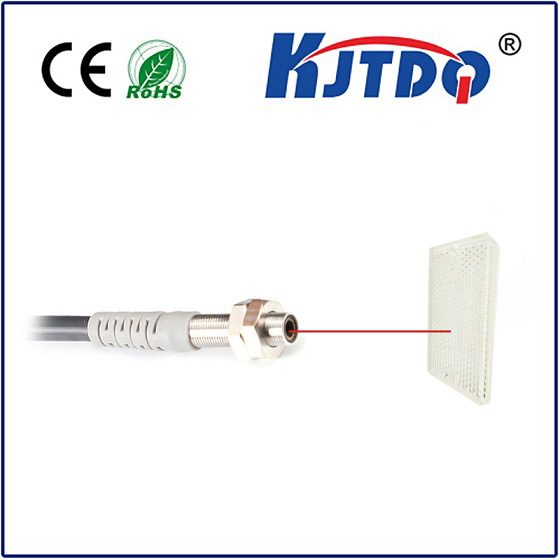
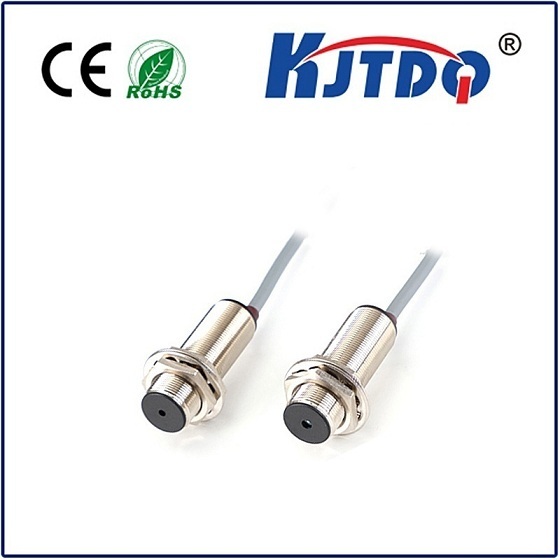
As industries evolve towards smarter, more connected operations, the role of the limit switch adapts. While newer technologies like proximity sensors offer contactless detection, the physical, positive-action feedback of a mechanical limit switch like those from Rotech remains irreplaceable in many scenarios, particularly for position verification and as a mechanical safety backup. The future likely holds increased integration of limit switches with IO-Link and other industrial communication protocols, allowing for diagnostic data like operation counts to be monitored remotely, enabling predictive maintenance strategies.
In conclusion, in the intricate dance of automated systems, the Rotech limit switch performs a silent yet vital role. It is a testament to the enduring value of robust, well-engineered electromechanical components in an increasingly digital age. By providing a reliable interface between the physical movement of machinery and the electronic control system, Rotech limit switches deliver the precision, safety, and durability that form the bedrock of efficient and profitable industrial automation. Specifying a Rotech limit switch is not merely a component selection; it is an investment in system resilience and operational peace of mind.