check

check

check

check

check

check
In the intricate world of industrial automation, precision and reliability are non-negotiable. Among the myriad components that ensure seamless operation, the limit switch stands as a fundamental guardian of mechanical boundaries. Specifically, the Sibass limit switch has carved a niche for itself, becoming a trusted name in sectors demanding unwavering accuracy and durability. This article delves into the core functionality, applications, and critical advantages of this pivotal device.
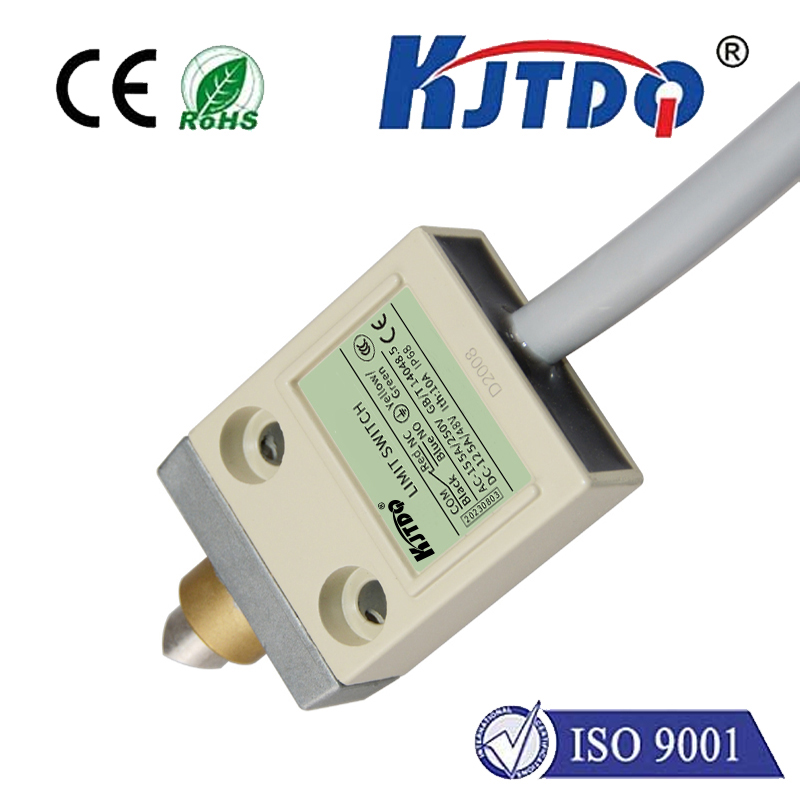
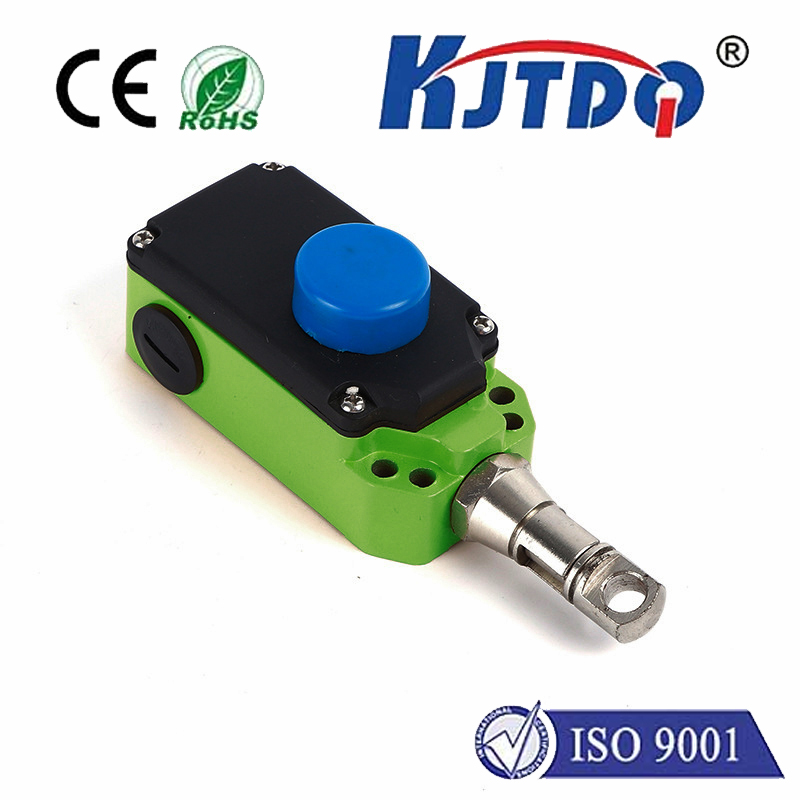
At its essence, a limit switch is an electromechanical device designed to detect the presence or absence of an object, or to monitor the limits of travel of a machine part. It acts as a sentinel, sending a control signal to halt or alter a machine's motion once a predetermined position is reached. The Sibass limit switch excels in this role, engineered to deliver consistent performance even in the most challenging industrial environments. Its robust construction typically involves a sealed housing that protects internal contacts from contaminants like dust, oil, and moisture—common adversaries in factories and processing plants.
The operational principle is straightforward yet brilliant. A physical actuator arm or lever on the switch is triggered by the movement of a machine part. This mechanical action internally opens or closes an electrical circuit. This signal is then instantly relayed to the machine's control system, such as a PLC (Programmable Logic Controller), initiating the next programmed command. This could be stopping a conveyor belt, reversing the direction of a lift, indexing a tool to a new position, or activating a safety interlock. The reliability of this signal transmission is where the Sibass limit switch distinguishes itself, offering high repeat accuracy to prevent over-travel and potential equipment damage.
Applications for the Sibass limit switch are vast and varied. In material handling systems, they are indispensable for positioning cranes, hoists, and automated guided vehicles (AGVs), ensuring loads are moved and placed with pinpoint accuracy. On packaging lines, these switches control the fill levels, detect product presence, and coordinate the movement of sealing arms. Within the automotive industry, they play a crucial role in robotic welding arms, assembly jigs, and press brakes, safeguarding both machinery and product quality. Furthermore, in heavy machinery and construction equipment, they serve as vital safety components, limiting the extension of booms or the rotation of platforms.
Choosing a Sibass limit switch brings several tangible benefits to an operation. First and foremost is enhanced safety. By definitively limiting machine movement, they prevent collisions and hazardous situations, protecting both personnel and capital assets. Secondly, they contribute significantly to operational efficiency. Precise positioning eliminates guesswork and manual adjustments, reducing cycle times and minimizing product waste due to misalignment. Their durability translates into reduced downtime and lower maintenance costs, as they are built to withstand millions of operational cycles, high vibration, and extreme temperatures. Finally, their simple design makes them easy to install, configure, and integrate into existing control architectures without requiring complex programming.
When selecting a limit switch for a specific application, engineers consider factors such as the actuator type (roller lever, plunger, wobble stick), electrical rating, housing material (often metal or high-grade plastic), and ingress protection (IP) rating. The Sibass range typically offers diverse options to meet these specific needs, ensuring a perfect match for the task at hand. Proper installation and regular inspection are key to maintaining optimal performance, checking for wear on the actuator arm and ensuring tight electrical connections.
In conclusion, the unassuming limit switch is a cornerstone of automated control, and the Sibass variant represents a blend of robust engineering and dependable performance. It is more than just a switch; it is a critical component that enforces boundaries, enables precision, and ensures the smooth, safe, and efficient flow of industrial processes. From controlling simple repetitive motions to enabling complex automated sequences, the Sibass limit switch proves that fundamental components are often the most vital in driving productivity and safeguarding investments in modern manufacturing and beyond.