check

check

check

check

check

check
In the construction and manufacturing industries, precision and safety are paramount. The bar bending machine, a critical tool for shaping reinforcement bars, relies heavily on advanced components to achieve consistent, high-quality results. Among these components, the limit switch plays a fundamentally important role. Specifically designed for bar bending machines, a robust limit switch system is the unsung hero that ensures operational accuracy, prevents mechanical overtravel, and safeguards both the equipment and the operator.
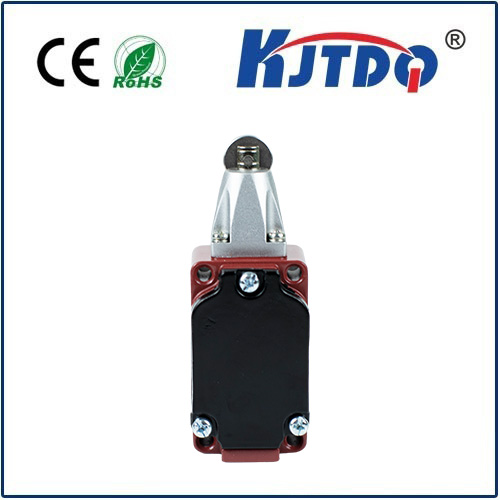
A limit switch in a bar bending machine is an electromechanical device that controls the machine's movement by defining its operational boundaries. It acts as a sentinel, signaling the control system when the bending arm or other moving parts have reached a predetermined position. This simple yet crucial function directly translates to precise bend angles every single time. Without a reliable limit switch, a machine might over-bend or under-bend rebar, leading to material waste, project delays, and compromised structural integrity in the final construction. The integration of a high-quality limit switch eliminates guesswork, enabling automated, repeatable bending cycles that meet strict engineering specifications.
Beyond precision, the primary mandate of a bar bending machine limit switch is safety. These machines exert tremendous force. An uncontrolled movement or failure to stop at the correct point can lead to catastrophic equipment damage or severe personal injury. Modern limit switches are engineered to cut power or reverse motion instantly upon activation, creating a fail-safe mechanism. This prevents the bending arm from exceeding its mechanical limits, which could damage gears, hydraulics, or the bending die itself. For operators, this means a significantly reduced risk of accidents caused by unexpected machine behavior, fostering a safer working environment.
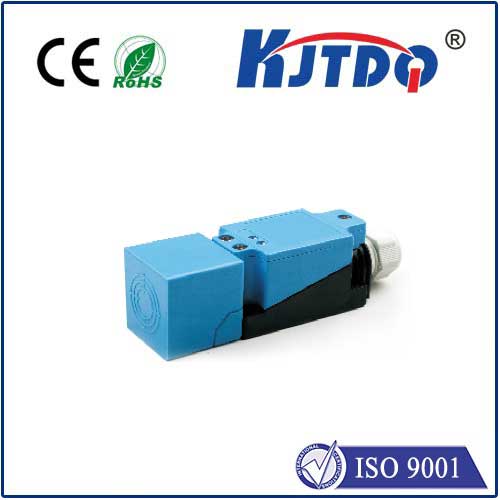
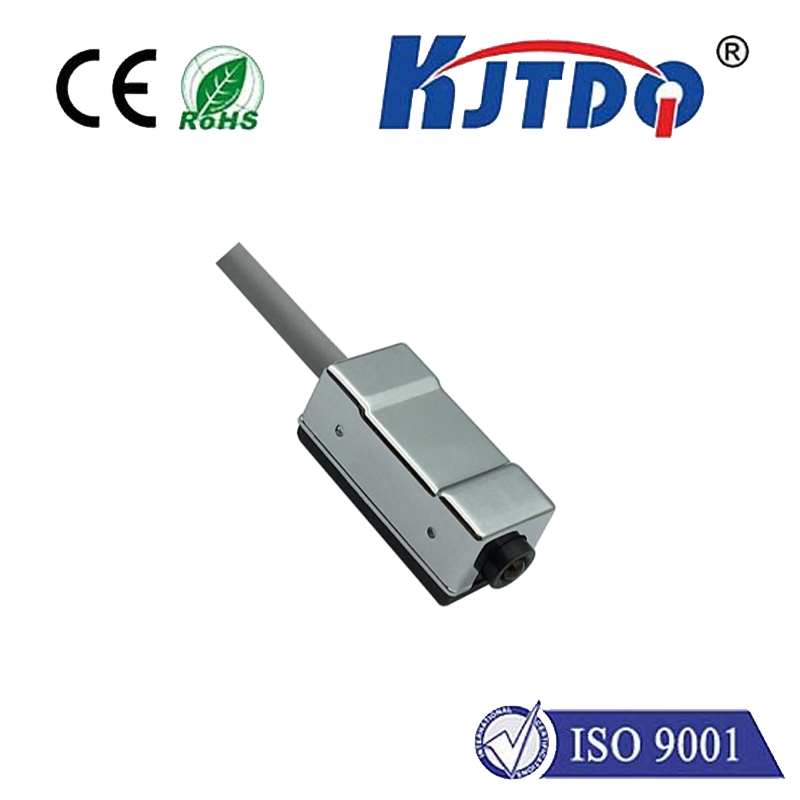
When selecting a limit switch for a bar bending machine, durability is non-negotiable. The industrial environment is harsh, filled with dust, metal shavings, vibrations, and occasional impacts. A KJTDQ-grade limit switch is built to withstand these challenges. Featuring robust housings, often from metal or high-impact polymers, and sealed to IP67 standards or higher, they resist ingress of contaminants. The internal switching mechanism is designed for millions of cycles, ensuring long-term reliability and minimizing downtime for replacements. This rugged construction ensures that the switch performs consistently, whether on a busy construction site or in a high-volume fabrication shop.
The evolution of limit switch technology has also brought about smarter integration. Contemporary switches can provide feedback to programmable logic controllers (PLCs), allowing for more sophisticated machine control and diagnostics. This connectivity enables predictive maintenance alerts, where potential issues can be flagged before they cause a breakdown. For bar bending operations, this means enhanced productivity and lower total cost of ownership. The machine can run longer with fewer interruptions, and maintenance can be scheduled proactively rather than reactively.
In conclusion, the limit switch is far more than a minor component in a bar bending machine; it is a critical determinant of performance, quality, and safety. Investing in a superior limit switch solution, such as those engineered under the KJTDQ standard, is an investment in operational excellence. It ensures that every bend is accurate, every cycle is safe, and every machine delivers on its promise of reliability and efficiency. For businesses looking to optimize their rebar processing, prioritizing this essential component is a strategic step toward achieving greater productivity and maintaining a competitive edge in a demanding industry.