check

check

check

check

check

check
In the intricate world of industrial automation, where machinery operates with relentless precision, the margin for error is virtually zero. A single misstep in movement can lead to catastrophic equipment damage, costly production halts, or even severe safety hazards. This is where a critical, yet often understated component plays a pivotal role: the cross limit switch. Far more than a simple on/off trigger, this device is a fundamental guardian of operational boundaries and system integrity.
A cross limit switch, also known as a safety limit switch or positional limit switch, is an electromechanical device designed to detect the presence or absence of an object or to monitor and enforce the limits of mechanical motion. Its primary function is to automatically interrupt the power supply or send a control signal to a machine's controller when a moving part reaches a predetermined point. The term "cross" often implies its application in scenarios involving intersecting axes of motion, such as in gantry systems, overhead cranes, or automated guided vehicles (AGVs), where it ensures movements do not exceed safe travel paths.
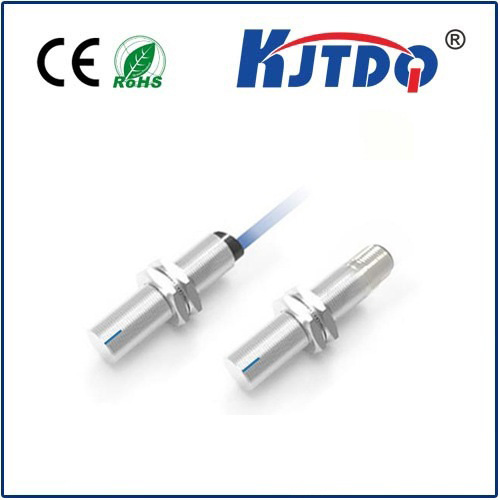
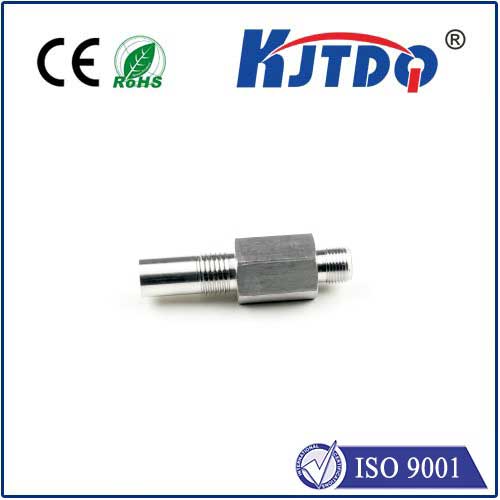
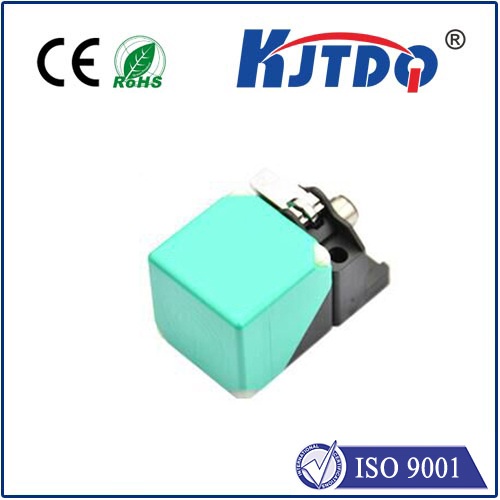
The operational principle is elegantly straightforward. Typically, the switch incorporates an actuator—a lever, roller, or plunger—physically contacted by the moving machine part. This contact triggers an internal mechanism that changes the state of electrical contacts within the switch. This state change is communicated to the programmable logic controller (PLC) or relay system, commanding the motor to stop or reverse direction, thereby preventing over-travel. Modern variants include non-contact types, such as inductive or magnetic proximity sensors, offering higher reliability and longevity in harsh environments by eliminating mechanical wear.
The implementation of robust cross limit switches delivers multifaceted benefits that directly impact the bottom line and workplace safety. Firstly, they are indispensable for asset protection. By preventing mechanical overextension, they shield expensive components like lead screws, ball screws, motors, and drive trains from impact damage and excessive stress. Secondly, they are a cornerstone of safety systems. In automated storage and retrieval systems (AS/RS) or robotic cells, these switches act as fail-safes, ensuring that equipment does not intrude into designated safe zones for personnel. Thirdly, they enhance process consistency and product quality. In applications like CNC machining or material handling, precise positional control ensured by limit switches guarantees repeatable operations, minimizing variances and rejects.
Selecting the appropriate cross limit switch requires careful consideration of several application-specific factors. The environmental conditions are paramount. Switches deployed in areas with dust, moisture, or chemical exposure must possess high Ingress Protection (IP) ratings. Industries like mining or food processing may need stainless steel housings for corrosion resistance and washdown capability. The required mechanical life—the number of operating cycles—varies greatly; a packaging line demands millions of cycles, while a heavy-duty crane might prioritize torque and durability over cycle count. Electrical specifications, including voltage, current rating (both for the load and the switch itself), and the type of output (e.g., Normally Open, Normally Closed) must align perfectly with the control circuit. Finally, the physical form factor and actuation method must suit the mechanical interface of the application.
Integration into a broader control architecture is key to maximizing effectiveness. Cross limit switches are rarely standalone devices. They feed critical data into the machine's safety interlock loop or control logic. Best practices involve using them in a redundant or dual-channel configuration within safety circuits to meet standards like ISO 13849-1 for Performance Levels (PL) or IEC 62061 for Safety Integrity Levels (SIL). Regular testing and maintenance are non-negotiable. Scheduled inspections should verify the switch's mounting integrity, actuator alignment, and cleanliness. The electrical operation should be tested to confirm it reliably sends the stop signal, as a failed switch can create a dangerous false sense of security.
From towering bridge cranes in shipyards to the delicate actuators in semiconductor fabrication tools, the cross limit switch performs its duty silently and reliably. It is a testament to the principle that the most critical components are often those that work to prevent failures rather than enable functions. In an era of advancing Industry 4.0 and smart manufacturing, these devices continue to evolve, integrating with IoT platforms for predictive maintenance, providing real-time diagnostic data, and forming an intelligent layer within the safety network. Their role remains constant: to define the invisible boundaries within which innovation and productivity can safely flourish, making them an unsung hero in the symphony of industrial automation.