check

check

check

check

check

check
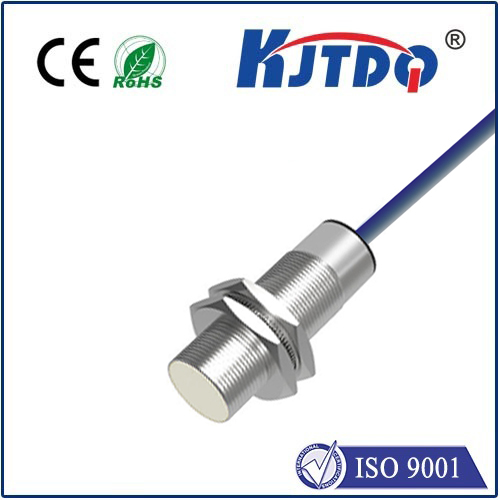
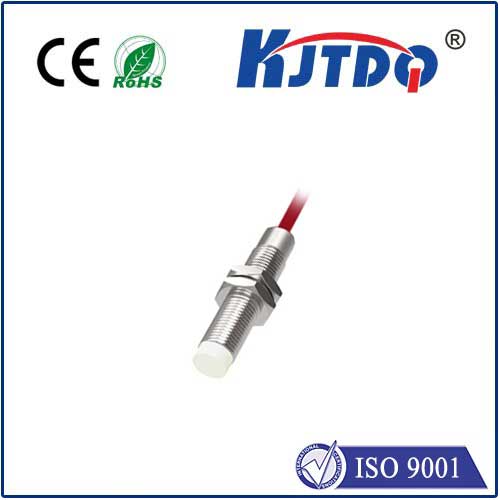
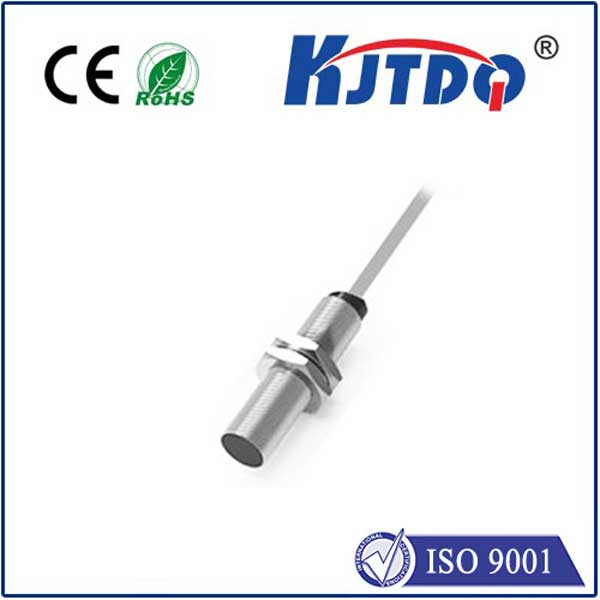
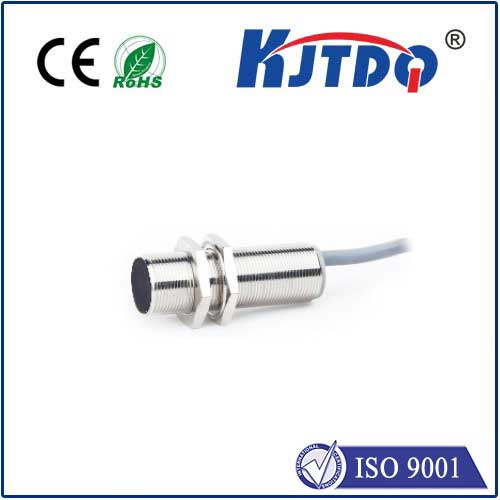
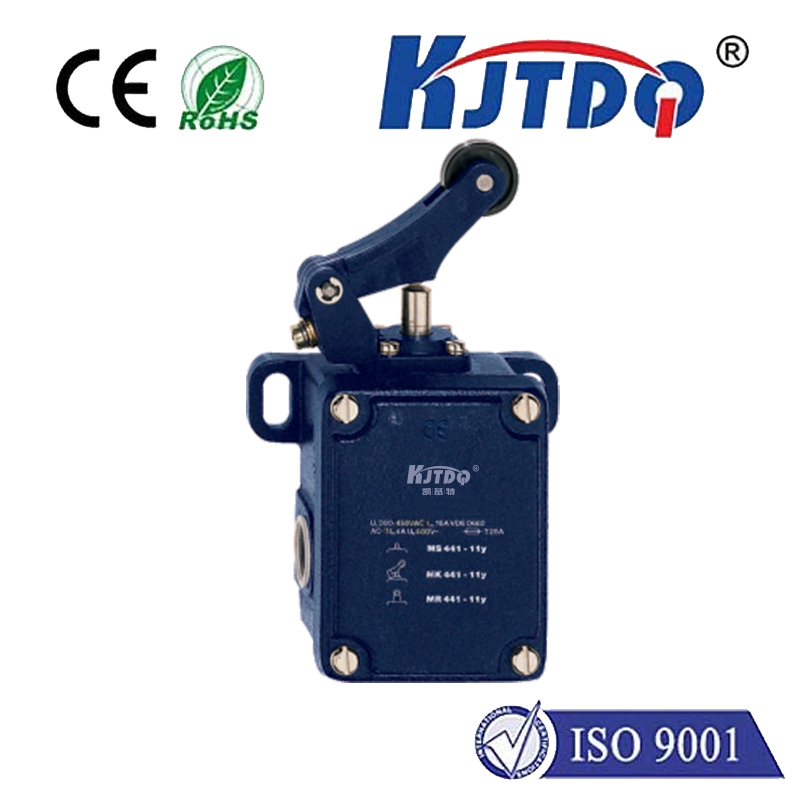
In the realm of industrial automation and control systems, the proxy limit switch stands as a critical component for ensuring operational safety, precision, and efficiency. Often referred to simply as a proximity limit switch or inductive limit switch, this device operates without physical contact, detecting the presence or absence of a target object within its sensing range. Unlike traditional mechanical limit switches that rely on physical actuation, proxy limit switches use electromagnetic fields, capacitive sensing, or ultrasonic technology to perform their function, leading to reduced wear and tear, higher reliability, and longer service life in demanding environments.
The core principle behind a proxy limit switch involves generating an oscillating electromagnetic field from its sensing face. When a metallic object—typically the target—enters this field, it induces eddy currents that dampen the oscillation. The switch's internal circuitry detects this change and triggers an output signal, which can be used to stop a machine, change its direction, or initiate a new sequence in a automated process. This non-contact nature makes it ideal for applications where dirt, moisture, or frequent operation would degrade mechanical switches, such as in packaging lines, robotic arms, conveyor systems, and CNC machinery.
Selecting the right proxy limit switch requires careful consideration of several technical parameters. The sensing distance, or operating range, is paramount; it must be sufficient to detect the target reliably without false triggers from nearby objects. Factors like the target material (ferrous vs. non-ferrous metals), size, and approach speed can affect performance. Environmental conditions also play a crucial role. Many industrial settings expose switches to extreme temperatures, vibrations, oils, or coolants. Therefore, models with robust housing ratings (e.g., IP67 for dust and water resistance) and constructed from materials like stainless steel or nickel-plated brass are preferred for durability.
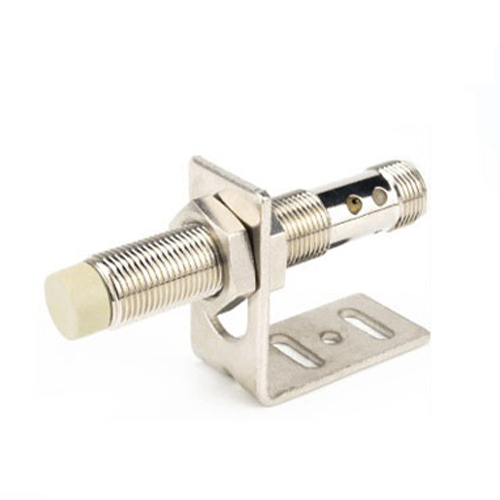
Installation and wiring are straightforward but demand attention to detail. Proper alignment between the switch and the target is essential for consistent detection. Most proxy limit switches come with LED indicators to show operational status, aiding in setup and troubleshooting. They typically offer various output configurations, including normally open (NO), normally closed (NC), or complementary contacts, compatible with programmable logic controllers (PLCs) and other control systems. Regular maintenance, though minimal, should involve checking for accumulated debris on the sensing face and verifying the electrical connections to prevent unexpected downtime.
The advantages of integrating proxy limit switches into automation systems are substantial. They enhance safety by providing reliable position feedback for moving parts, helping to prevent over-travel and potential collisions. Their high switching frequency and repeat accuracy contribute to improved process control and product quality. Moreover, their solid-state design minimizes mechanical failure points, leading to lower long-term maintenance costs compared to their mechanical counterparts. As Industry 4.0 advances, these switches are increasingly integrated with smart sensors and IoT platforms, enabling predictive maintenance and real-time monitoring of machine health.
In conclusion, the proxy limit switch is an indispensable element in modern industrial automation, offering a blend of reliability, precision, and durability. Its non-contact operation addresses the limitations of traditional switches, making it a preferred choice for engineers designing robust and efficient control systems. By understanding its working principles, selection criteria, and application best practices, businesses can optimize their operations, reduce downtime, and achieve higher levels of automation safety and productivity.