check

check

check

check

check

check
In the world of industrial automation, precision and reliability are non-negotiable. The Accord limit switch, a critical component in countless mechanical systems, stands as a testament to engineering excellence designed to meet these rigorous demands. This device serves as a fundamental control element, ensuring that machinery operates within defined parameters, thereby enhancing safety and efficiency across various applications.
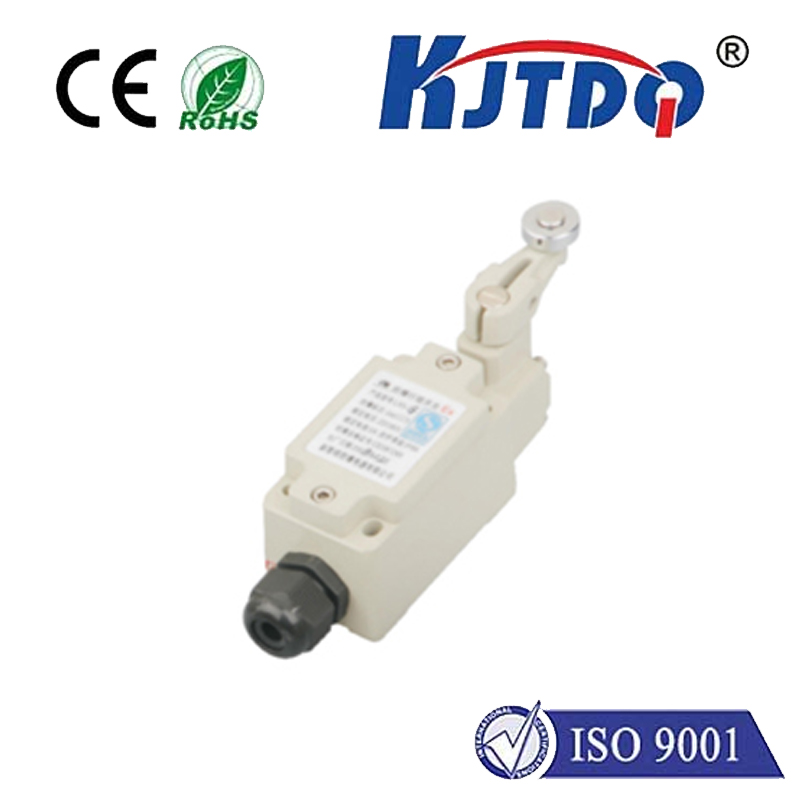
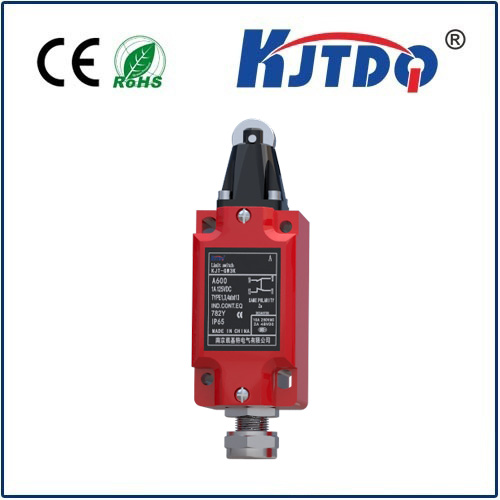
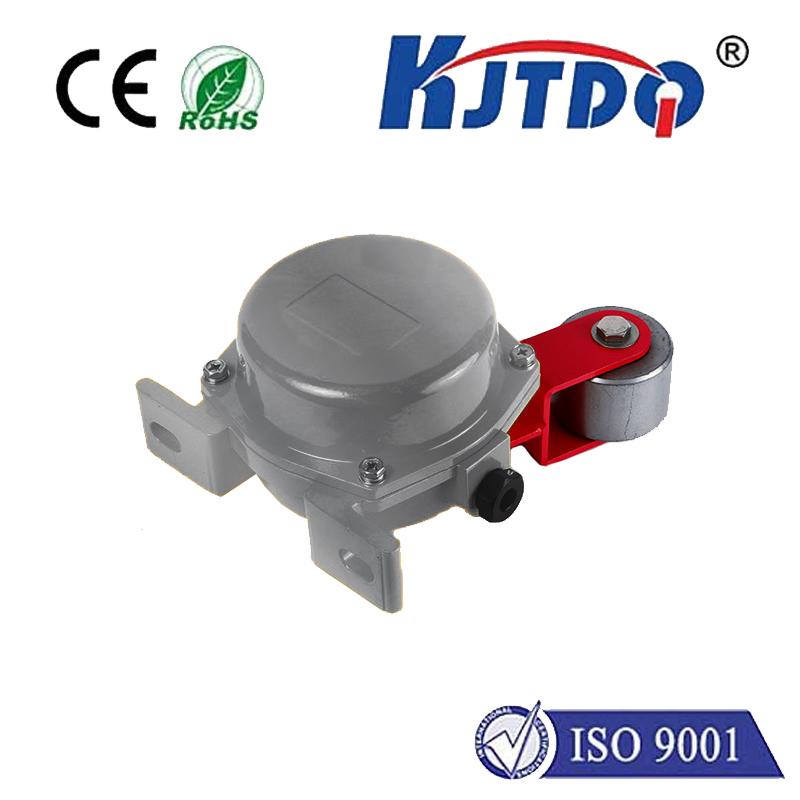
Limit switches like the Accord model are electromechanical devices that detect the presence or absence of an object, or monitor the position of equipment. They function by making or breaking an electrical circuit when a physical actuator is triggered by motion or contact. In industrial settings, this capability is indispensable for tasks such as sequencing, sorting, and safety interlocks. For instance, on conveyor belts, Accord limit switches can halt movement when items reach a specific point, preventing jams and optimizing workflow. Similarly, in robotic arms, they provide exact positioning feedback, allowing for repeatable and accurate operations.
The Accord limit switch distinguishes itself through robust construction and adaptability. Typically housed in durable materials like metal or high-grade plastics, it withstands harsh environments involving dust, moisture, and temperature fluctuations. Its design often includes various actuator types—such as lever, roller, or plunger—to suit different triggering mechanisms. This versatility makes it a go-to choice for industries ranging from manufacturing and packaging to automotive and aerospace. By integrating these switches, companies can reduce downtime, minimize human error, and comply with safety regulations, ultimately boosting productivity.
One key advantage of the Accord limit switch is its simplicity and ease of installation. Unlike more complex sensors, it requires minimal calibration and maintenance, offering a cost-effective solution for both small-scale and large-scale operations. Its direct contact-based operation ensures high reliability, as it is less prone to interference from environmental factors like light or sound that might affect optical or ultrasonic sensors. This reliability translates to consistent performance in critical processes, where even minor failures can lead to significant losses.
Looking ahead, the role of limit switches in automation continues to evolve. With advancements in smart manufacturing and the Internet of Things (IoT), devices like the Accord limit switch are being integrated into networked systems for real-time monitoring and data collection. This connectivity enables predictive maintenance, where potential issues are identified before they cause breakdowns, further enhancing operational efficiency. As industries embrace Industry 4.0, the demand for durable, precise components will only grow, solidifying the importance of reliable limit switches in modern automation landscapes.
In summary, the Accord limit switch is more than just a simple switch; it is a cornerstone of industrial control systems. By providing accurate detection and control, it supports seamless automation, safeguards equipment, and drives innovation. For engineers and operators seeking dependable performance, understanding and utilizing such components is essential to staying competitive in today's fast-paced industrial world.