check

check

check

check

check

check
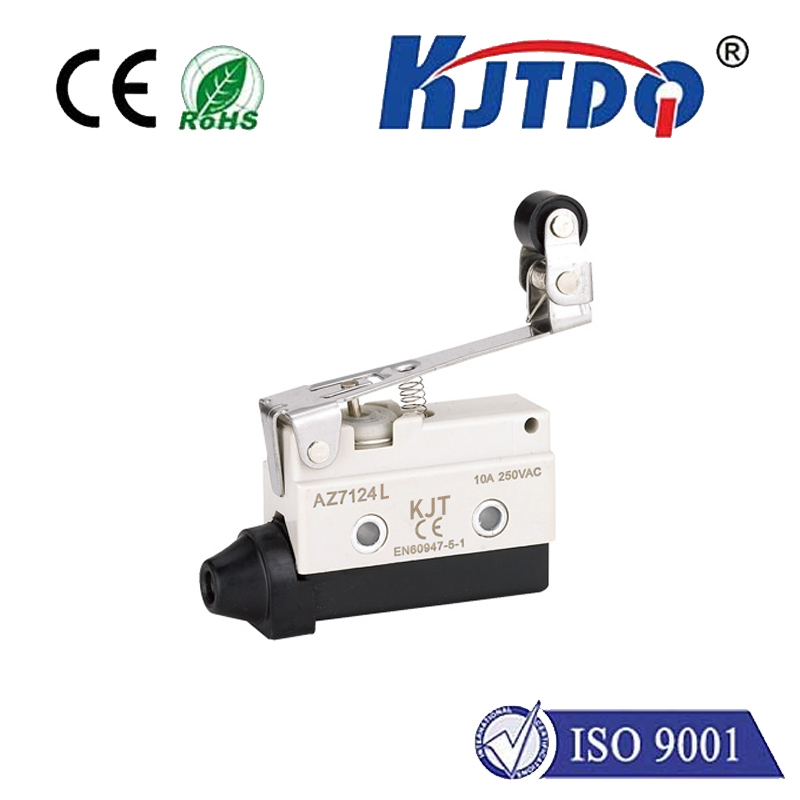
In the dynamic landscape of industrial automation, the limit switch with lever stands as a critical component for ensuring operational precision and safety. These devices are engineered to detect the presence or position of objects, triggering control actions that halt or alter machinery movement at predetermined points. The incorporation of a lever mechanism amplifies their functionality, offering enhanced sensitivity and adaptability across diverse applications.
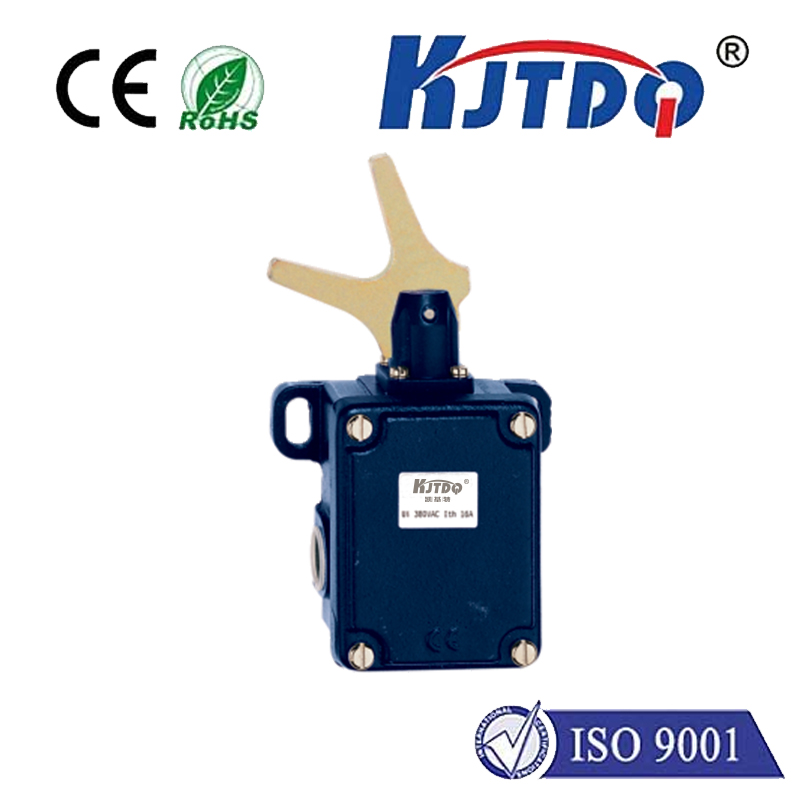
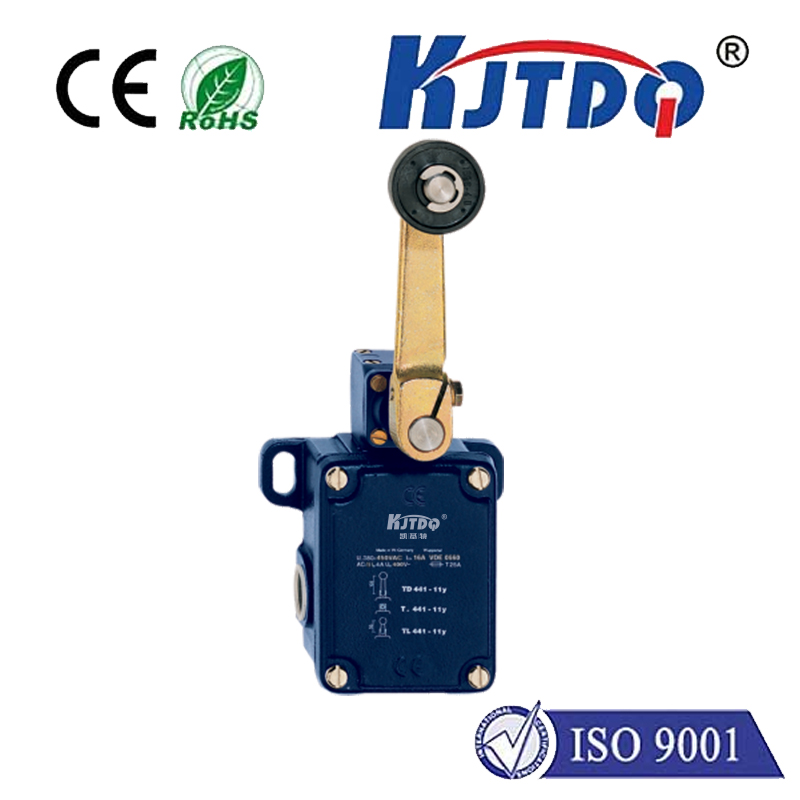
The fundamental design of a limit switch with lever involves a robust housing that protects internal electrical contacts from harsh environmental conditions such as dust, moisture, and extreme temperatures. The lever, often adjustable in length and angle, acts as an actuator. When an object makes contact with the lever, it pivots to actuate the switch, sending an electrical signal to the control system. This simple yet effective mechanism allows for reliable detection in scenarios where direct contact is feasible, such as in conveyor systems, packaging machinery, and robotic arms.
One of the primary advantages of using a limit switch with lever is its versatility. Levers can be customized with various tips—including roller, fork, or paddle styles—to suit specific operational needs. For instance, roller-tipped levers are ideal for high-speed applications where smooth engagement is required, reducing wear and tear. This adaptability ensures that the switch can be integrated into complex setups without compromising performance. Moreover, the mechanical nature of these switches provides a fail-safe detection method that is often more dependable than non-contact sensors in environments with electrical interference or particulate contamination.
In practice, limit switches with levers contribute significantly to system safety by preventing overtravel and misalignment. In automated assembly lines, they ensure that components are correctly positioned before subsequent processes begin, minimizing errors and reducing downtime. Their durability, often rated for millions of cycles, makes them a cost-effective solution for long-term industrial use. Regular maintenance, such as checking lever alignment and contact integrity, further extends their lifespan and reliability.
As industries evolve towards smarter manufacturing, the integration of limit switches with levers into IoT-enabled systems is becoming more prevalent. These switches can be paired with monitoring devices to provide real-time data on machine performance, facilitating predictive maintenance and optimizing productivity. Despite advancements in sensor technology, the tactile feedback and straightforward installation of lever-actuated limit switches continue to make them a preferred choice for engineers seeking robust and straightforward solutions.
Ultimately, the limit switch with lever exemplifies how traditional mechanical components remain indispensable in modern automation. By offering precise control, enhanced safety, and adaptable design, it supports the seamless operation of machinery across sectors from automotive to food processing. As demand for efficiency and reliability grows, these switches will undoubtedly continue to play a pivotal role in industrial innovation.