check

check

check

check

check

check
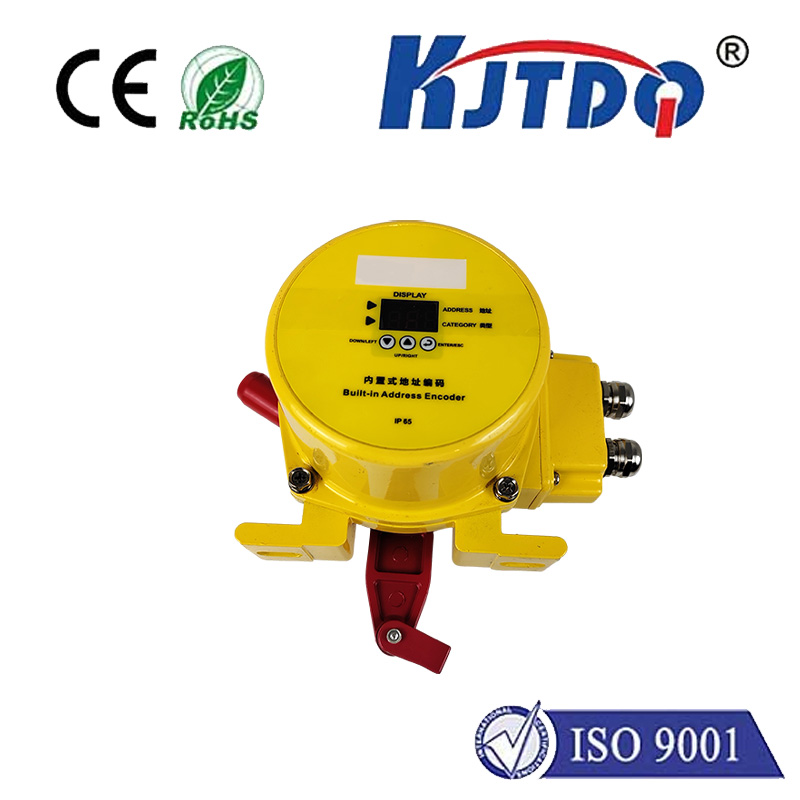
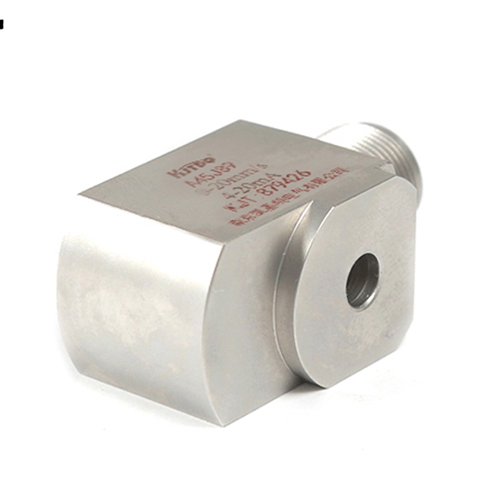
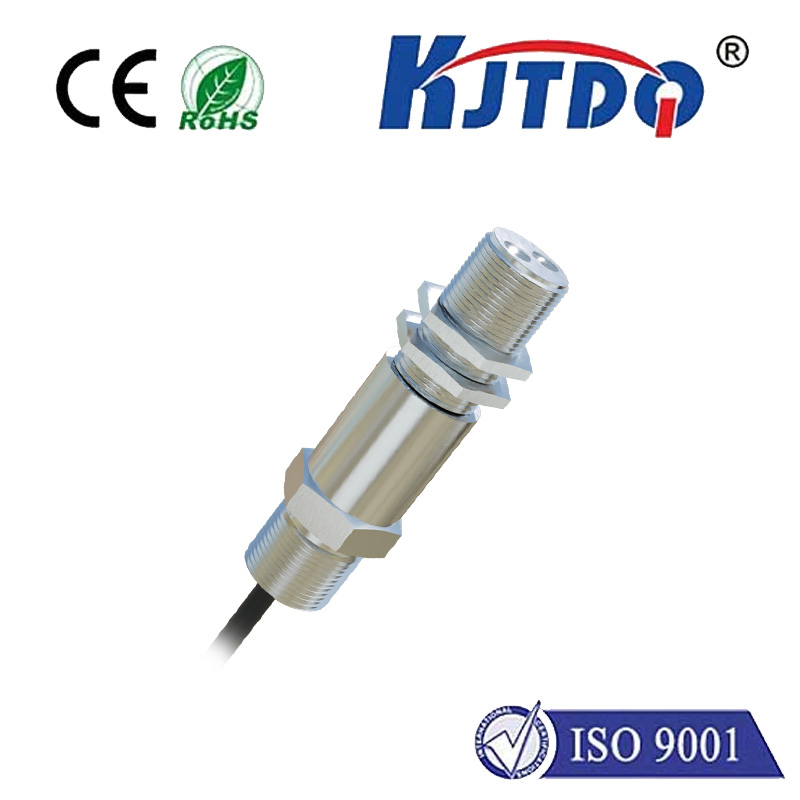
In industrial automation and motion control systems, the precision and reliability of components are paramount. Among these critical components, the Speed O Control Rotary Limit Switch stands out as an essential device for ensuring safe and accurate operation in various applications, from manufacturing assembly lines to heavy machinery. This switch is designed to monitor and control the rotational position or speed of a shaft, providing a reliable means to initiate or halt a process at predetermined points.
The fundamental principle behind a rotary limit switch is straightforward yet ingenious. It is mechanically linked to a rotating shaft. As the shaft turns, it actuates the switch at specific angular positions. This action can send electrical signals to a control system, triggering events such as stopping a motor, changing direction, activating an alarm, or sequencing the next stage in an operation. The "Speed O Control" variant emphasizes enhanced performance in monitoring rotational speed alongside positional limits, offering a dual layer of control and safety.
What sets a high-quality rotary limit switch apart is its construction and design features. Durable housing, often made from robust materials like die-cast aluminum or stainless steel, protects internal components from harsh industrial environments, including dust, moisture, oil, and extreme temperatures. The internal switching mechanism is precision-engineered for long life and minimal contact bounce, ensuring consistent signal transmission. Many models offer adjustable cams or levers, allowing engineers to fine-tune the activation points without replacing the entire unit, thus providing flexibility for different applications.
The applications for Speed O Control Rotary Limit Switches are vast and varied. In crane and hoist systems, they prevent over-travel by cutting power when the hook reaches its upper or lower limit. In conveyor systems, they ensure packages are correctly positioned for sorting or processing. In rotary indexing tables, they control the precise stopping points for machining operations. In wind turbines, they can monitor blade pitch or yaw position. The integration of speed monitoring adds another dimension, enabling the detection of overspeed or underspeed conditions that could indicate mechanical failure or process deviation, thereby preventing costly downtime or accidents.
When selecting a rotary limit switch for a specific application, several factors must be considered. The operating speed range, torque requirements, electrical rating (voltage and current), environmental protection rating (IP or NEMA classification), and output type (mechanical contacts or solid-state) are all crucial. The Speed O Control models are particularly valued in scenarios where both the exact position and the rotational velocity of equipment are critical to the process safety and quality. Proper installation and periodic maintenance are also key to longevity. This includes ensuring secure mechanical coupling, checking for wear on actuators, and verifying electrical connections.
Advancements in technology have led to more sophisticated versions of these devices. Some now incorporate proximity sensors or encoders for non-contact operation, reducing mechanical wear. Others feature digital displays for easier setup and diagnostics or offer communication capabilities via industrial networks like PROFIBUS or IO-Link for integration into broader Industrial Internet of Things (IIoT) systems. Despite these innovations, the core function remains: providing a dependable, often fail-safe, method to control mechanical motion within set boundaries.
In conclusion, the Speed O Control Rotary Limit Switch is more than just a simple switch; it is a vital guardian of industrial processes. Its role in ensuring operational safety, protecting expensive machinery, and maintaining product quality cannot be overstated. By offering precise control over both rotation limits and speed, it provides engineers with a versatile and reliable tool to build safer, more efficient, and more productive automated systems. For any application involving rotating machinery where safety and precision are non-negotiable, specifying a high-quality rotary limit switch is a fundamental engineering decision.