check

check

check

check

check

check
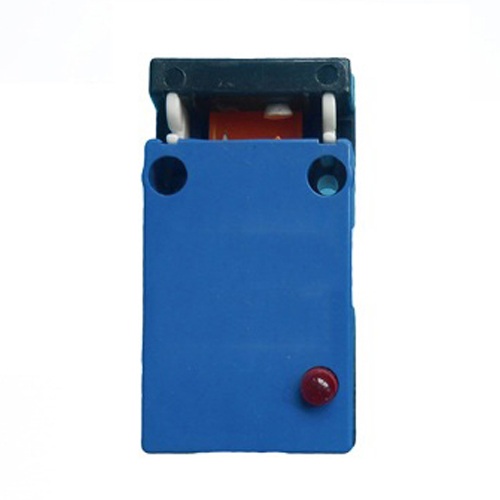
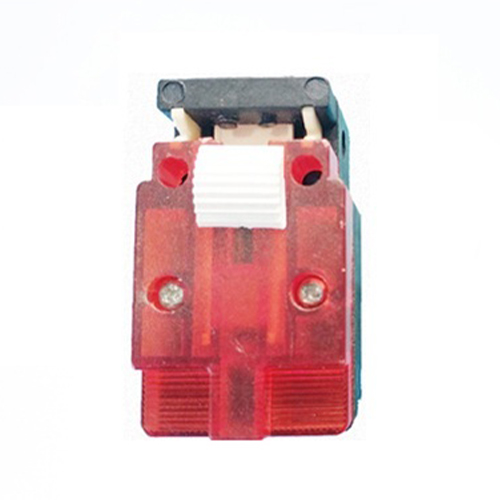
In the realm of home heating systems, safety and reliability are paramount. A critical component ensuring these standards is the furnace limit switch, a device designed to monitor temperature and prevent hazardous conditions. Texas Instruments, a leader in semiconductor and electronic component manufacturing, produces high-quality limit switches that are integral to modern furnace control systems. This article delves into the function, importance, and benefits of the Texas Instruments furnace limit switch, providing homeowners and HVAC professionals with essential knowledge.
The primary role of a furnace limit switch is to act as a safety guardian. It is typically located within the furnace plenum, the chamber that collects heated air before it is distributed throughout the ductwork. The switch continuously monitors the plenum's air temperature. Under normal operation, when the thermostat calls for heat, the furnace burner ignites, and the blower fan starts after a brief delay to push warm air into the home. The limit switch allows this process to proceed smoothly.
However, if a problem arises—such as a clogged air filter, malfunctioning blower motor, or blocked duct—the plenum temperature can rise to dangerous levels. This is where the Texas Instruments limit switch proves its worth. It is calibrated to open or "trip" at a specific high-temperature setpoint, usually between 90°F and 150°F above the desired output temperature, depending on the furnace model. When tripped, it interrupts the electrical circuit to the gas valve or burner, shutting off the heat source to prevent overheating. This action safeguards against potential fire hazards, damage to heat exchangers, and the release of harmful carbon monoxide.
Beyond its safety function, the limit switch also plays a key role in system efficiency and component longevity. By preventing excessive temperatures, it reduces thermal stress on the furnace's internal parts, including the heat exchanger. A cracked heat exchanger is a serious and costly issue, as it can leak combustion gases into the home's air supply. The precision engineering of Texas Instruments components ensures accurate temperature sensing and reliable switching, contributing to consistent furnace performance and extended equipment life.
Texas Instruments furnace limit switches are known for their durability, accuracy, and integration capabilities. They often incorporate advanced materials and solid-state technology for faster response times and greater reliability compared to older mechanical switches. For HVAC technicians, these switches are valued for their compatibility with various control boards and straightforward diagnostic features. A common symptom of a faulty limit switch is a furnace that repeatedly cycles on and off (short cycling) or fails to start at all. Troubleshooting often involves checking for obstructions in airflow and testing the switch for continuity with a multimeter.
Regular maintenance is crucial for ensuring the limit switch operates correctly. Homeowners should replace air filters every 1-3 months, keep vents unobstructed, and schedule annual professional furnace inspections. A technician will verify that the limit switch is clean, properly positioned, and functioning within its specified parameters. Attempting to bypass a limit switch is extremely dangerous and should never be done; it is a vital safety device, not a mere inconvenience.
In conclusion, the Texas Instruments furnace limit switch is a small but indispensable component within your heating system. It silently performs the dual duty of protecting your home from overheating risks while promoting efficient furnace operation. Understanding its function underscores the importance of regular HVAC maintenance and the value of using high-quality, reliable components from trusted manufacturers like Texas Instruments. By ensuring this switch is in optimal condition, you invest in the safety, efficiency, and durability of your home's heating system for years to come.