check

check

check

check

check

check
In the evolving landscape of building automation and security, the humble plunger switch has emerged as a critical, yet often overlooked, component. Specifically designed for door applications, plunger switches for doors provide a reliable and straightforward method for monitoring the status of a door—whether it is open or closed. This binary information is the foundational data point for a multitude of advanced systems, from basic alarm circuits to sophisticated integrated building management platforms.
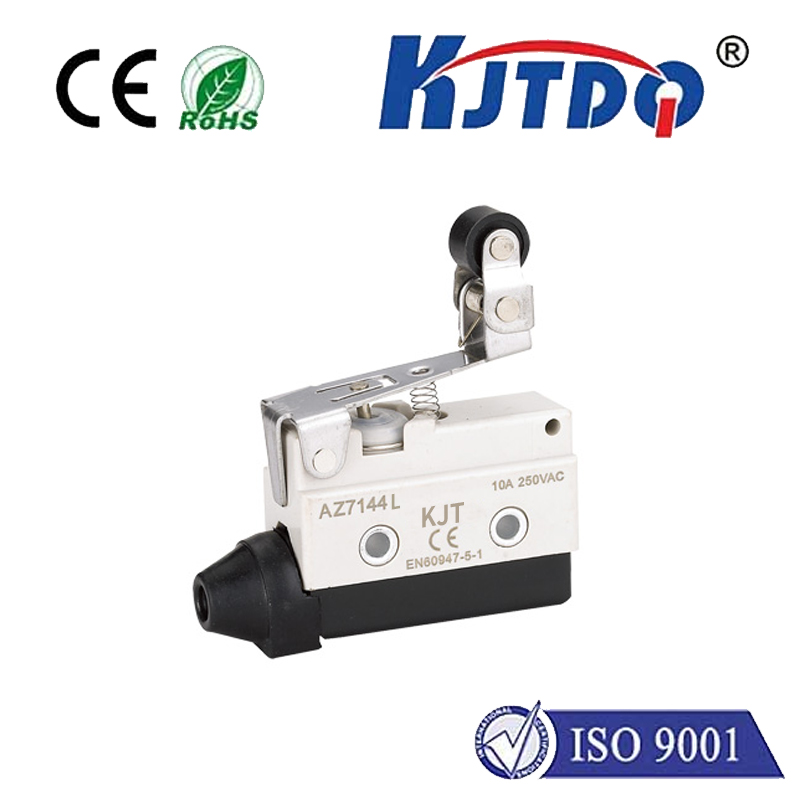
At its core, a door plunger switch is a type of limit switch. It consists of a spring-loaded actuator (the plunger) that, when depressed by a closed door, changes the state of its internal electrical contacts. When the door opens, the plunger extends, triggering a change in the circuit. This simple mechanical action translates into an electrical signal that can be interpreted by various controllers. The durability of these switches is paramount, as they undergo constant mechanical cycling. High-quality plunger switches are built with robust materials like metal housings and durable actuators to withstand daily use in commercial, industrial, and residential settings.
The applications for plunger switches on doors are vast and integral to modern operations. In security systems, they are indispensable. A door equipped with a plunger switch can instantly trigger an alarm if opened during unauthorized hours or if a secured door is breached. This real-time monitoring forms the first line of defense for perimeter security. Beyond alarms, these switches are essential for access control systems, ensuring that doors are properly closed after entry or exit, maintaining the integrity of controlled zones.
Energy management is another significant area where these switches deliver immediate value. In climate-controlled environments, an open door represents a substantial waste of energy. Plunger switches connected to HVAC systems can signal when a door is left ajar, allowing the system to adjust or alert facility managers. This is particularly crucial in warehouses, retail spaces, and server rooms, where maintaining a specific temperature is both economically and functionally critical.
Furthermore, the rise of smart buildings and the Internet of Things (IoT) has amplified the importance of reliable door status sensors. Plunger switches provide the essential physical interface between the digital management system and the real-world state of the building. Data from these switches can be used to analyze traffic patterns, optimize cleaning schedules based on room occupancy, and ensure compliance with safety regulations by verifying that fire doors are closed when not in use. In automated lighting systems, a plunger switch can signal a room to turn lights on or off based on door activity, contributing to further energy savings.
When selecting plunger switches for a project, several factors must be considered. The mechanical design, including the plunger's travel distance and actuation force, must match the door's movement and frame alignment. Environmental ratings are crucial; switches used in outdoor or harsh indoor environments may require IP67 or higher ratings for dust and water resistance. The electrical specifications, such as voltage, current rating, and connection type (e.g., SPDT or SPST), must be compatible with the control panel. Finally, ease of installation and adjustability are practical concerns for contractors, with many modern switches offering versatile mounting options and visible status indicators.
Installation typically involves mounting the switch body on the door frame and ensuring the door itself contacts the plunger when closed. Proper alignment is key to consistent operation and longevity. Regular maintenance, though minimal, involves checking for physical damage, ensuring the plunger moves freely, and verifying electrical continuity.
In conclusion, plunger switches for doors are far more than simple mechanical devices. They are the silent sentinels and data gatherers at every portal. By converting the physical act of a door opening or closing into a actionable electronic signal, they enable enhanced security, intelligent energy conservation, and deeper building automation. Their reliability, simplicity, and versatility make them a fundamental component in constructing safer, smarter, and more efficient environments. As building systems continue to evolve towards greater connectivity and intelligence, the dependable data provided by these switches will remain invaluable.