check

check

check

check

check

check
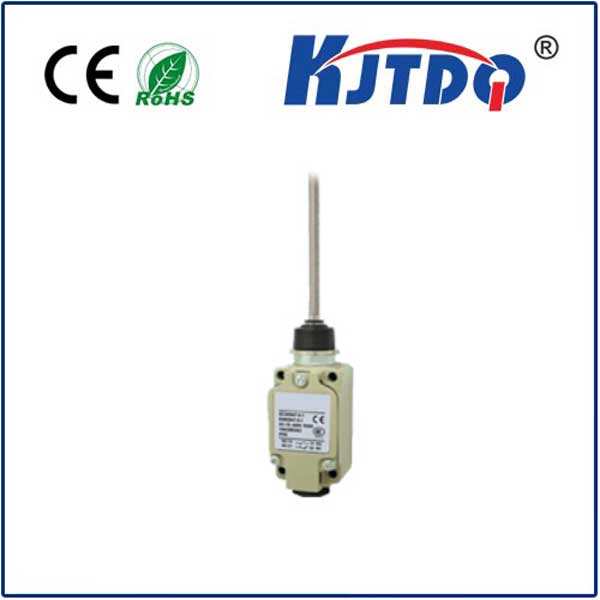
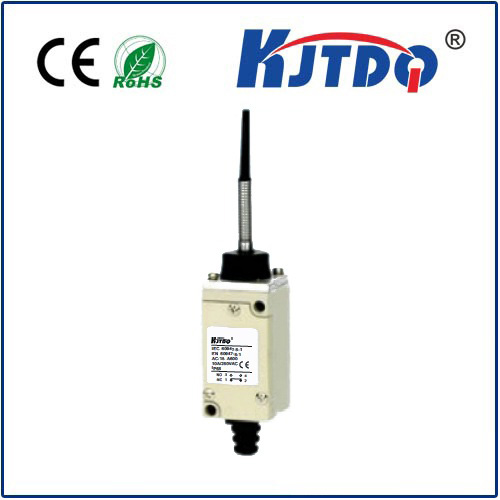
In the realm of industrial automation and machinery control, precision, reliability, and safety are non-negotiable. The KJTDQ HH12ZB250 limit switch stands as a critical component designed to meet these rigorous demands. This device is engineered to detect the presence or position of an object, effectively controlling machinery movement and preventing operational overruns that could lead to equipment damage or safety hazards.
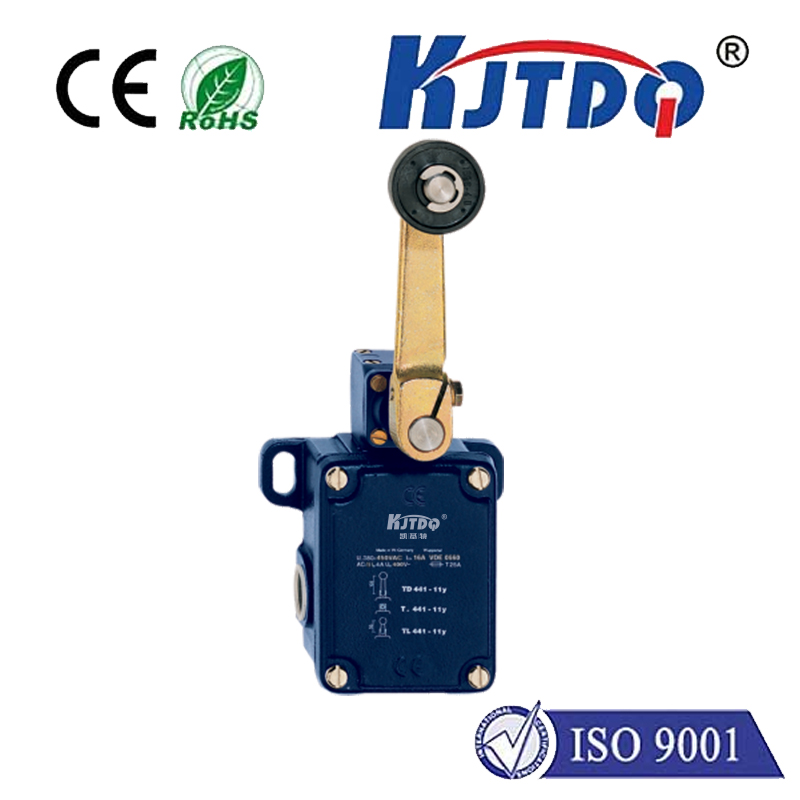
The HH12ZB250 model is a robust mechanical limit switch, typically featuring a rotary lever actuator. Its construction is tailored for durability in challenging industrial environments. The housing is often made from high-grade materials like zinc alloy or reinforced plastic, providing resistance against dust, moisture, and mechanical impact. The "250" designation frequently relates to its electrical specifications, such as a common rating of 250V AC, making it suitable for a wide range of control circuit applications. Its primary function is to act as a sentinel, sending a definitive signal to a control system when a machine part reaches a predetermined limit, thereby initiating a stop, reversal, or sequence change.
The operational principle is straightforward yet vital. When the lever arm of the switch is displaced by a moving part—such as a gate, conveyor, or robotic arm—it triggers an internal mechanism. This action changes the state of the electrical contacts within the switch (from open to closed or vice-versa). This signal is the fundamental language for programmable logic controllers (PLCs) and other control systems, forming the backbone of automated safety interlocks and sequence control.
Implementing the KJTDQ HH12ZB250 offers tangible benefits for facility operations. First and foremost is enhanced safety. By physically limiting the travel of machinery, it prevents collisions and over-travel incidents that could injure personnel or damage expensive assets. This proactive safety measure is often a cornerstone of compliance with industrial safety standards. Secondly, it contributes to operational consistency and product quality. In processes like packaging or assembly, precise positioning ensured by limit switches guarantees repeatable accuracy. Furthermore, its mechanical simplicity often translates to easier installation, maintenance, and troubleshooting compared to more complex proximity sensors, potentially reducing downtime.
Typical applications for this type of limit switch are extensive across industries. In material handling, they are used to control the endpoints of conveyor belts or the positioning of automated guided vehicles (AGVs). In manufacturing, they can define the start and end points of a machining stroke or the open/close status of heavy doors and guards. They are also prevalent in elevator systems to control leveling and door operations. The HH12ZB250's design, often featuring a clearly visible actuator and standard mounting holes, allows for flexible integration into these diverse systems.
Selecting the right limit switch involves careful consideration of several factors. The operating environment is paramount; one must assess the level of exposure to contaminants like oil, coolants, or metallic dust. The required electrical ratings, including voltage, current, and contact configuration (e.g., normally open, normally closed), must match the control circuit. Mechanical specifications such as actuator type (lever, roller lever, plunger), lever length, and operating force are chosen based on the physical interaction with the target object. The required switching frequency and expected mechanical life (often rated in millions of cycles) should align with the application's duty cycle to ensure long-term reliability.
For optimal performance and longevity of the KJTDQ HH12ZB250, proper installation and routine maintenance are essential. It should be mounted securely to prevent vibration-induced misalignment. The actuator must be positioned so that the target object engages it fully and consistently without causing excessive force or shock. Regular inspections should check for physical damage to the housing or actuator, signs of wear on the moving parts, and the integrity of electrical connections. Keeping the actuator arm and roller clean from debris ensures smooth operation and prevents false triggering.
In conclusion, the KJTDQ HH12ZB250 limit switch is more than just a simple mechanical component; it is a fundamental safeguard and control element in automated systems. Its role in ensuring operational boundaries are respected is indispensable for modern industrial safety and efficiency. By providing a reliable, physical interface between moving machinery and electronic control systems, it helps create a work environment that is both productive and protected. When integrated thoughtfully into machine design and maintenance schedules, such devices form a reliable first line of defense, contributing significantly to the seamless and secure operation of industrial equipment worldwide.