check

check

check

check

check

check
In the world of computer numerical control (CNC) machining, where microns matter and repeatability is king, the unsung hero ensuring operational safety and precision is often the CNC limit switch. Far from being a simple on/off component, a CNC limit switch is a critical sensor that defines the physical boundaries of a machine's movement, preventing catastrophic collisions and enabling the high-accuracy positioning that modern manufacturing demands.
At its core, a CNC limit switch is an electromechanical device strategically mounted at the extremities of a machine tool's axes—typically the X, Y, and Z directions. Its primary function is to detect the presence or absence of an object, in this case, the machine's moving parts like the gantry or spindle carrier. When the moving part contacts the switch's actuator (a lever, roller, or plunger), it triggers an electrical signal. This signal is instantly relayed to the machine's controller, which can execute a pre-programmed action. The most crucial action is an immediate halt to prevent the axis from traveling beyond its mechanical limits, a scenario that could cause severe damage to the machine, the tool, and the workpiece.
The importance of these switches extends beyond mere crash protection. They are fundamental to establishing machine "home" positions. During a homing sequence, the machine moves each axis until it triggers the limit switch. This provides a consistent, repeatable reference point from which all other coordinates are calculated. Without a reliable limit switch, the machine would have no absolute starting point, leading to cumulative positioning errors and scrapped parts. Furthermore, they can be used as interlock sensors for safety doors, ensuring the machine cannot operate when access panels are open, protecting operators from harm.
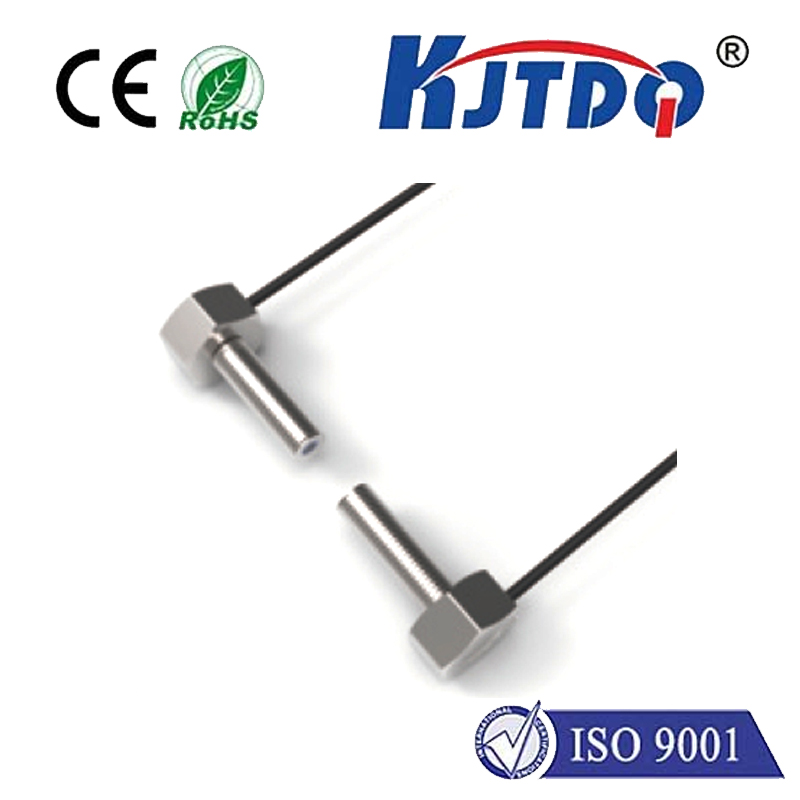
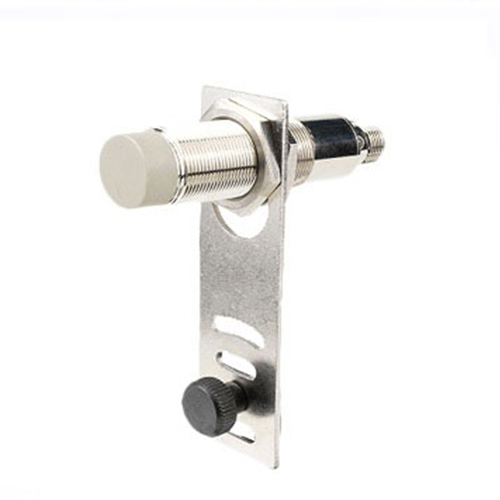
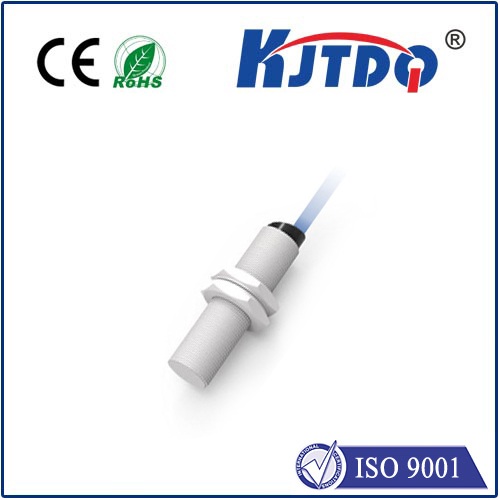
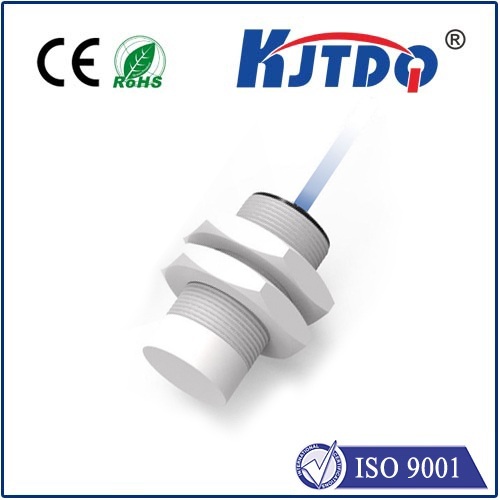
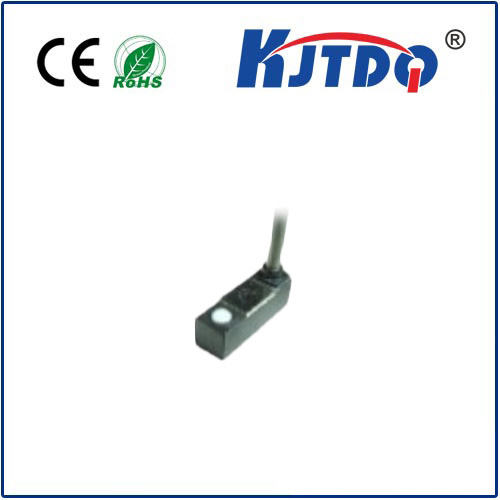
Several types of limit switches are employed in CNC environments, each suited to specific needs. Mechanical limit switches, with their robust physical actuators, are common for their durability and straightforward operation. Proximity sensors, which detect metal objects without physical contact using magnetic or inductive fields, offer exceptional longevity and are ideal for high-speed or dirty environments where mechanical wear is a concern. Optical limit switches, using infrared beams, provide very high precision and fast response but may require a cleaner operating area.
Selecting the right CNC limit switch involves careful consideration. The operating environment is paramount; switches in machining centers are exposed to coolant, metal chips, oil, and vibration. A high Ingress Protection (IP) rating is essential to keep contaminants out. Durability, measured in mechanical life (actuations) and electrical life (load cycles), must match the machine's duty cycle. The repeat accuracy—how consistently the switch triggers at the exact same point—directly impacts machining precision. Finally, the electrical specifications, such as voltage, current rating, and output type (e.g., Normally Open or Normally Closed), must be compatible with the machine's control system.
Even the best limit switch requires proper installation and routine maintenance. Mounting must be secure to prevent shifting, which would alter the machine's travel limits. The actuator must be aligned correctly to ensure positive engagement. Regular inspection is necessary to check for physical damage, buildup of debris on the actuator, and signs of fluid ingress. A failing limit switch may exhibit symptoms like inconsistent homing, failure to trigger, or false triggers, all of which necessitate immediate attention to avoid costly downtime or damage.
In essence, the CNC limit switch is a fundamental pillar of automated manufacturing. It is the guardian of the machine's physical integrity and a cornerstone of its precision. By reliably defining boundaries and providing critical positional feedback, these small but mighty components enable CNC machines to perform complex, high-tolerance machining operations safely and consistently hour after hour. Investing in high-quality limit switches and maintaining them diligently is not an option but a necessity for any workshop serious about productivity, part quality, and operator safety.