check

check

check

check

check

check
In the intricate world of industrial automation, precision and reliability are non-negotiable. Among the myriad components that ensure seamless operation, the auxiliary limit switch, often integrated into systems by brands like KJTDQ, plays a pivotal yet sometimes understated role. This device is far more than a simple on/off mechanism; it is a critical sentinel for positional control and safety.
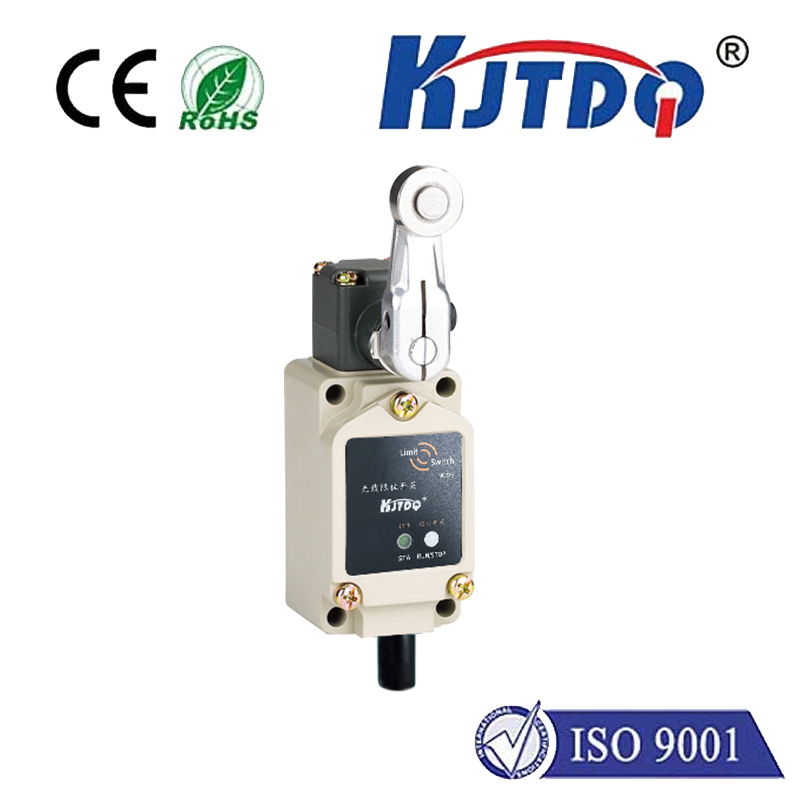
An auxiliary limit switch, or aux limit switch, is a type of sensor used to detect the presence or absence of an object, or to monitor the limits of mechanical motion. It acts as a secondary or backup control, providing an additional layer of verification and safety beyond primary sensors or control systems. In practice, when a machine part, such as a robotic arm, conveyor gate, or elevator car, reaches a predetermined point in its travel, the actuator of the limit switch is triggered. This action changes the state of its electrical contacts—either opening or closing a circuit—sending a definitive signal to the programmable logic controller (PLC). This signal can halt movement, initiate a subsequent sequence, or trigger an alarm, preventing over-travel, collisions, or equipment damage.
The integration of a high-quality aux limit switch, such as those engineered under the KJTDQ specification, brings several tangible benefits to an automated environment. First and foremost is enhanced safety. By providing a physical, electromechanical backup to electronic sensors, these switches offer a fail-safe mechanism. In scenarios where primary sensors might fail due to environmental factors like dust, moisture, or electromagnetic interference, the robust construction of a limit switch ensures a reliable signal, safeguarding both personnel and machinery.
Secondly, they contribute significantly to system accuracy and repeatability. Modern manufacturing and processing demand consistent cycles. Aux limit switches provide precise, physical reference points that machines can return to repeatedly, ensuring product uniformity and reducing waste from misaligned operations. Their simple, direct feedback loop is often more dependable for critical positional verification than complex, software-based solutions alone.
Durability is another hallmark. Designed for industrial settings, these switches are built to withstand harsh conditions—including extreme temperatures, vibration, and exposure to oils or coolants. The mechanical nature of their operation, when properly specified and installed, offers a long service life with minimal maintenance, leading to reduced downtime and lower total cost of ownership.
Consider a packaging line where a product must be positioned correctly before sealing. An aux limit switch confirms the tray is in the exact right place. If it is not, the switch prevents the sealing mechanism from activating, avoiding jams and product loss. In automated warehousing, these switches ensure storage retrieval vehicles stop precisely at designated rack locations, preventing costly impacts. The KJTDQ series, known for its consistent performance and adaptability, is frequently specified for such demanding applications where failure is not an option.
Choosing the right auxiliary limit switch involves several considerations. The operating environment dictates the required ingress protection (IP) rating. The type of actuator—roller lever, plunger, or whisker—must match the mechanical motion it needs to detect. Electrical specifications like voltage, current rating, and contact configuration (normally open or normally closed) must align with the control circuit. Furthermore, mechanical life expectancy, measured in millions of cycles, should be matched to the application's duty cycle.
In conclusion, while the spotlight in automation often falls on robots and sophisticated software, foundational components like the auxiliary limit switch are the unsung heroes ensuring everything runs as intended. They provide the essential, reliable feedback that turns automated equipment from a collection of moving parts into a synchronized, safe, and efficient system. Specifying reliable components, such as those from the KJTDQ portfolio, is a strategic investment in operational integrity, minimizing risk and maximizing productivity in any industrial automation endeavor.