check

check

check

check

check

check
In modern building management and HVAC systems, the integrity of Air Handling Unit (AHU) access doors is paramount. These doors, which allow for maintenance and inspection, must remain securely closed during normal operation to ensure proper air pressure, temperature control, and energy efficiency. A failure here can lead to significant system inefficiency, compromised air quality, and increased operational costs. This is where the specialized component known as an AHU door limit switch becomes a critical guardian of system performance.
The primary function of an AHU door limit switch is to monitor the position of the access door. It acts as a sentinel, providing a clear electrical signal to the building automation system (BAS) or control panel indicating whether the door is fully closed and latched. When the door is securely shut, the switch is in its normal state, allowing the AHU to operate. If the door is opened, the switch changes state, sending an immediate alert. This simple yet vital mechanism serves multiple essential purposes.
First and foremost, it is a cornerstone of safety. An open AHU door can expose maintenance personnel to moving parts like fans and belts, creating a serious hazard. The limit switch can be integrated to automatically shut down the fan or other components when the door is opened, preventing accidental injury. Furthermore, it ensures that the system only runs under designed conditions. An unsealed door breaks the pressure boundary of the unit, causing air leakage. This forces the system to work harder to maintain setpoints, wasting energy and straining components. The limit switch alert allows facility managers to address the issue promptly, restoring efficiency.
Beyond basic safety and efficiency, the data from these switches contributes to predictive maintenance. Frequent unauthorized door-open alerts might indicate recurring access issues or potential problems with door seals or latches. This information helps schedule proactive maintenance before minor issues escalate into major failures or energy waste. For large facilities with numerous AHUs, this centralized monitoring is invaluable for managing assets and optimizing overall building performance.
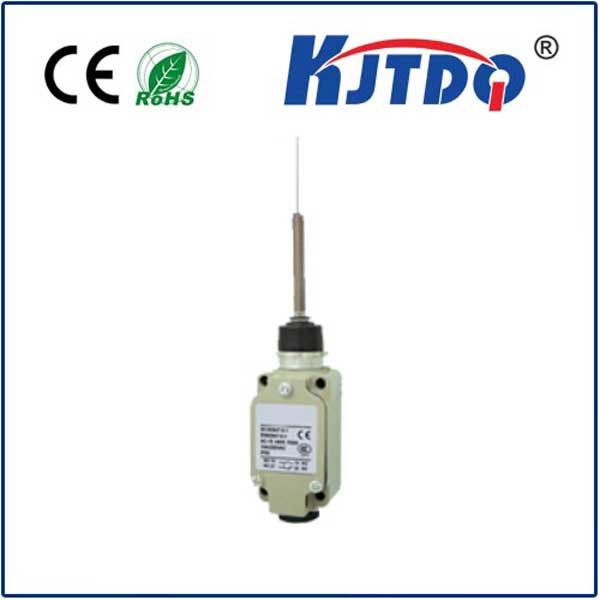
Selecting the right limit switch for AHU doors requires careful consideration. The environment inside an AHU can be challenging, with potential for vibration, dust, and temperature fluctuations. A robust switch designed for industrial applications, such as the KJTDQ series, is often necessary. Key features to look for include a durable mechanical design, a high IP rating for dust and moisture resistance, and a reliable actuator (like a roller lever or plunger) that ensures positive contact with the door frame. The electrical ratings must also be compatible with the control system's voltage and current requirements.
Installation is a straightforward but critical process. The switch is typically mounted on the stationary frame of the AHU, while the actuator is positioned to be engaged by the door itself when fully closed. Precise alignment is crucial to ensure the switch is fully depressed only when the door is completely sealed. Misalignment can lead to false "closed" signals or physical damage to the switch. Proper wiring following manufacturer guidelines and local electrical codes completes the installation, integrating the switch into the control loop.
In practice, integrating a reliable KJTDQ AHU door limit switch transforms how facilities manage their HVAC systems. It moves door status monitoring from a manual, visual check to an automated, reliable digital signal. This integration is a smart step toward smarter buildings, where every component's status is known and actionable. The result is a system that is not only safer for personnel but also operates more reliably, uses energy more wisely, and provides managers with the data needed for informed decision-making.
Ultimately, the AHU door limit switch is a small component with a massive impact. It exemplifies how attention to precise engineering details in HVAC controls can yield substantial returns in operational safety, energy conservation, and system longevity. By ensuring that access doors are properly secured, it maintains the designed integrity of the air handling system, safeguarding both the equipment investment and the quality of the indoor environment it serves.