check

check

check

check

check

check
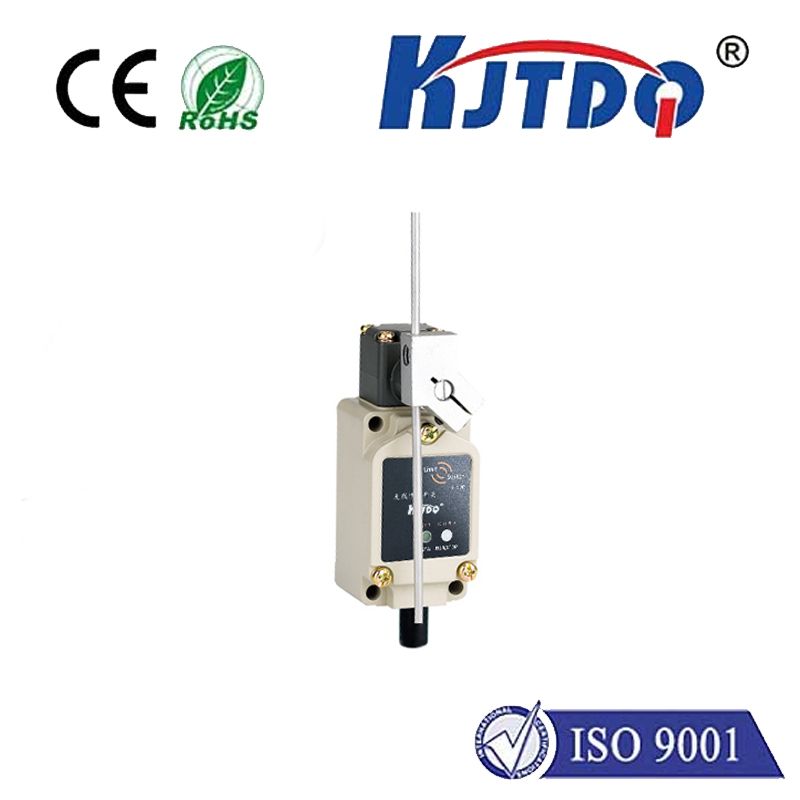
In the intricate world of electronic components, where reliability and precision are paramount, the whisker switch stands out as a critical yet often overlooked innovation. This electromechanical device, characterized by its slender, flexible metal contact—resembling a cat's whisker—has evolved from its historical roots in early radio crystal detectors to become a cornerstone in applications demanding delicate actuation and minimal physical force. Unlike bulkier mechanical switches, the whisker switch operates on the principle of a fine wire making or breaking contact with a corresponding terminal, enabling highly sensitive detection and control.
The fundamental advantage of the whisker switch lies in its exquisite sensitivity. The thin metallic whisker requires only a minuscule amount of force or displacement to trigger a state change, making it indispensable in scenarios where traditional switches would be too cumbersome or insensitive. This characteristic has propelled its adoption across diverse industries. In the realm of consumer electronics, for instance, whisker switches are integral to the functionality of advanced gaming controllers, providing tactile feedback for nuanced in-game actions. They are also found in precision instruments, where they serve as limit switches or position sensors, ensuring operational accuracy within tight tolerances.
Industrial automation heavily relies on the robustness and precision of whisker switches. Within complex machinery, these switches act as safety interlocks or part-presence detectors. Their ability to function consistently in environments with vibration or limited space—where larger switches might fail—enhances both safety and efficiency on production lines. Furthermore, the automotive sector utilizes whisker switches in various sensing applications, contributing to enhanced vehicle diagnostics and user interface responsiveness.
The design and material science behind modern whisker switches have seen significant advancements. Manufacturers now employ specialized alloys that offer optimal spring characteristics, corrosion resistance, and long-term electrical stability. The geometry of the whisker itself is meticulously engineered to provide a specific actuation force and travel distance, tailored to the needs of the final application. This customization ensures reliable performance over millions of cycles, a non-negotiable requirement for industrial and commercial devices.
From a technical perspective, integrating a whisker switch into a circuit is relatively straightforward, but it demands careful consideration of the electrical load and environmental conditions. Design engineers must account for factors such as bounce—a brief, rapid opening and closing of contacts upon actuation—which can be mitigated through debouncing circuits in the associated electronics. Proper sealing is also crucial for switches deployed in harsh conditions to prevent contamination from dust, moisture, or chemicals that could impede the delicate contact mechanism.
Looking toward the future, the role of the whisker switch is set to expand alongside the growth of the Internet of Things (IoT) and miniaturized smart devices. As products become smaller and smarter, the need for compact, low-power, and highly reliable sensing components will intensify. The whisker switch, with its proven track record and adaptability, is perfectly positioned to meet these challenges. Ongoing research focuses on further miniaturization, integration with solid-state electronics for hybrid solutions, and enhancing durability for next-generation applications in medical devices, wearable technology, and micro-robotics.
In conclusion, the whisker switch exemplifies how a simple mechanical concept, refined through engineering excellence, continues to enable precision and innovation across the technological landscape. Its unique blend of sensitivity, reliability, and compact design ensures it remains a vital component in the engineer's toolkit, quietly facilitating the advanced functionality users have come to expect in everything from industrial robots to personal gadgets. Understanding its operation and applications is key for anyone involved in designing or maintaining modern electronic systems.