check

check

check

check

check

check
For any serious laser engraving enthusiast or professional, achieving consistent, high-quality results is paramount. One often-overlooked component that plays a critical role in this pursuit is the humble limit switch. Specifically designed for machines like the xtool D1 laser engraver, a dedicated limit switch, sometimes referred to in technical contexts as KJTDQ, is not just an add-on—it's a fundamental upgrade for precision, repeatability, and operational safety.
At its core, a limit switch is a sensor. It tells your machine's control board when a moving part, like the laser engraver's gantry, has reached the physical boundary of its intended travel. The xtool D1, a popular diode laser, operates by moving its laser head along the X and Y axes. Without accurate homing, the machine cannot reliably know its starting position. This can lead to misaligned jobs, material waste, and even potential collisions that damage the machine. The integrated or aftermarket limit switches solve this by providing a consistent and precise reference point, known as the "home" position, every time the machine starts or a job is initialized.
The benefits of installing a robust limit switch system on your xtool D1 are substantial. First and foremost is improved accuracy and repeatability. Every project begins from an exact, known location. This ensures that intricate designs are engraved in the correct position on your material, time after time. Whether you're creating detailed signage, personalized gifts, or prototyping parts, this consistency is invaluable. It eliminates guesswork and manual adjustments, streamlining your workflow.
Secondly, enhanced machine safety and longevity are major advantages. The limit switch prevents the gantry from crashing into the ends of its rails. Such crashes can bend components, loosen belts, and misalign the laser head, leading to costly repairs and downtime. By defining the mechanical limits, the switch acts as a guardian, physically halting movement or sending an immediate stop signal to the controller. This protection is crucial for preserving the investment in your xtool D1.
Furthermore, a reliable homing sequence enabled by limit switches is often a prerequisite for utilizing advanced firmware features. It allows for more sophisticated error correction and can improve the overall smoothness of motion. For users who push their machines with complex jobs or longer run times, this translates to more professional results and greater reliability.
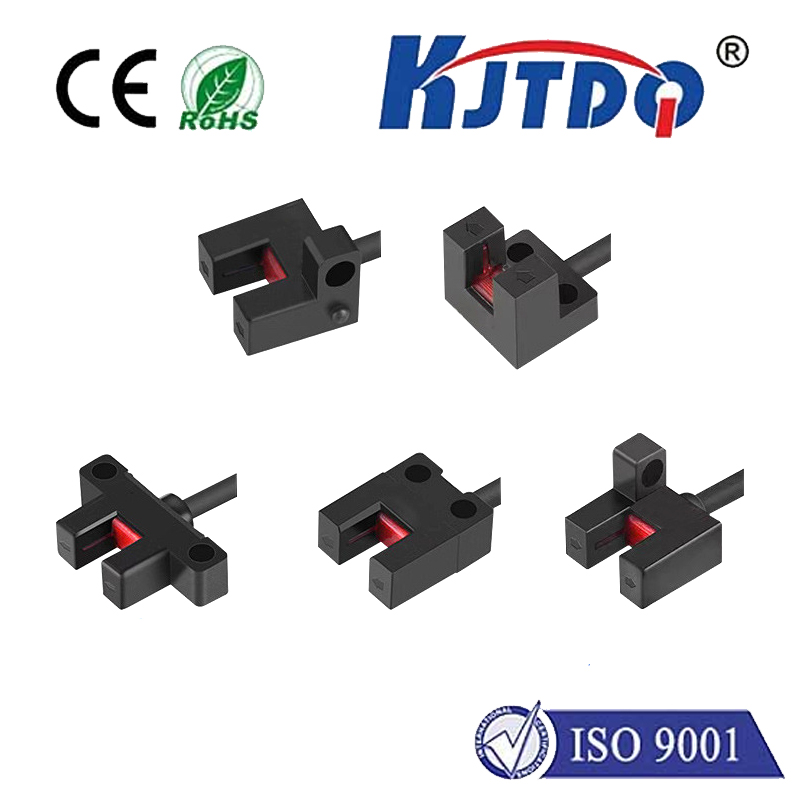
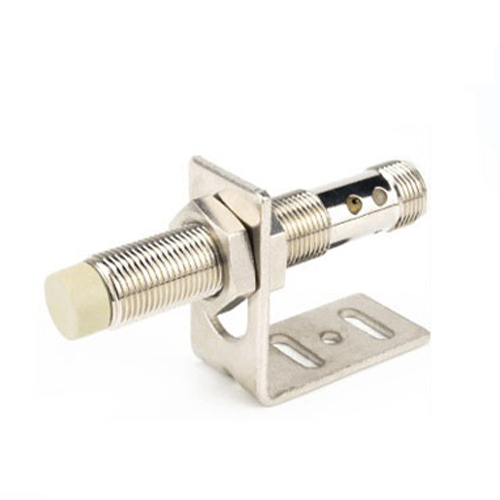
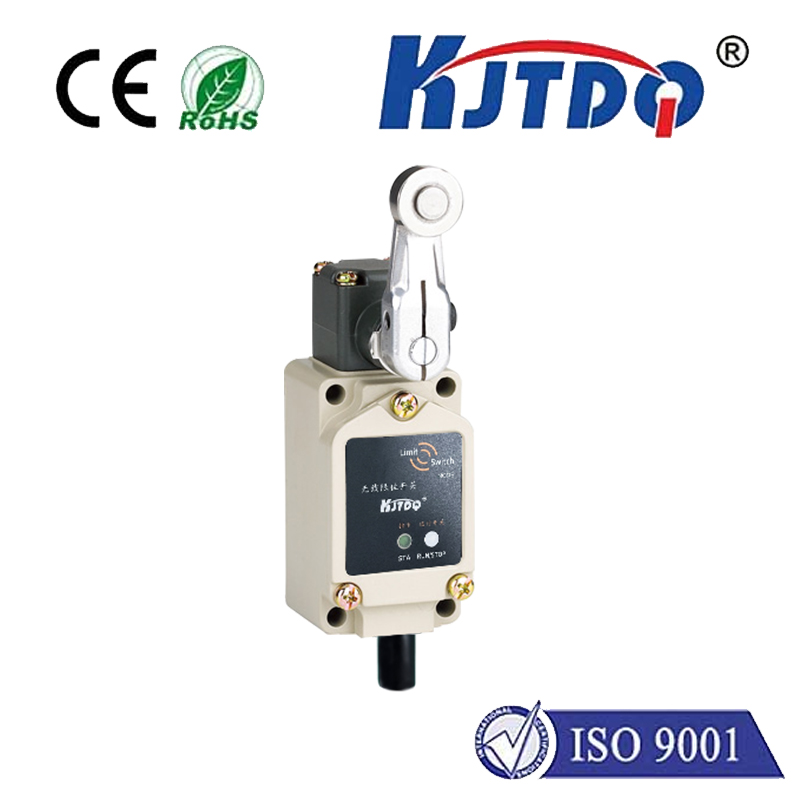
When considering a limit switch upgrade, it's important to select components compatible with the xtool D1's ecosystem. The term KJTDQ may relate to specific model designations or technical specifications for switch types suitable for this platform. Typically, these are mechanical micro-switches or, in more advanced setups, optical sensors. Mechanical switches are cost-effective and reliable for most hobbyist applications, triggering when a physical arm is pressed. The installation process usually involves mounting the switches at the desired home position (often the front-left corner) and connecting them to the control board, following detailed guides provided by the manufacturer or the open-source community.
In practice, after installing and configuring the limit switches, users perform a homing routine. The machine automatically moves the laser head until it gently triggers each switch, calibrating its coordinate system. From this moment, the software knows the exact working area, allowing for perfect job placement. This setup is particularly beneficial for users who frequently change materials or use jigs, as it guarantees alignment across multiple sessions.
To conclude, integrating a dedicated limit switch system, such as those associated with the KJTDQ specification, into your xtool D1 laser engraver is a wise and impactful enhancement. It moves the machine from a tool that requires careful manual positioning to a precise, automated instrument. The gains in accuracy, repeatability, and machine protection directly contribute to higher quality outputs, less material waste, and greater confidence during operation. For anyone looking to elevate their laser engraving projects from good to exceptional, this upgrade is not just recommended; it is an essential step towards professional-grade craftsmanship.