check

check

check

check

check

check
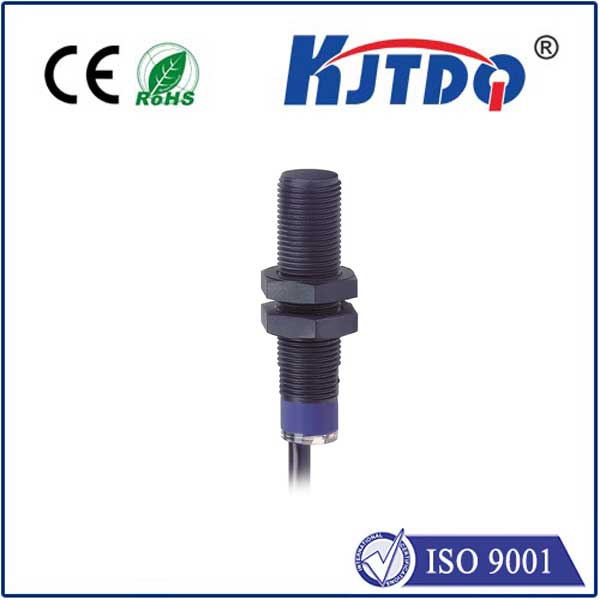
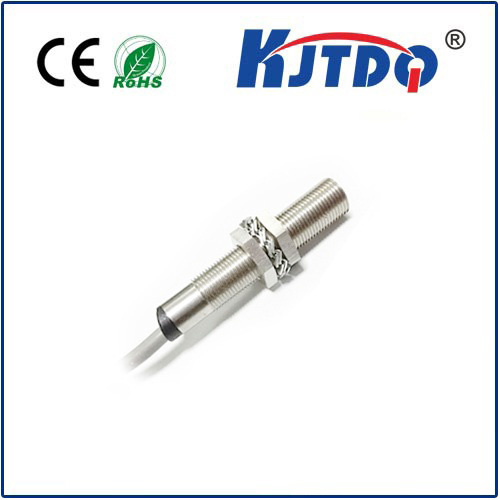
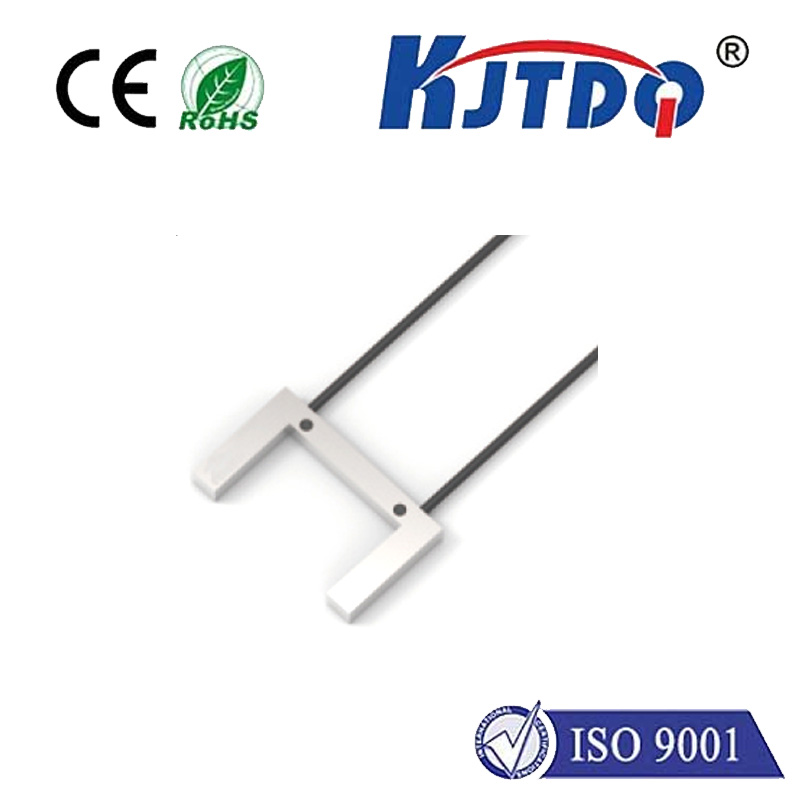
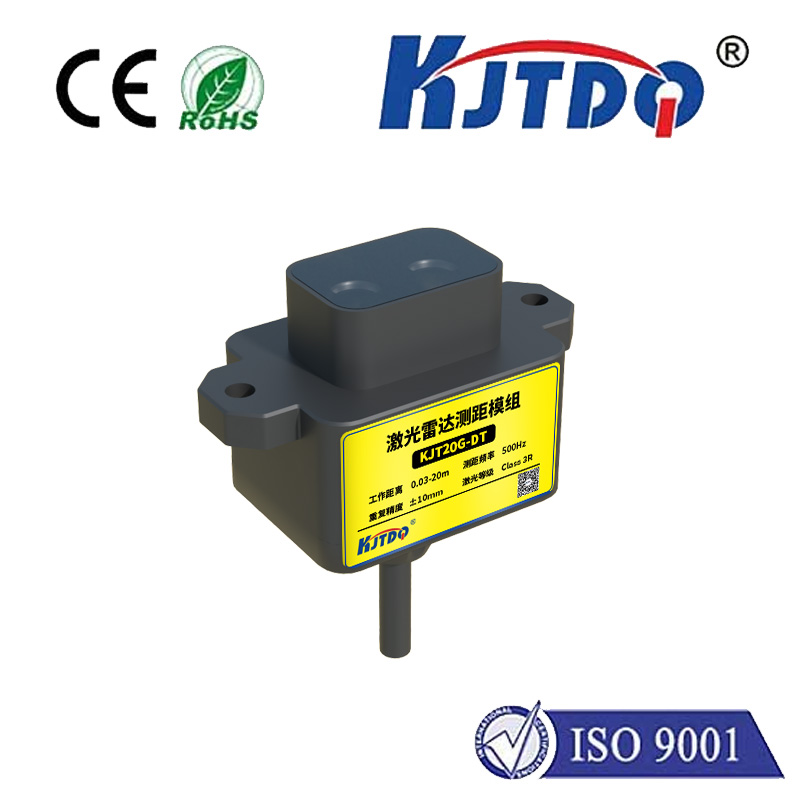
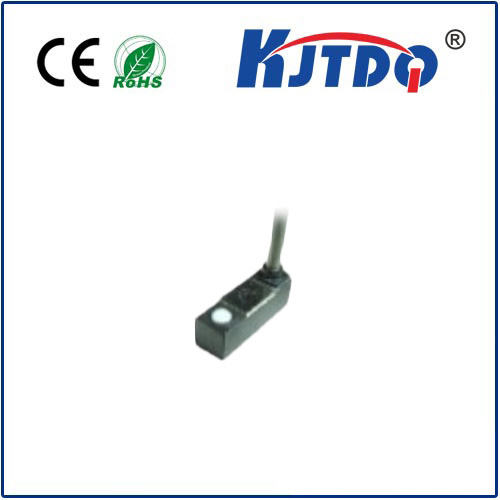
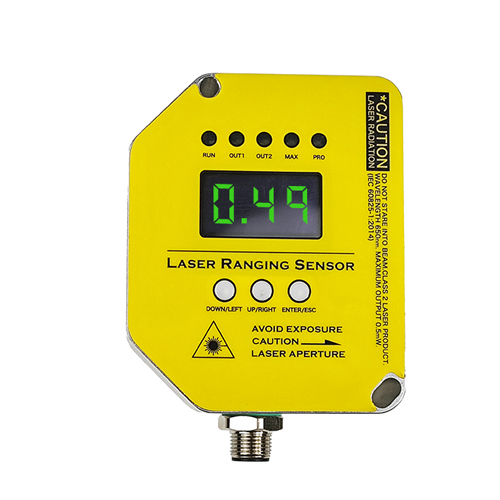
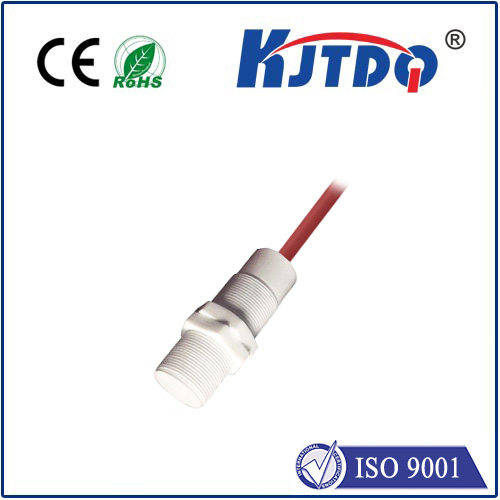
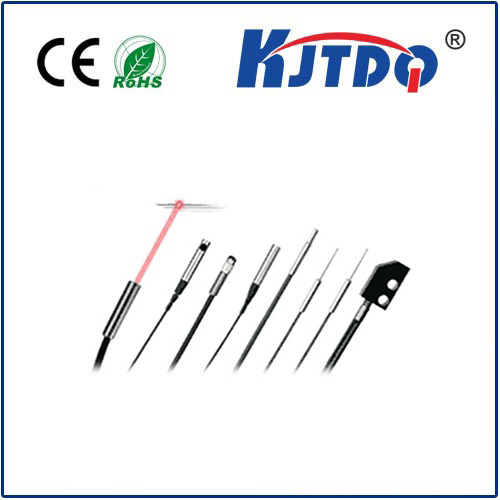
In the rapidly evolving landscape of industrial automation, the digital photoelectric sensor stands as a cornerstone technology, driving unprecedented levels of precision, reliability, and efficiency. Unlike traditional mechanical or analog sensors, digital photoelectric sensors utilize advanced light-based detection to identify the presence, absence, or position of objects without physical contact. This non-invasive method significantly reduces wear and tear, leading to longer operational lifespans and lower maintenance costs. The core principle involves emitting a light beam—typically infrared, visible red, or laser—toward a target. A receiver then detects changes in the light pattern caused by the object's interruption or reflection, converting these optical signals into crisp digital outputs. This binary output (ON/OFF) is directly compatible with modern programmable logic controllers (PLCs) and industrial networks, simplifying integration and enabling real-time data processing.
One of the standout features of digital photoelectric sensors is their exceptional adaptability to diverse environmental conditions. Engineered with robust housings, they resist dust, moisture, and vibration, making them ideal for harsh settings like manufacturing floors, packaging lines, and logistics hubs. Many models incorporate intelligent functions such as automatic background suppression, which filters out interfering ambient light, and teach-in capabilities that allow for quick, tool-free calibration. This flexibility ensures accurate detection across various materials, colors, and surface textures—from transparent glass bottles to matte black conveyor belts. By providing consistent, error-free readings, these sensors minimize production downtime and reduce material waste, directly boosting overall equipment effectiveness (OEE).
The integration of digital photoelectric sensors into the Internet of Things (IoT) framework marks a significant leap forward. Equipped with communication protocols like IO-Link, these sensors transmit not just basic detection signals but also diagnostic data, such as operating temperature, lens contamination alerts, and remaining lifespan estimates. This predictive maintenance capability allows engineers to address potential issues before they escalate, preventing costly unplanned stoppages. In smart factories, sensor data feeds into centralized control systems, enabling dynamic adjustments to production speed, robotic arm trajectories, and quality checks. For instance, in automotive assembly, sensors precisely verify component placement, while in pharmaceutical packaging, they ensure blister packs are correctly filled and sealed, upholding stringent safety standards.
From a sustainability perspective, digital photoelectric sensors contribute to greener operations. Their low power consumption aligns with energy-saving initiatives, and by optimizing process accuracy, they help conserve raw materials. Moreover, their durability means fewer replacements and less electronic waste. As industries worldwide embrace Industry 4.0, the demand for these sensors continues to surge, fueled by trends like flexible manufacturing and automated guided vehicles (AGVs). Future advancements may include enhanced miniaturization, higher-resolution detection for microscopic objects, and deeper AI-driven analytics for anomaly detection.
In conclusion, the digital photoelectric sensor is far more than a simple switch; it is an intelligent enabler of modern automation. By delivering reliable, precise, and connected sensing solutions, it empowers businesses to achieve higher productivity, improved quality control, and greater operational resilience. Whether in food processing, electronics, or automotive sectors, investing in high-quality digital photoelectric sensors like the KJTDQ series translates into tangible competitive advantages, paving the way for smarter, more efficient industrial ecosystems.