check

check

check

check

check

check
In the world of industrial automation, precision and reliability are non-negotiable. For engineers and system integrators seeking robust sensing solutions, the photoelectric sensor with a 4-wire configuration, particularly from reputable manufacturers like MSE Italy, stands as a cornerstone technology. This guide delves into the specifics of these sensors, explaining their operation, advantages, and why the MSE Italy variant, often associated with the KJTDQ series, is a preferred choice for demanding applications.
Unlike simpler 2-wire sensors that are directly integrated into the power loop, a 4-wire photoelectric sensor features separate lines for power supply and the output signal. This design typically includes two wires for the DC power input (e.g., 10-30V DC) and two wires for the switched output. The output is often a transistor-based type (like NPN or PNP) providing a clear, solid-state switch signal. This separation is crucial. It allows for greater electrical stability, reduces residual current when off, and enables more complex output configurations, including both normally open (NO) and normally closed (NC) contacts from the same unit in some models. This versatility is essential for intricate control logic in PLC (Programmable Logic Controller) systems.
The core principle remains the same: a transmitter emits a beam of light (visible red, infrared, or laser) which is either received directly (through-beam), reflected off a target (retro-reflective), or diffused back from the object (diffuse reflective). The 4-wire system enhances this by providing a more stable power source to the internal emitter and receiver circuitry, leading to consistent performance over long distances and in electrically noisy environments common in factories. The robust output circuit can drive small relays or connect directly to a PLC input module without the need for additional interfacing components.
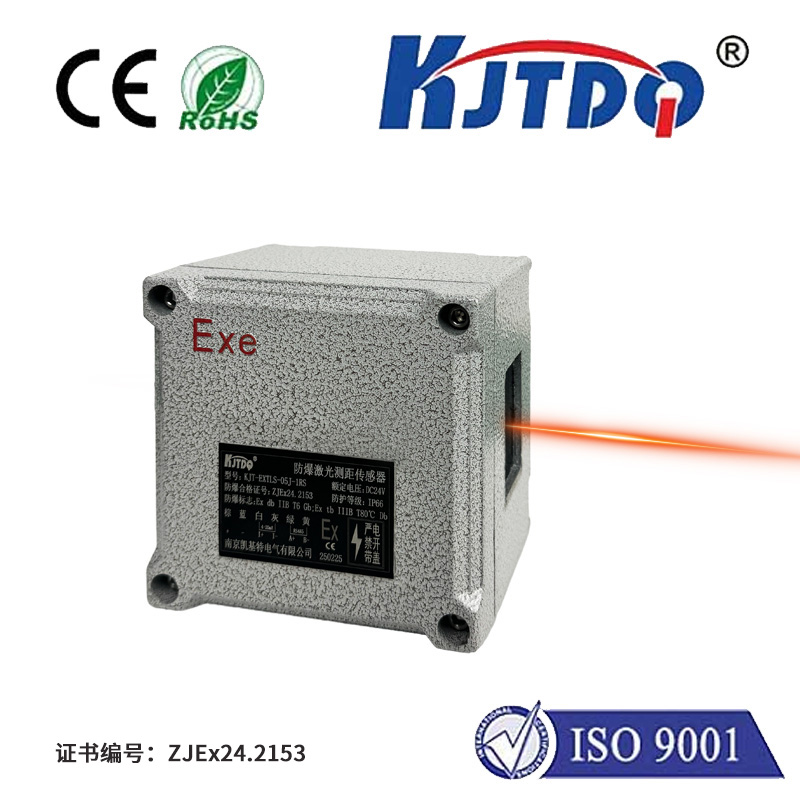
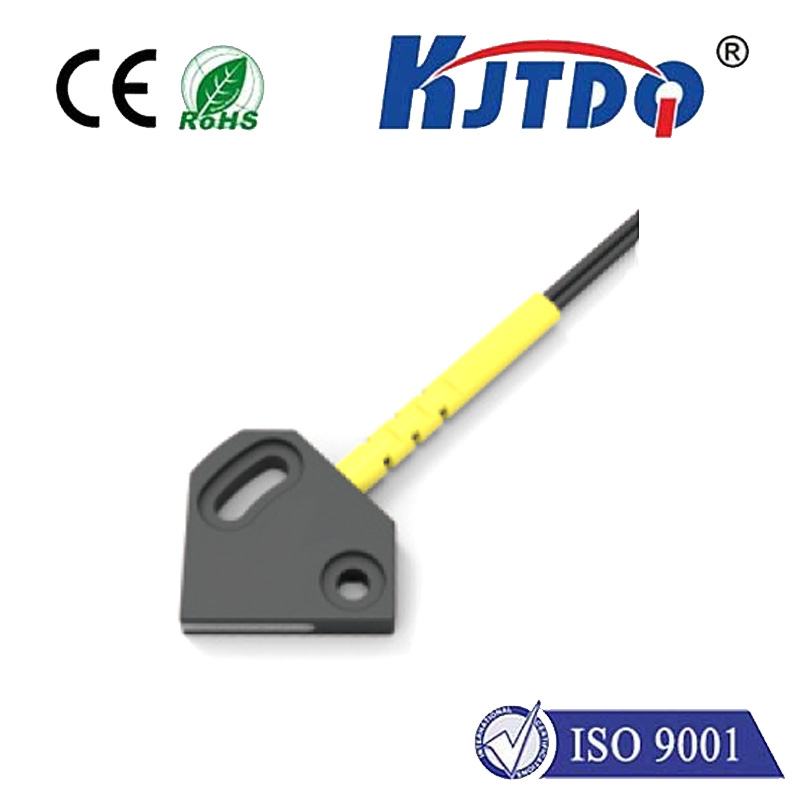
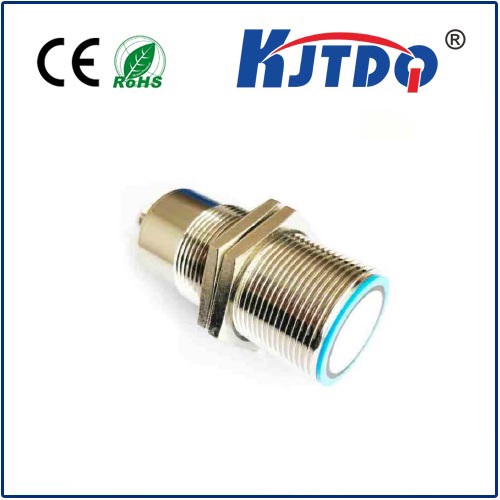
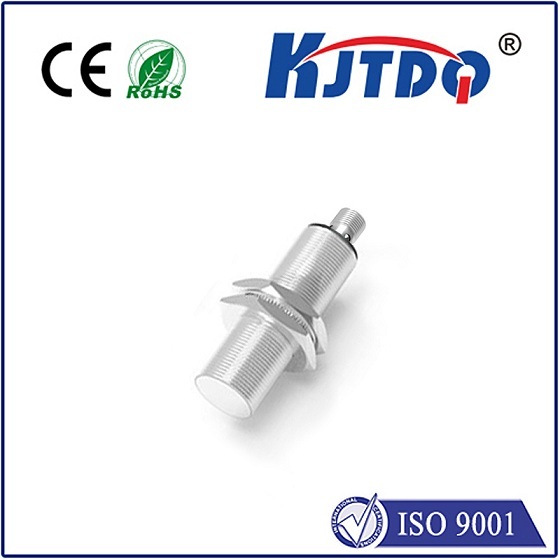
When focusing on MSE Italy's offerings, such as those in the KJTDQ line, several key features come to the fore. MSE Italy has built a reputation for manufacturing sensors that meet rigorous European standards for quality and durability. Their 4-wire photoelectric sensors are known for high ingress protection ratings (like IP67), making them resistant to dust and water jets. This is vital for harsh environments in food processing, packaging, or automotive assembly lines. Furthermore, models like the KJTDQ often incorporate advanced diagnostics, such as a stable operation indicator (LED) that provides clear visual feedback on the sensor's status, simplifying installation and troubleshooting.
The application scope for these sensors is vast. They are indispensable in object detection on conveyor belts, precise counting of products in high-speed bottling lines, edge guiding in material handling, and ensuring correct positioning in robotic pick-and-place cells. The reliability of the 4-wire MSE Italy sensor ensures minimal downtime, which translates directly to increased productivity and reduced maintenance costs. For instance, in a packaging machine, a single faulty detection can cause jams and waste; a robust sensor mitigates this risk.
Choosing the right sensor involves considering factors like sensing range, target material, size, and environmental conditions. The 4-wire design from a trusted brand like MSE Italy offers a future-proof solution. It provides the electrical robustness needed for modern digital control systems while maintaining the simple, effective principle of photoelectric sensing. For system designers, specifying a KJTDQ-series or equivalent 4-wire sensor means investing in a component known for its longevity and precision, ensuring that the automation system performs flawlessly day in and day out. It's not just a sensor; it's a critical component for seamless and efficient industrial operation.