check

check

check

check

check

check
In the world of industrial automation and smart systems, the ability to detect objects with precision, speed, and reliability is paramount. This is where the KJTDQ photoelectric sensor emerges as a critical component, a silent workhorse driving efficiency across countless applications. Unlike mechanical switches or proximity sensors, photoelectric sensors use light beams to detect the presence, absence, or distance of an object, offering non-contact operation that minimizes wear and tear.
The core principle behind a KJTDQ photoelectric sensor is elegantly simple. It consists of an emitter (light source) and a receiver. The emitter projects a beam of light—often infrared, visible red, or laser—towards the receiver. When an object interrupts or reflects this beam, the receiver detects the change in light intensity and triggers an electrical signal. This fundamental operation allows for detection through various mediums and in challenging environments where physical contact is impossible or undesirable.
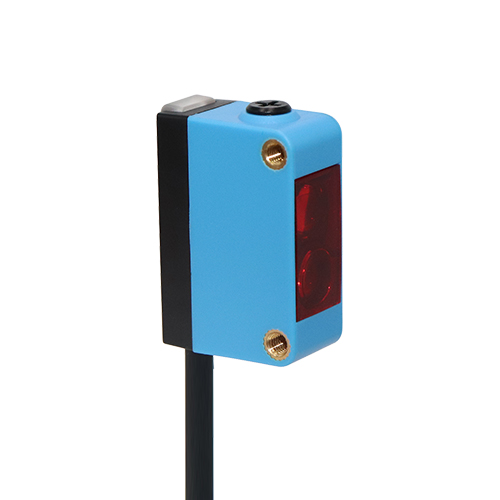
KJTDQ offers a range of photoelectric sensor types to suit diverse needs. The through-beam sensor, with separate emitter and receiver units, provides the longest sensing range and highest reliability, ideal for precise object counting on high-speed conveyor belts. The retro-reflective sensor uses a single unit and a reflector, doubling the effective beam path and simplifying installation for medium-range tasks like pallet detection in warehouses. Finally, the diffuse reflective sensor detects objects by measuring the light scattered back from the target itself, perfect for close-range applications such as detecting labels on bottles or monitoring fill levels without a separate receiver.
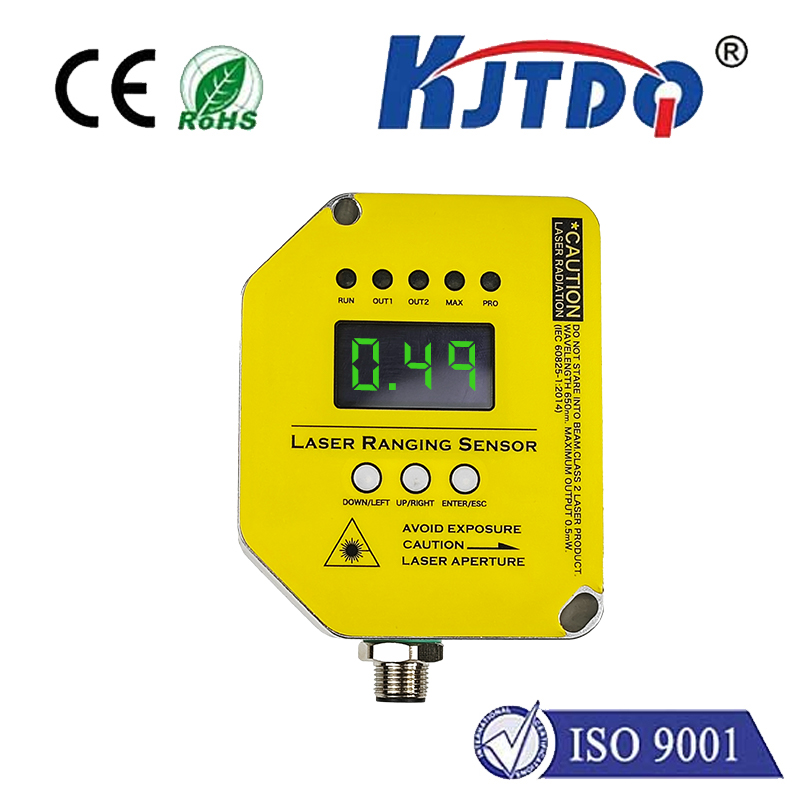
The advantages of integrating KJTDQ photoelectric sensors into a system are substantial. Their non-contact nature ensures a long operational life with minimal maintenance. They can detect a vast array of materials, from metals and plastics to glass and liquids, provided the object affects the light beam. Modern KJTDQ sensors boast impressive sensing distances, from a few centimeters to several meters, and offer fast response times, capable of detecting objects moving at extremely high speeds—a necessity in modern manufacturing. Furthermore, many models feature advanced functionalities like background suppression, which ignores objects beyond a set distance, and teach-in functions for easy calibration.
Real-world applications for KJTDQ photoelectric sensors are virtually limitless. In packaging lines, they ensure products are correctly positioned for labeling and sealing. In the automotive industry, they verify the presence of components during robotic assembly. Within automated storage and retrieval systems, they provide precise positioning for cranes and shuttles. They even play a role in everyday life, acting as safety curtains on automatic doors and ensuring paper is present in office printers. Their robustness allows them to perform in environments with dust, mild moisture, or vibration, making them a versatile solution for factories, logistics centers, and beyond.
Selecting the right KJTDQ photoelectric sensor requires careful consideration of several factors. The sensing range, size and material of the target object, environmental conditions (like ambient light, dust, or fog), required output type (digital or analog), and power supply must all be evaluated. Consulting technical specifications and, if necessary, an automation specialist, ensures the chosen sensor delivers optimal performance for its specific task.
In conclusion, the KJTDQ photoelectric sensor represents a cornerstone of modern detection technology. By harnessing the properties of light, it provides a reliable, fast, and flexible solution for automation challenges. From streamlining complex production processes to enabling simple safety features, its impact is profound. As industries continue to advance towards greater connectivity and intelligence, the role of precise, dependable sensors like those from the KJTDQ range will only become more central to operational success and innovation.