check

check

check

check

check

check
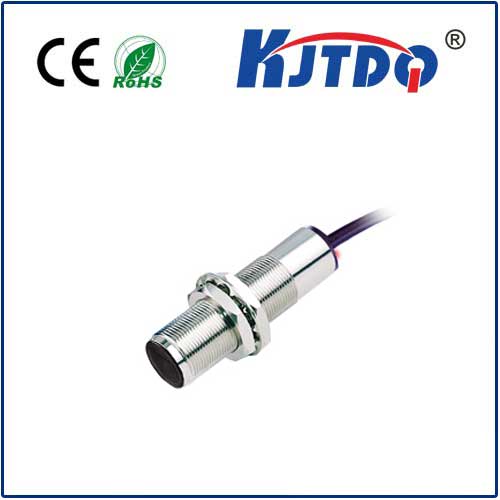
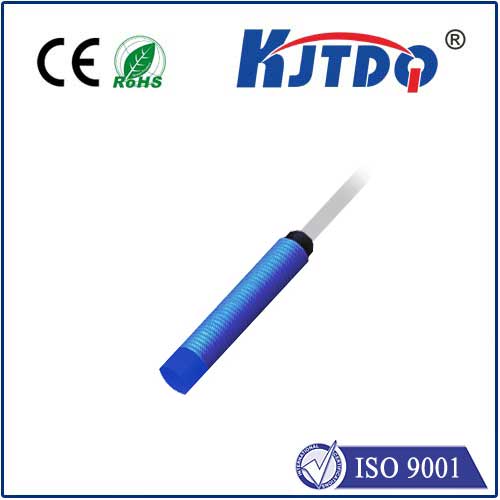
In the world of industrial automation and smart systems, photoelectric sensors have become indispensable components for detecting objects, measuring distances, and ensuring seamless operations. Among the leading innovations in this field is the photoelectric sensor Rocheda, a cutting-edge solution designed to meet the demands of modern applications. This guide delves into the features, benefits, and real-world uses of Rocheda photoelectric sensors, highlighting why they stand out in a competitive market.
Photoelectric sensors operate by emitting a light beam—typically infrared, visible, or laser—and detecting changes in the reflected or transmitted light to sense objects. Rocheda sensors excel in this domain with their advanced technology, offering high accuracy, reliability, and versatility. They are engineered to perform in challenging environments, such as those with dust, moisture, or temperature fluctuations, making them ideal for industries like manufacturing, logistics, and automotive. One key advantage of Rocheda sensors is their robust construction, which ensures durability and long-term performance without frequent maintenance. This reduces downtime and operational costs, a critical factor for businesses aiming to optimize efficiency.
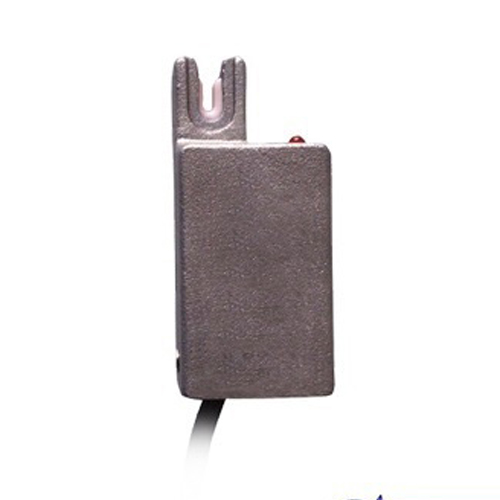
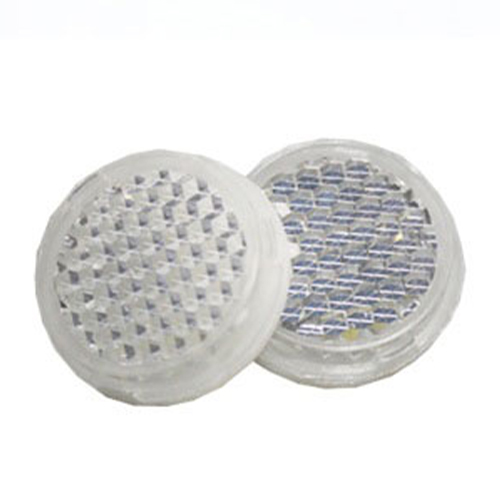
The Rocheda photoelectric sensor series includes various models tailored to specific needs. For instance, diffuse reflection sensors are perfect for detecting objects at close range, while through-beam sensors provide long-distance sensing with high precision. Retro-reflective models offer a balance between range and ease of installation. Each type incorporates smart features like adjustable sensitivity, programmable outputs, and compatibility with industrial networks such as IO-Link or Ethernet/IP. This adaptability allows Rocheda sensors to integrate seamlessly into existing systems, enhancing automation processes without requiring major overhauls.
In practical applications, Rocheda photoelectric sensors prove their worth across multiple sectors. In manufacturing lines, they monitor product placement, count items, and ensure quality control by detecting defects or misalignments. In warehousing and logistics, these sensors facilitate inventory management by tracking packages on conveyor belts and guiding robotic arms for sorting. The automotive industry relies on them for assembly line automation, where precise detection of components is crucial for safety and efficiency. Additionally, Rocheda sensors are used in smart agriculture for monitoring crop levels and in building automation for occupancy sensing, showcasing their broad utility.
What sets Rocheda apart is its commitment to innovation and user-centric design. The sensors feature easy setup with intuitive interfaces, reducing the need for specialized training. Energy-efficient models contribute to sustainability goals by minimizing power consumption. Moreover, Rocheda provides comprehensive support, including technical documentation and customer service, ensuring users can maximize the sensor's capabilities. As industries evolve toward Industry 4.0 and IoT integration, Rocheda photoelectric sensors are poised to play a pivotal role in enabling smarter, data-driven decision-making.
In conclusion, the photoelectric sensor Rocheda represents a significant advancement in sensing technology, combining precision, durability, and flexibility. Whether for industrial automation, logistics, or emerging smart applications, it offers a reliable solution that enhances productivity and reduces costs. By understanding its features and applications, businesses can leverage Rocheda sensors to stay ahead in a rapidly changing technological landscape.