check

check

check

check

check

check
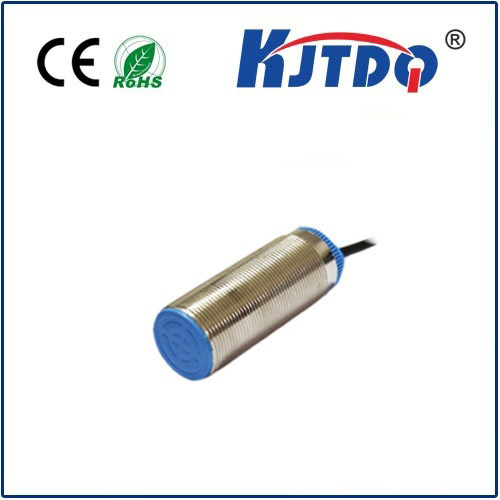
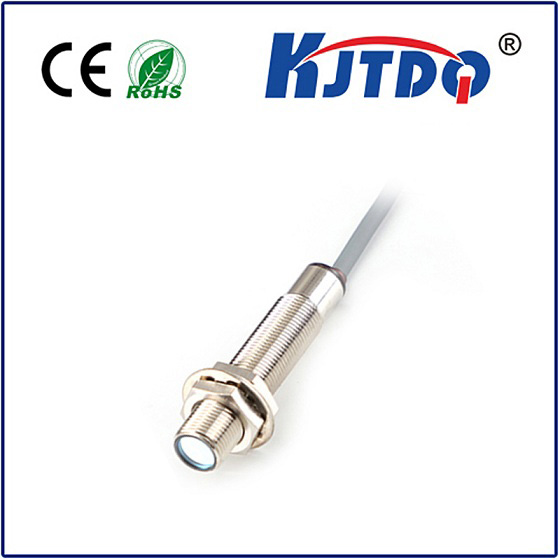
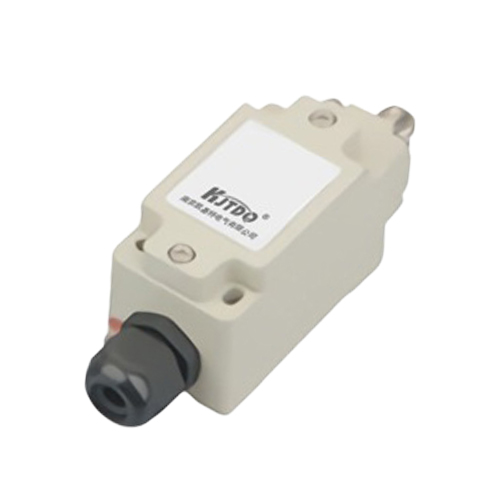
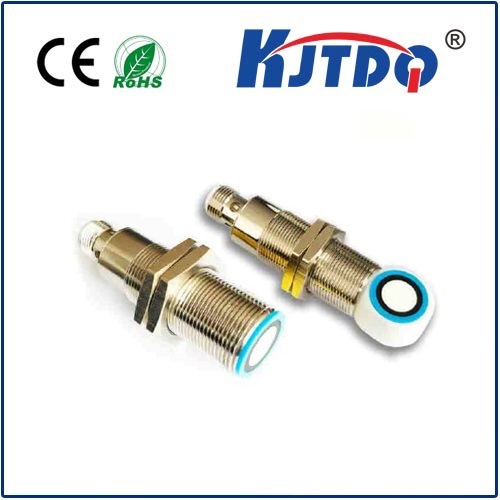
In the rapidly evolving landscape of industrial automation, precision, reliability, and seamless integration are non-negotiable. The KJTDQ switch proximity built-in photoelectric sensor stands out as a pivotal component engineered to meet these exacting demands. This advanced sensor technology merges the non-contact detection capabilities of photoelectric sensing with the compact, robust design of a proximity switch, creating a versatile solution for a multitude of applications.
Unlike traditional mechanical limit switches or standard inductive proximity sensors, the built-in photoelectric sensor operates by emitting a beam of light—typically infrared, visible red, or laser—and detecting changes in the received light intensity. This principle allows it to detect objects regardless of their material composition, be it metal, plastic, glass, or liquid, with exceptional accuracy and repeatability. The "switch proximity" aspect refers to its form factor and mounting style, which is familiar to engineers and technicians, allowing for easy retrofitting into existing systems without extensive modification.
The core advantage of the KJTDQ series lies in its intelligent built-in design. Key functionalities such as sensitivity adjustment, timing functions, and output state configuration are often integrated directly into the sensor housing. This eliminates the need for external amplifiers or complex controllers in many scenarios, simplifying wiring, reducing cabinet space, and lowering overall system cost. The sensor can directly interface with programmable logic controllers (PLCs), providing a clean, switch-like signal for object presence, counting, positioning, or edge detection.
Durability is a hallmark of this technology. Housed in a rugged, often stainless steel or high-grade polymer body, these sensors are built to withstand harsh industrial environments. They are resistant to dust, moisture, vibrations, and electrical noise, ensuring consistent performance in settings ranging from packaging and material handling to automotive assembly lines and food processing plants. Their sealed construction makes many models suitable for washdown applications.
From an application perspective, the versatility is remarkable. On a high-speed conveyor system, these sensors can reliably detect transparent bottles or thin films that would challenge other sensor types. In automated storage and retrieval systems, they provide precise positioning feedback for shuttles and lifts. They are equally effective in detecting fill levels in containers, controlling robotic arm movements, or ensuring correct part orientation before a machining operation. The ability to sense over longer distances compared to standard inductive proximity sensors further expands their utility.
Choosing the right KJTDQ switch proximity built-in photoelectric sensor involves considering several technical parameters. The sensing range, light source type (diffuse, retro-reflective, or through-beam), response time, output type (PNP/NPN, analog, or IO-Link), and supply voltage must align with the specific task. Proper alignment and installation are crucial for optimal performance, as ambient light or highly reflective surfaces can sometimes pose challenges, though modern models feature advanced background suppression and polarization filters to mitigate such issues.
Ultimately, the integration of a KJTDQ photoelectric sensor into an automation system represents a step towards greater efficiency and intelligence. It reduces mechanical wear and tear, minimizes downtime due to sensor failure, and enhances the overall precision of automated processes. As industries continue to push for smarter, more connected factories (Industry 4.0), the role of reliable, feature-rich sensors like this becomes increasingly central. It is not merely a component but a critical enabler of seamless, uninterrupted production flow, making it a smart, future-proof investment for any operation seeking to optimize performance and maintain a competitive edge.