check

check

check

check

check

check
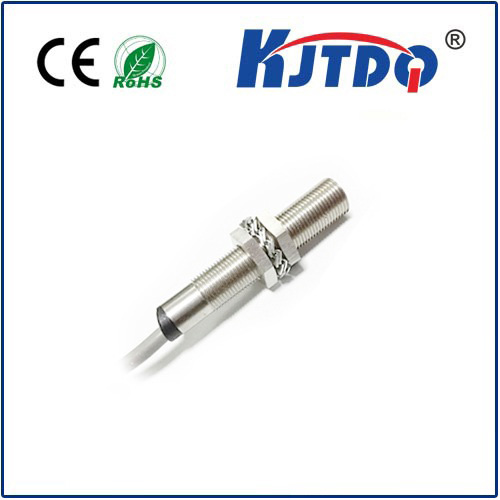
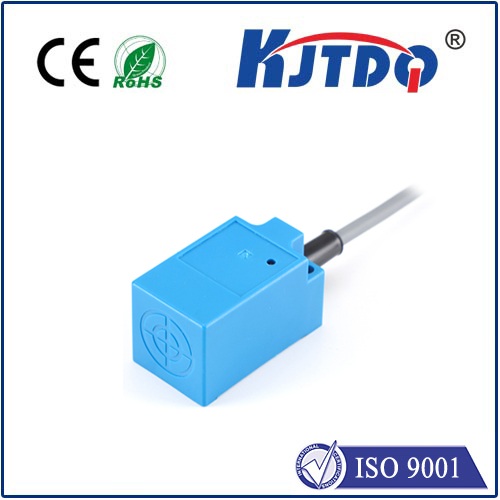
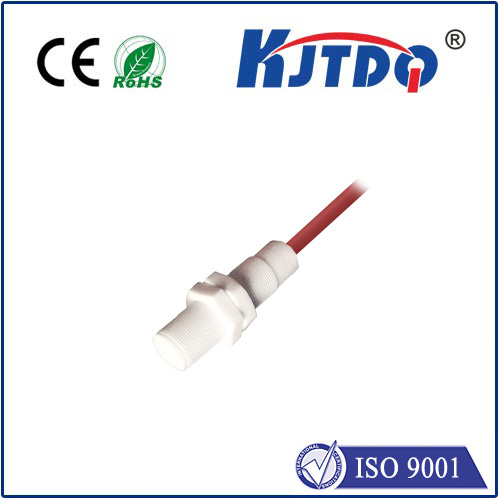
In the rapidly evolving landscape of industrial automation, precision, durability, and reliability are non-negotiable. Enter the metal body photoelectric sensor, a cornerstone technology that has redefined sensing capabilities in harsh environments. Unlike its plastic-bodied counterparts, this robust device is engineered to withstand extreme conditions, including high temperatures, corrosive chemicals, and significant physical impact. Its construction ensures longevity and consistent performance, making it an indispensable component in manufacturing, packaging, logistics, and automotive assembly lines.
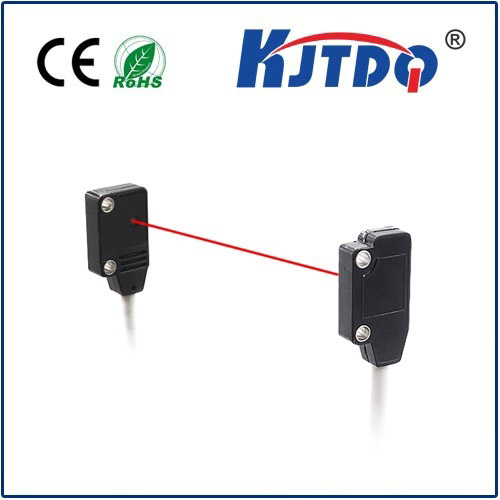
The core principle of a photoelectric sensor involves emitting a light beam—typically infrared, visible red, or laser—and detecting changes in the received light. The metal body variant excels in this function by providing superior shielding against electromagnetic interference (EMI) and radio frequency interference (RFI), which are common in industrial settings filled with motors and heavy machinery. This shielding guarantees signal integrity, minimizing false triggers and ensuring accurate detection of objects, regardless of their color, material, or surface texture. Common operational modes include through-beam, retro-reflective, and diffuse reflective, each offering specific advantages for different applications, from detecting tiny components on a high-speed conveyor to ensuring precise positioning in robotic arms.
Durability is a paramount advantage. The sealed metal housing, often made from stainless steel or brass with high IP (Ingress Protection) ratings, protects internal electronics from dust, moisture, and washdowns. This makes it ideal for food and beverage processing or pharmaceutical industries where hygiene standards require frequent cleaning. Furthermore, the metal body effectively dissipates heat, preventing overheating during continuous operation and extending the sensor's service life significantly.
Integration into modern smart factories is seamless. Many advanced metal body photoelectric sensors now feature IO-Link connectivity, enabling real-time data exchange, remote configuration, and predictive maintenance alerts. This digital capability transforms them from simple switching devices into intelligent nodes within the Industrial Internet of Things (IIoT), contributing to overall equipment effectiveness (OEE) and reducing unplanned downtime.
When selecting a metal body photoelectric sensor, key specifications to consider include sensing distance, response time, light source type, and output configuration (e.g., NPN/PNP). Proper installation, alignment, and periodic lens cleaning are crucial for optimal performance. As industries push towards greater efficiency and resilience, the metal body photoelectric sensor stands as a critical enabler, offering the ruggedness and precision required for the automated systems of today and tomorrow. Its role in enhancing safety, quality control, and operational throughput continues to grow, solidifying its status as a fundamental tool in industrial innovation.