check

check

check

check

check

check
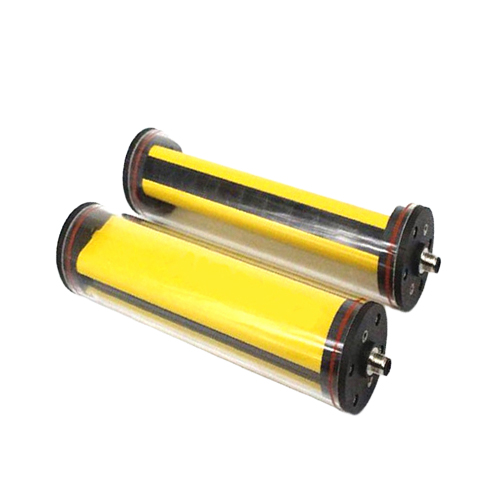
In modern industrial automation systems, material handling and feeding processes require precise, reliable, and continuous monitoring to ensure seamless production flow. The photoelectric switch feeding sensor, a cornerstone technology in this domain, provides a non-contact solution for detecting the presence, absence, or position of objects on conveyor belts, in hoppers, or through pipelines. Unlike mechanical limit switches that suffer from wear and tear, photoelectric sensors use a beam of light, making them ideal for demanding environments where durability and maintenance-free operation are critical.
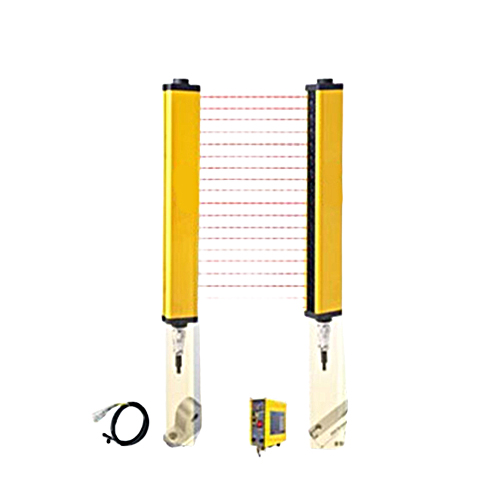
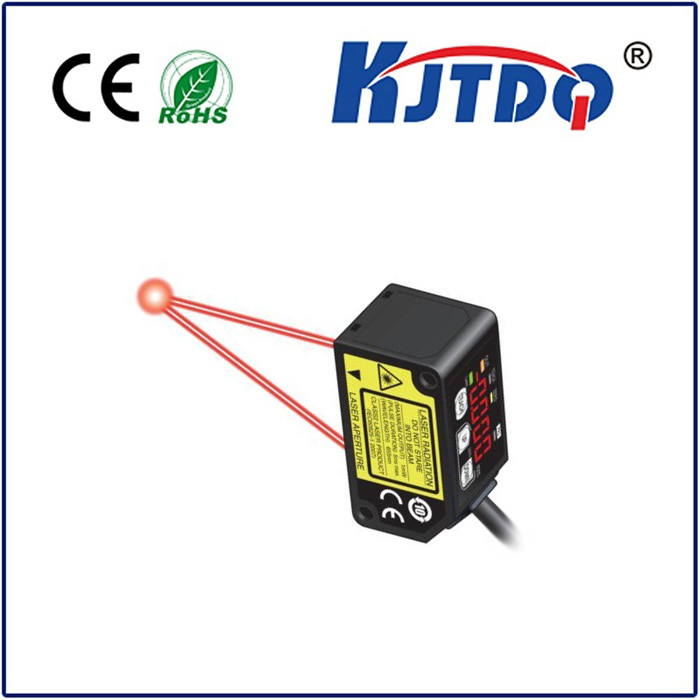
The core principle involves an emitter that projects a light beam—often infrared, visible red, or laser—towards a receiver. When an object interrupts this beam, the sensor's output state changes, sending a signal to a programmable logic controller (PLC). This simple yet effective mechanism allows for the detection of a vast range of materials, from transparent glass bottles to opaque metal parts, and even granular or powdered substances. For feeding applications, this real-time detection is paramount. It prevents overfilling in silos, ensures consistent material flow to packaging machines, and triggers alarms for jams or shortages, thereby minimizing downtime and waste.
A key advantage of the photoelectric switch feeding sensor is its versatility. Different sensing modes, such as through-beam, retro-reflective, and diffuse reflective, offer solutions for various installation challenges and detection ranges. Through-beam sensors, with separate emitter and receiver units, offer the longest range and highest reliability. Retro-reflective types use a reflector to bounce the beam back, simplifying wiring. Diffuse sensors detect light reflected directly from the target object, ideal for close-range applications where installing a receiver opposite is impractical. This flexibility allows engineers to tailor the sensing solution to specific feeding system layouts.
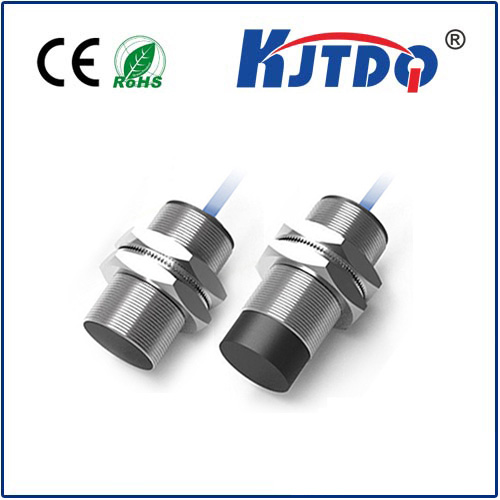
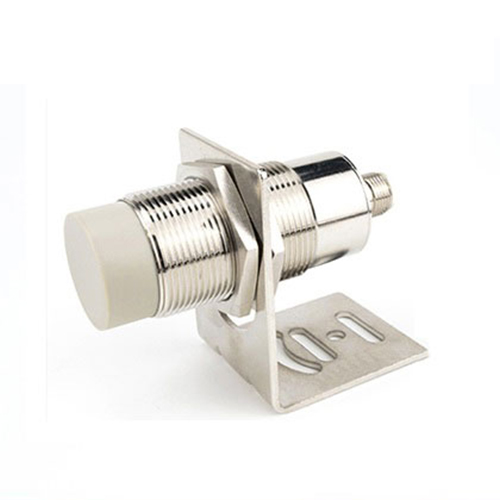
Integration into automated feeding systems is straightforward. These sensors typically feature robust housings rated IP67 or higher, protecting them from dust, moisture, and mechanical impact common in industrial settings. Output options like NPN, PNP, or analog signals ensure compatibility with a wide array of control systems. Furthermore, advanced models come with teach-in functions for easy calibration, adjustable sensitivity to ignore background interference, and built-in timers for delay functions. This intelligence transforms a simple detection event into a actionable data point for process optimization.
The impact on efficiency and cost-saving is substantial. By providing accurate and instantaneous feedback, photoelectric feeding sensors enable just-in-time material handling, reduce energy consumption by controlling motors only when needed, and significantly lower the risk of equipment damage due to blockages or empty runs. They are indispensable in industries ranging from food and beverage processing, where they monitor grain or liquid flow, to pharmaceutical manufacturing, ensuring precise pill counting, and automotive assembly, controlling part feeding to robots.
When selecting a photoelectric switch for a feeding application, factors like sensing distance, target material size and color, environmental conditions (presence of steam, dust, or vibration), and required response time must be carefully evaluated. Proper selection and installation are crucial to avoid false triggers from ambient light or reflective surfaces. Regular maintenance, though minimal, involves keeping the lens clean to ensure optimal performance.
In conclusion, the photoelectric switch feeding sensor is more than just a detection device; it is an enabler of smarter, more responsive, and efficient industrial automation. Its non-contact nature, reliability, and adaptability make it a fundamental component for optimizing material feeding processes, enhancing overall equipment effectiveness (OEE), and driving productivity in the era of Industry 4.0. As feeding systems become more complex, the role of these precise and durable sensors will only grow in importance.