check

check

check

check

check

check
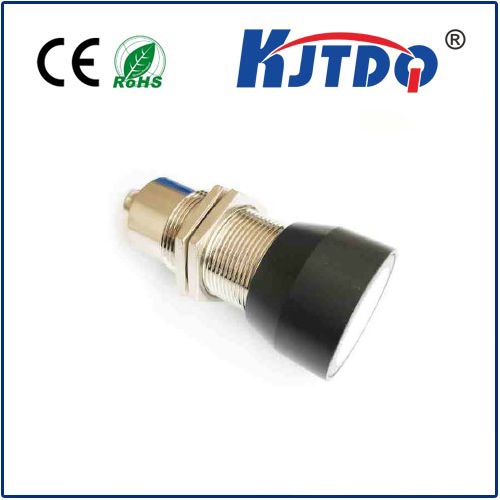
In the realm of industrial automation, achieving flawless object detection is not just a goal—it's a fundamental requirement for efficiency and safety. Among the myriad of solutions available, the photoelectric sensor stands as a cornerstone technology. Today, we delve into the specifics of one such advanced component: the V180-2 series photoelectric sensor. This model represents a significant leap in sensing technology, designed to meet the rigorous demands of modern manufacturing and logistics environments.
The core principle behind the V180-2, like all photoelectric sensors, involves the emission of a light beam—typically infrared, visible red, or laser—and the detection of changes in that beam. These changes occur when an object interrupts or reflects the light, triggering an electrical output signal. What sets the V180-2 apart is its refined engineering. It offers exceptional precision in detection, capable of identifying minute objects or discerning subtle differences in surface properties. This makes it indispensable in applications ranging from packaging lines, where it ensures correct product placement, to material handling systems, where it counts items on a high-speed conveyor.
A key feature of the V180-2 series is its robust construction. Engineered for durability, these sensors are built to withstand harsh industrial conditions, including exposure to dust, moisture, and mechanical vibrations. Many models in this series come with an IP67 rating, ensuring reliable operation even in challenging environments. This resilience translates directly into reduced downtime and lower maintenance costs, providing a strong return on investment for facility managers.
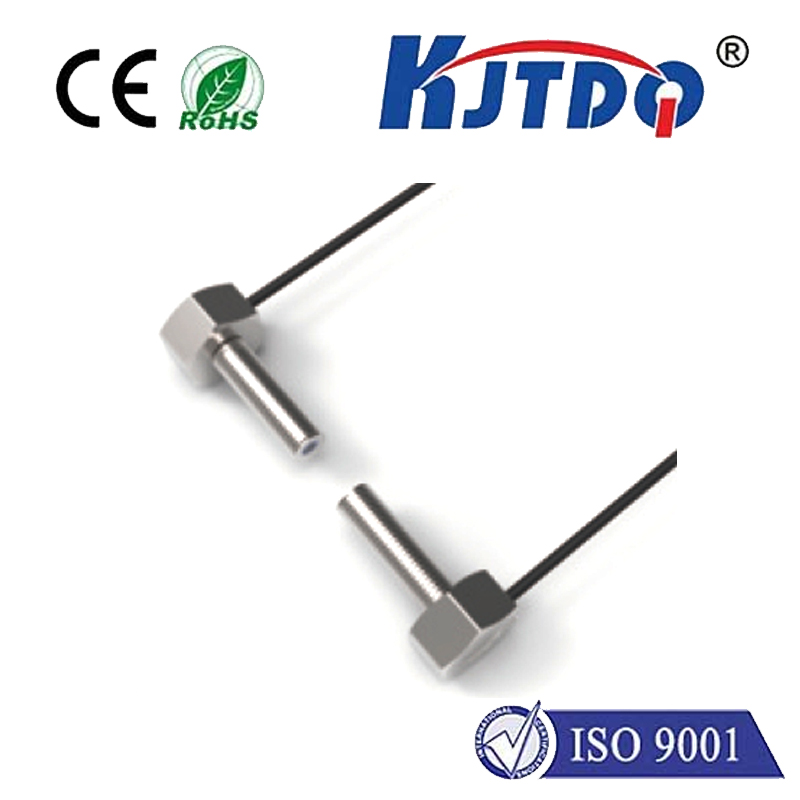
Versatility is another hallmark of the V180-2. It is available in various sensing modes to suit different application needs. The through-beam type, with separate emitter and receiver units, offers the longest sensing range and highest reliability for clear detection. The retro-reflective type uses a reflector, simplifying installation while maintaining a good range. Finally, the diffuse-reflective type houses both emitter and receiver in a single housing, detecting objects based on the light reflected directly from the target's surface. This flexibility allows the V180-2 to be deployed in complex layouts where space and mounting options are limited.
Installation and setup of the V180-2 sensor are streamlined for user convenience. Many models feature intuitive alignment indicators, such as a visible red beam or a stable LED, which aids in precise positioning during setup. The stable sensing performance minimizes false triggers, a common pain point in automated systems. Furthermore, advanced models may include teach-in functionality or sensitivity adjustments, allowing technicians to fine-tune the sensor's response to specific materials or environmental conditions without complex programming.
When integrating the V180-2 into a control system, its compatibility is a major advantage. It typically provides standard output types like NPN or PNP transistor outputs, easily interfacing with Programmable Logic Controllers (PLCs), relays, and other industrial control components. This plug-and-play compatibility accelerates system integration and simplifies troubleshooting.
The practical applications for the V180-2 photoelectric sensor are vast. In the automotive industry, it ensures robotic arms accurately pick and place components. In food and beverage production, it verifies fill levels and cap placement on bottles. In warehouse automation, it serves as a critical component for position verification on automated guided vehicles (AGVs) and for parcel dimensioning systems. Its high-speed response makes it perfect for tasks requiring rapid succession detection, ensuring production lines maintain optimal throughput.
Selecting the right sensor for a job is crucial. For the V180-2 series, considerations include the required sensing distance, the size and material of the target object, the ambient light conditions, and the necessary response time. Consulting technical datasheets and, when in doubt, engaging with sensor specialists can ensure the selected model delivers peak performance for its intended use case.
In conclusion, the V180-2 photoelectric sensor is more than just a component; it is a vital enabler of precision, reliability, and intelligence in automated systems. Its combination of accurate detection, environmental toughness, and operational flexibility makes it a trusted choice for engineers seeking to enhance their system's capabilities. As industries continue to evolve towards greater connectivity and smarter machines, dependable sensing solutions like the V180-2 will remain at the heart of innovation, driving productivity and ensuring consistent quality in every operation.