check

check

check

check

check

check
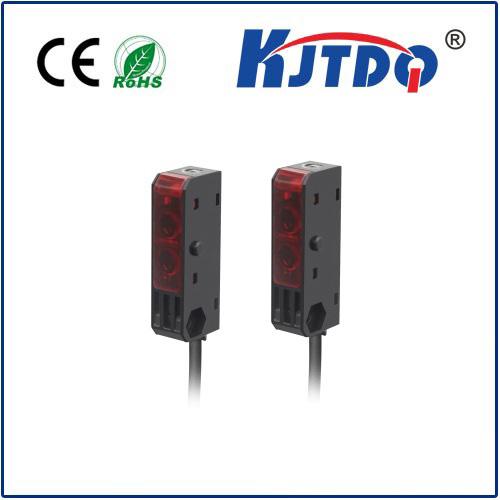
In today's interconnected world, the seamless interaction between users and their devices is paramount. A key component enabling this intuitive experience is often overlooked: the proximity sensor. These small yet powerful electronic components are fundamental in modern technology, from smartphones and tablets to automotive systems and industrial automation. By detecting the presence or absence of nearby objects without physical contact, proximity sensors facilitate smarter, more efficient, and safer device operation.
The core principle behind a proximity sensor involves emitting an electromagnetic field or a beam of radiation, such as infrared light, and then looking for changes in the field or return signal. The most common type found in consumer electronics is the infrared (IR) proximity sensor. In a smartphone, for instance, this sensor detects when a user brings the phone close to their ear during a call. This triggers the screen to turn off, preventing accidental touch inputs and conserving battery life. This simple function significantly enhances usability and power management, demonstrating how a minor component can have a major impact on daily technology use.
Beyond personal devices, proximity sensors play a critical role in automotive safety. They are integral to parking assistance systems, alerting drivers to obstacles that are not easily visible. In advanced driver-assistance systems (ADAS), these sensors contribute to features like blind-spot monitoring and collision avoidance, creating a safer driving environment. The reliability and instantaneous response of these sensors are crucial for such life-saving applications, where a millisecond's delay can make a profound difference.
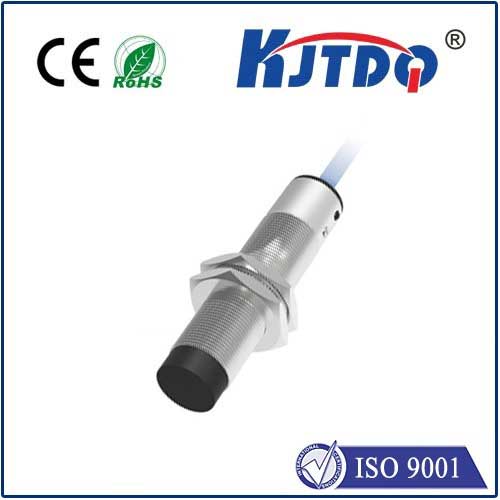
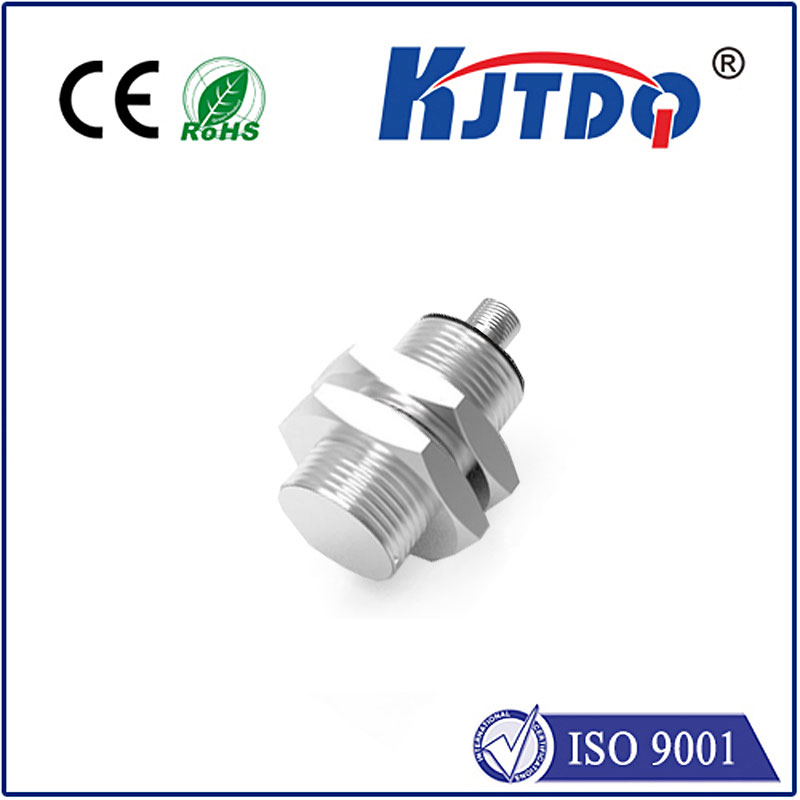
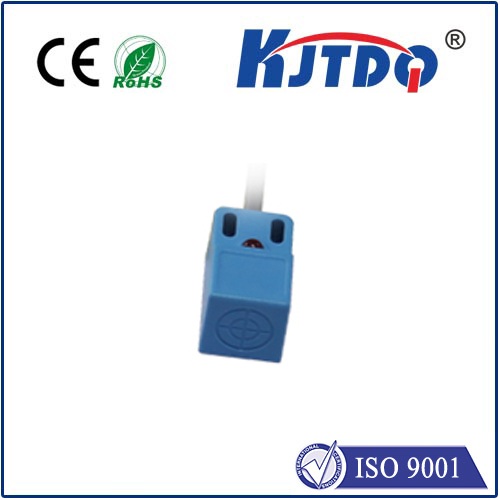
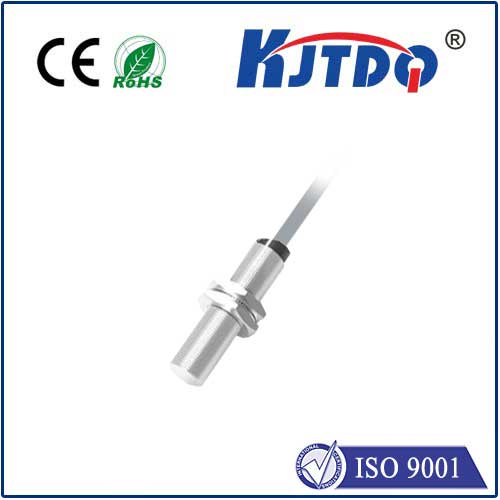
Industrial and manufacturing sectors heavily rely on various types of proximity sensors, including inductive, capacitive, and ultrasonic models. On automated production lines, inductive sensors detect metallic objects to count products or confirm the position of machine parts, ensuring precision and continuity in high-speed operations. Capacitive sensors can detect both metallic and non-metallic materials like liquids or plastics, making them ideal for level detection in tanks or controlling material handling systems. This automation, driven by sensor input, boosts productivity, minimizes waste, and enhances worker safety by keeping personnel away from hazardous machinery.
The evolution of the Internet of Things (IoT) and smart home devices has further expanded the applications for proximity sensing. Automatic faucets and soap dispensers in public restrooms use these sensors to promote hygiene and reduce water waste. Smart lighting systems can detect a person's presence in a room, turning lights on or off to improve energy efficiency. Even in retail, proximity sensors can trigger interactive displays as customers approach, creating engaging shopping experiences. The versatility of this technology is a testament to its foundational role in building responsive and intelligent environments.
When selecting a proximity sensor for a specific application, several factors must be considered. Sensing range, response time, material compatibility, and environmental conditions like dust, moisture, or temperature extremes are all critical. For example, an ultrasonic sensor might be chosen for a harsh industrial setting where dirt could obstruct an optical sensor's beam. Understanding these parameters ensures optimal performance and longevity of the sensor within its operational ecosystem.
Looking ahead, the integration of proximity sensors with artificial intelligence and machine learning algorithms promises even greater advancements. Smarter context-aware devices could interpret more complex scenarios, such as distinguishing between intentional and accidental proximity. In robotics, enhanced proximity detection will lead to more nuanced and safer human-robot collaboration. As technology continues to advance toward more ambient and intuitive interfaces, the humble proximity sensor will remain an indispensable enabler, quietly working in the background to make our interactions with machines more natural and efficient. Its ongoing development is not just about detecting presence; it's about creating a more responsive and intelligent world.