check

check

check

check

check

check
In the world of industrial automation and smart devices, the ability to detect objects without physical contact is not just a convenience—it's a revolution. At the heart of this revolution lies the electronic proximity sensor, a critical component that has transformed manufacturing lines, enhanced safety systems, and enabled the creation of intuitive user interfaces. This guide delves into the core technology, diverse applications, and key benefits of these indispensable devices.
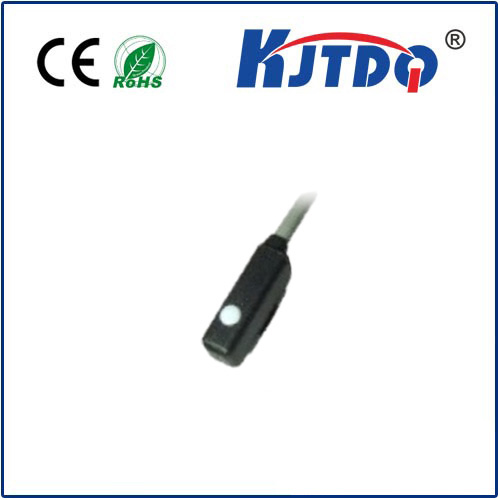
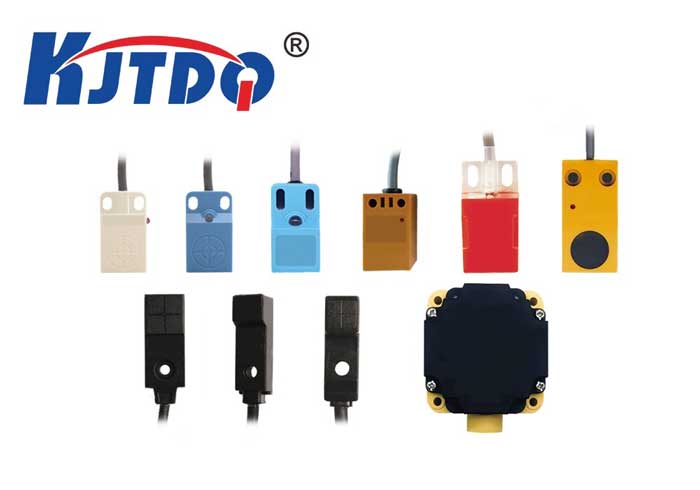
An electronic proximity sensor is a non-contact device designed to detect the presence or absence of an object within its sensing range. Unlike mechanical switches that require physical touch, these sensors use various physical principles to sense targets, thereby eliminating wear and tear and enabling high-speed, reliable operation. The most common types include inductive, capacitive, and photoelectric sensors, each suited for specific materials and environments.
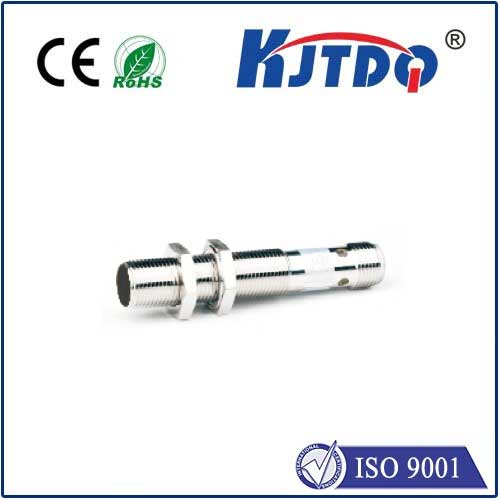
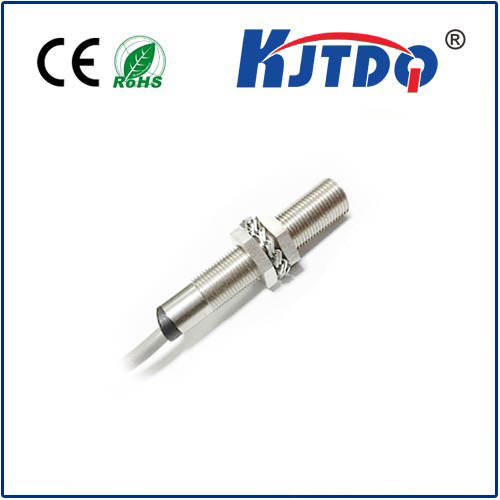
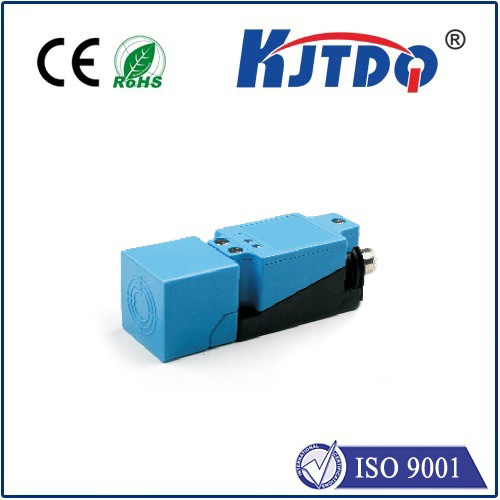
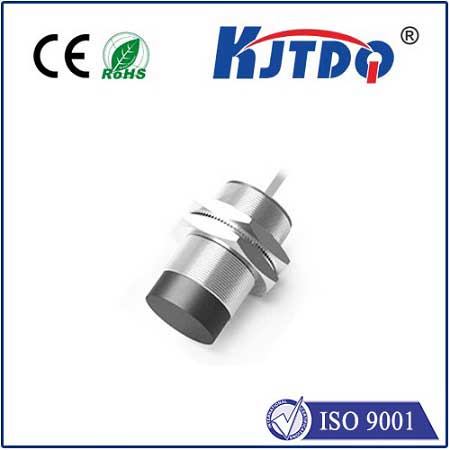
Inductive proximity sensors are the workhorses of metal detection. They generate an electromagnetic field. When a metallic object enters this field, it causes a change in the oscillation amplitude, which the sensor's circuitry detects. This makes them ideal for harsh industrial settings—think counting metal parts on a conveyor belt, determining the position of a robotic arm, or ensuring a machine door is securely closed. Their robustness against dirt, dust, and moisture makes them exceptionally reliable.
For non-metallic materials like wood, plastic, glass, or liquids, capacitive proximity sensors come into play. They function by detecting changes in capacitance. The sensor forms one plate of a capacitor, and the target object (or even a material with a different dielectric constant) forms the other. This versatility allows them to be used in level detection for tanks containing liquids or granules, material handling for packaging lines, and even as touch-sensitive buttons in consumer electronics.
Photoelectric sensors, another major category, use a beam of light (visible, infrared, or laser) to detect objects. They can be configured in through-beam, retro-reflective, or diffuse reflection modes. Their long sensing ranges and ability to detect virtually any material make them perfect for complex tasks like object counting on high-speed bottling lines, edge guiding in web processing, or ensuring passenger safety at automatic subway doors.
The advantages of integrating electronic proximity sensors into any system are profound. First and foremost is reliability. With no moving parts to wear out, they offer exceptionally long service life and minimal maintenance. Their non-contact nature allows for incredibly high switching frequencies, enabling detection in fast-paced production environments where mechanical limits would be a bottleneck. Furthermore, they are inherently safer, preventing damage to both the sensor and the delicate objects being sensed.
Modern advancements continue to push the boundaries. Today's sensors are smaller, smarter, and more integrated. Features like IO-Link communication allow for parameter setting, condition monitoring, and seamless integration into Industry 4.0 frameworks. Engineers can now remotely diagnose sensor health, predict maintenance needs, and adjust sensing distances on the fly, maximizing uptime and operational efficiency.
From the automated factory floor to the smartphone in your pocket, electronic proximity sensors are a silent yet powerful force. They ensure precision, enhance safety, and drive efficiency across countless applications. Whether optimizing a complex assembly process or adding a simple touchless control, understanding and selecting the right proximity sensor technology is a fundamental step toward building smarter, more responsive, and more reliable systems.