check

check

check

check

check

check
In the intricate world of industrial automation, where precision and reliability are non-negotiable, a silent class of components works tirelessly to ensure seamless operations. Among these, electric sensor proximity switches stand out as fundamental, yet often overlooked, elements. These devices, which detect the presence or absence of an object without physical contact, are the cornerstone of countless automated processes, from assembly lines and robotic arms to packaging machinery and safety systems.
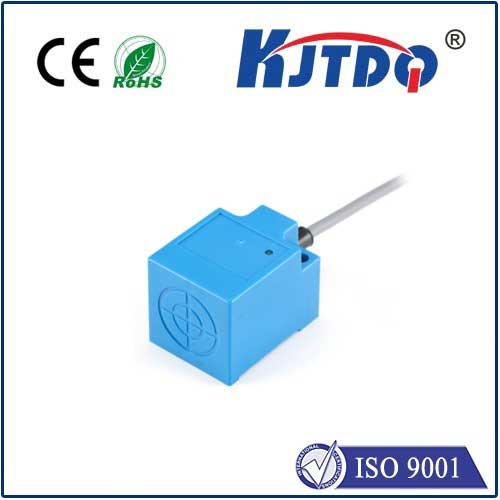
Unlike mechanical limit switches that require physical touch, electric proximity switches operate on various principles such as inductive, capacitive, ultrasonic, or photoelectric sensing. Inductive sensors, for instance, are ideal for detecting metallic objects, generating an electromagnetic field that is disturbed by a metal target, thereby triggering a switch signal. Capacitive sensors can detect a wider range of materials, including liquids and plastics, by measuring changes in capacitance. This versatility makes them indispensable in diverse environments, ensuring that whether the task involves counting bottles on a conveyor belt or positioning a metal component with micron-level accuracy, there is a proximity switch designed for the job.
The integration of these switches into modern control systems, particularly Programmable Logic Controllers (PLCs), has revolutionized manufacturing. They provide the critical input data that PLCs use to make real-time decisions, controlling motors, actuators, and other outputs. This creates a closed-loop system where feedback is instantaneous and actions are precise. For example, in an automotive welding station, an array of inductive proximity switches confirms the correct positioning of a car door before the robotic welder is activated, preventing costly errors and ensuring consistent quality.
Beyond basic detection, advanced features have elevated their role. Many modern proximity switches offer IO-Link communication, a point-to-point serial connection that allows for detailed parameter setting, continuous process data monitoring, and advanced diagnostics. This transforms them from simple binary sensors into intelligent nodes within the Industrial Internet of Things (IIoT) ecosystem. Maintenance teams can receive predictive alerts about potential failures, and production parameters can be adjusted on-the-fly from a central control room, minimizing downtime and optimizing efficiency.
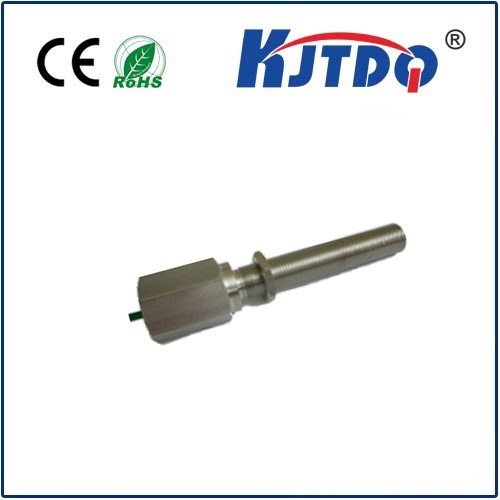
Durability is another key strength. Housed in robust, often stainless-steel or nickel-plated brass bodies, these sensors are built to withstand harsh industrial environments. They are resistant to dust, moisture, oils, and vibrations—common challenges in factories and processing plants. This rugged construction ensures long service life and consistent performance, which translates directly into lower total cost of ownership and higher overall equipment effectiveness (OEE).
When selecting an electric sensor proximity switch, several factors demand careful consideration. The sensing distance, or range, must be appropriate for the application to avoid false triggers or missed detections. The target material’s properties directly influence the choice of sensing technology. Environmental conditions like temperature extremes, presence of chemicals, or washdown requirements dictate the needed ingress protection (IP) rating. Furthermore, the output type—be it NPN, PNP, analog, or IO-Link—must be compatible with the existing control architecture.
Looking ahead, the evolution of electric sensor proximity switches is intertwined with the broader trends of Industry 4.0. As systems demand greater data granularity and connectivity, these sensors will become even smarter and more integrated. The fusion of sensing with edge computing capabilities will enable localized data processing and decision-making, further enhancing speed and reliability. Their role as the fundamental "touchless" interface between the physical and digital worlds will only grow more critical, solidifying their status as the invisible guardians of automated efficiency, safety, and productivity. From ensuring a bottle is properly filled to safeguarding personnel around heavy machinery, their silent, unwavering operation is a testament to engineered precision, driving the modern industrial landscape forward one non-contact detection at a time.