check

check

check

check

check

check
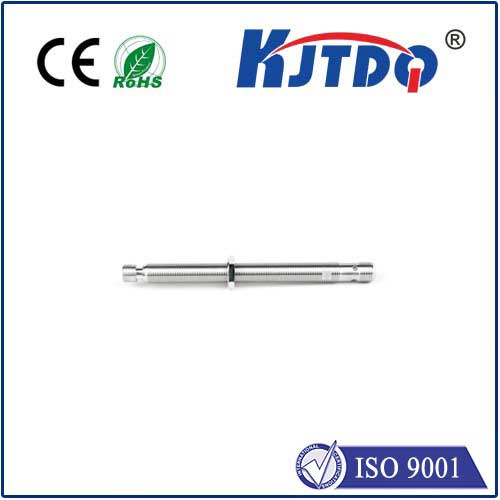
In the rapidly evolving landscape of industrial automation, the demand for reliable and precise sensing technology is paramount. The Proximity Sensor TPC W8H emerges as a pivotal component in this domain, designed to meet the rigorous requirements of modern manufacturing and control systems. This sensor exemplifies innovation, offering unparalleled accuracy in detecting the presence or absence of objects without physical contact, thereby minimizing wear and tear and ensuring long-term operational stability.
The TPC W8H model is engineered with advanced features that cater to diverse industrial applications. Its robust construction allows it to withstand harsh environments, including exposure to dust, moisture, and extreme temperatures. This durability makes it an ideal choice for sectors such as automotive assembly, packaging machinery, and material handling systems. By integrating this proximity sensor, businesses can achieve enhanced efficiency through automated processes that reduce manual intervention and human error.
One of the key advantages of the Proximity Sensor TPC W8H is its high sensitivity and fast response time. This enables real-time monitoring and control, which is crucial for maintaining production line speed and quality. The sensor operates on inductive principles, detecting metallic objects with precision, and its compact design facilitates easy installation in space-constrained setups. Furthermore, it supports various output configurations, ensuring compatibility with different control units and programmable logic controllers (PLCs).
In practical scenarios, the TPC W8H contributes to safety improvements by preventing collisions and malfunctions in automated equipment. For instance, in robotic arms used for welding or assembly, the sensor ensures accurate positioning, thereby reducing downtime and enhancing overall productivity. Its low power consumption also aligns with sustainability goals, making it an eco-friendly addition to industrial setups.
The integration of the Proximity Sensor TPC W8H into existing systems is straightforward, thanks to its user-friendly interface and standardized mounting options. Regular maintenance is minimal, as the non-contact operation eliminates the need for frequent replacements. This translates to cost savings over the sensor's lifecycle, providing a strong return on investment for enterprises.
As industries continue to embrace Industry 4.0 and smart manufacturing, the role of sensors like the TPC W8H becomes increasingly vital. They form the backbone of data-driven decision-making, enabling predictive maintenance and optimizing resource allocation. By leveraging this technology, companies can stay competitive in a global market that values precision, reliability, and innovation.
In summary, the Proximity Sensor TPC W8H stands out as a reliable solution for enhancing industrial automation. Its combination of durability, accuracy, and efficiency makes it a valuable asset for any operation seeking to improve performance and reduce operational costs. As technology advances, such sensors will undoubtedly play a central role in shaping the future of automated industries.