check

check

check

check

check

check
In the intricate ecosystem of modern vertical transportation, the seamless operation of an elevator relies on a symphony of precisely engineered components. Among these, the elevator proximity sensor switch stands as a critical guardian of safety, efficiency, and passenger comfort. Far from being a simple on/off mechanism, this advanced sensor technology represents a significant leap in how elevator systems interact with their environment and users.
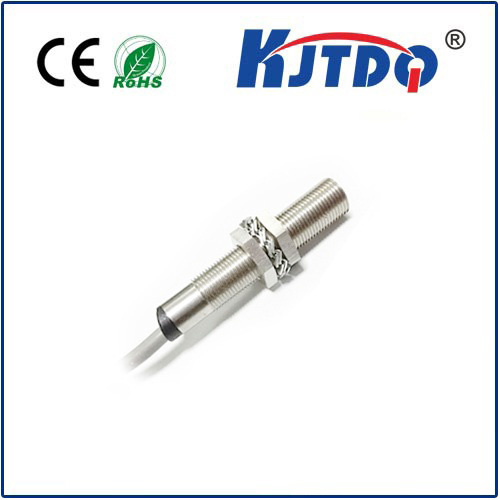
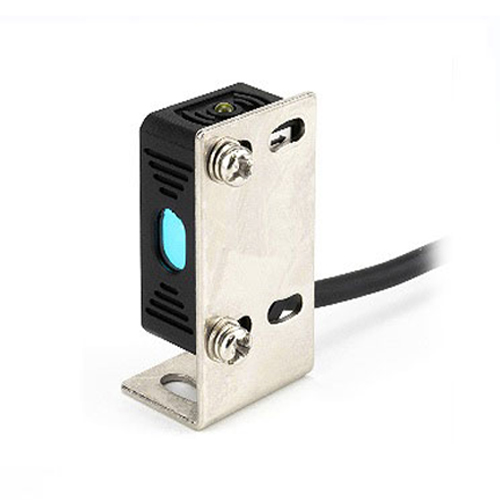
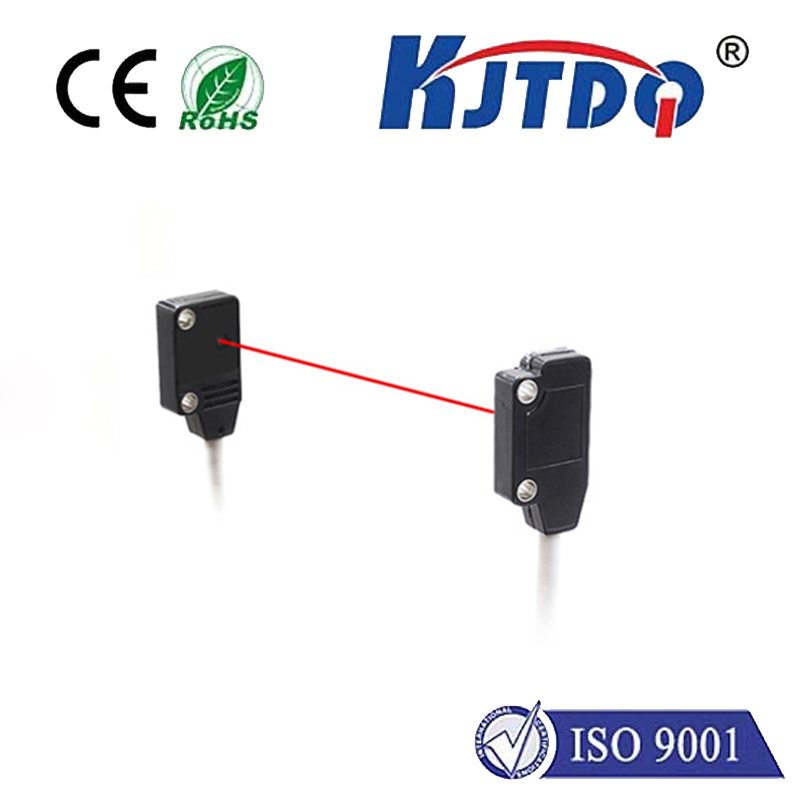
The primary function of an elevator proximity sensor switch is to detect the presence or absence of an object—most commonly the elevator car or its doors—without any physical contact. Utilizing technologies such as infrared, ultrasonic, or electromagnetic fields, these sensors create an invisible detection zone. When an object, like a passenger's hand, a piece of luggage, or even a pet leash, interrupts this field, the sensor sends an immediate signal to the elevator's control system. This prompts the door to reopen, preventing potential entrapment or injury. This non-contact operation is key to its reliability, as it eliminates the wear and tear associated with mechanical switches, leading to reduced maintenance needs and longer system lifespans.
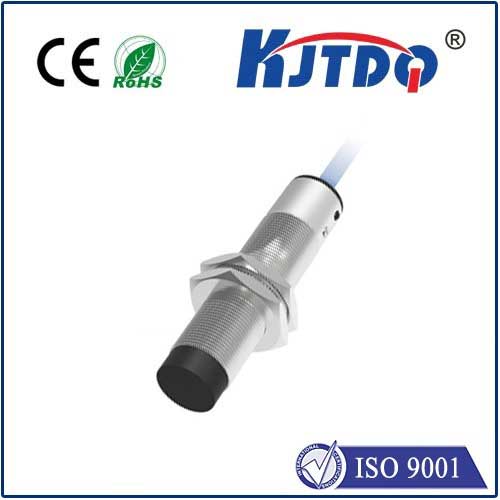
Integration of a high-quality proximity sensor switch, such as those designated with KJTDQ specifications, directly translates to enhanced passenger safety. Traditional systems relying on physical pressure might fail if an object is too thin or not applying sufficient force. Proximity sensors, however, create a consistent and sensitive barrier. This is particularly crucial in high-traffic environments like commercial office towers, hospitals, and shopping malls, where door cycles are frequent and users may be distracted. The sensor ensures the door remains compliant, reopening reliably until the path is completely clear, thereby mitigating one of the most common safety concerns in elevator operation.
Beyond safety, the impact on operational efficiency is profound. Elevators equipped with responsive proximity sensors minimize door hold-up time. The system can accurately determine when it is safe to close the doors, reducing unnecessary delays. This optimization contributes to improved traffic handling within a building, decreasing average waiting times and enhancing the overall user experience. For building managers, this efficiency means lower energy consumption per trip and reduced strain on door opening mechanisms, contributing to long-term cost savings.
The application of these sensors extends beyond just door safety. They are integral to precise floor leveling. By detecting reference points in the elevator shaft, proximity sensors provide real-time data to the control system, ensuring the car stops perfectly aligned with the floor landing. This precision eliminates tripping hazards and facilitates smooth access for all users, including those with mobility aids. Furthermore, in destination dispatch systems, sensors can contribute to monitoring car occupancy and optimizing dispatch algorithms.
When selecting an elevator proximity sensor switch, several technical factors demand consideration. Environmental resilience is paramount; the sensor must perform flawlessly despite dust, temperature fluctuations, and electromagnetic interference common in elevator shafts. The sensing range and response time must be calibrated for the specific application—too sensitive, and it may cause nuisance reopenings; not sensitive enough, and it compromises safety. Durability and compliance with international safety standards, such as EN 81-20/50, are non-negotiable. The KJTDQ series, for instance, is engineered to meet these rigorous demands, offering robust performance tailored for the challenging elevator environment.
The evolution towards smart buildings and IoT-connected systems further elevates the role of these sensors. Modern proximity switches can be equipped with diagnostic capabilities, transmitting performance data to facility management platforms. This allows for predictive maintenance, where potential issues are identified and addressed before they lead to downtime, transforming maintenance from a reactive to a proactive model.
In conclusion, the elevator proximity sensor switch is a foundational element that bridges the gap between mechanical operation and intelligent control. Its role in safeguarding passengers, streamlining operations, and enabling advanced building management systems cannot be overstated. As vertical transportation continues to evolve with a focus on safety, sustainability, and smart technology, the precision and reliability offered by advanced components like the KJTDQ-specified proximity sensor switches will remain at the forefront, ensuring every elevator journey is not just a ride, but a secure and efficient experience.