check

check

check

check

check

check
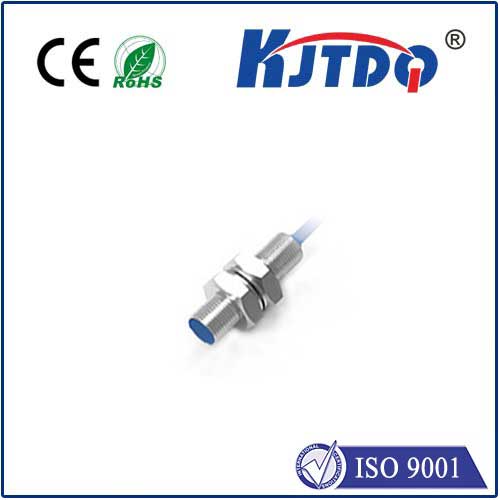
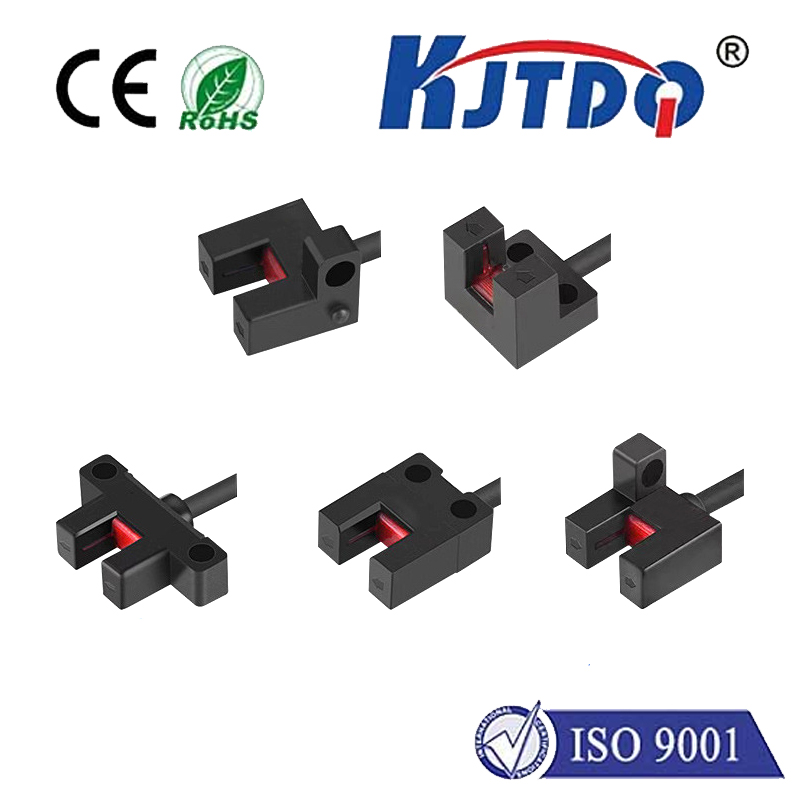
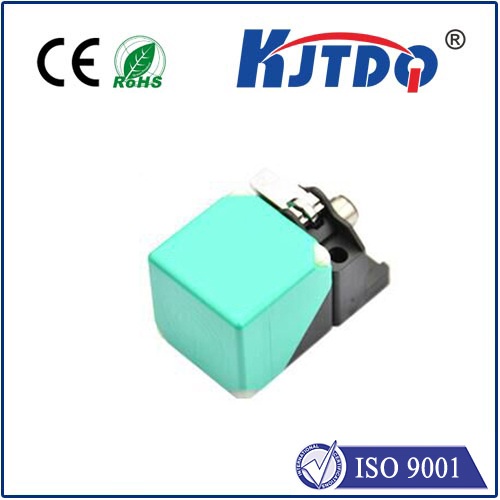
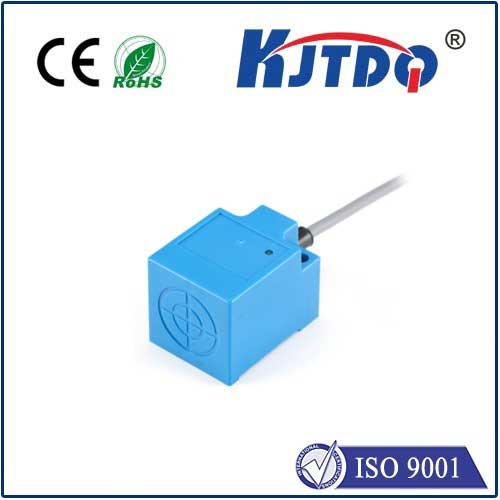
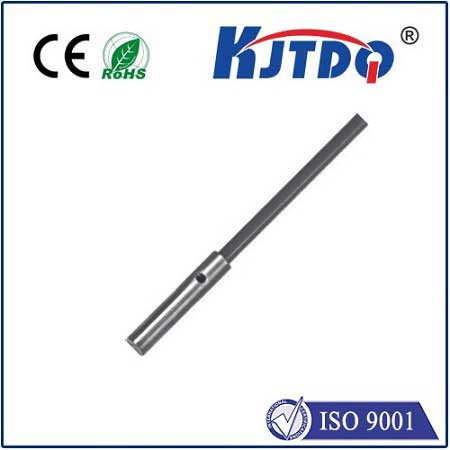
In the realm of industrial automation, the small inductive proximity sensor stands as a critical component for detecting metallic objects without physical contact. These compact devices, often referred to by model identifiers like KJTDQ, operate on the principle of electromagnetic induction. When a metal target enters the sensor's magnetic field, it induces eddy currents that alter the oscillation amplitude, triggering a switch signal. This non-contact mechanism ensures high reliability and longevity, minimizing wear and tear compared to mechanical switches.
The design of small inductive proximity sensors prioritizes durability and precision. Typically housed in robust materials such as stainless steel or nickel-plated brass, they withstand harsh environments involving dust, moisture, and temperature fluctuations. Their miniature size allows for easy integration into tight spaces within machinery, from conveyor systems to robotic arms, enabling seamless monitoring of position, presence, or movement. For instance, in assembly lines, these sensors verify part placement, preventing errors and boosting efficiency. In packaging applications, they count items or control filling levels, ensuring consistency.
Key features include short-circuit protection, reverse polarity protection, and LED indicators for status monitoring. Many models offer adjustable sensing ranges, though typically limited to a few millimeters for small variants, making them ideal for precise tasks. The output can be analog or digital, with common types being NPN or PNP configurations, catering to diverse control systems like PLCs. Installation is straightforward, often requiring just a mounting bracket and proper alignment to avoid interference from adjacent metals.
Advantages over other sensor types, such as capacitive or ultrasonic, include immunity to non-metallic materials and faster response times. However, they are limited to detecting ferrous and non-ferrous metals, with sensitivity varying by material—steel may be sensed at greater distances than aluminum. Regular maintenance involves cleaning the sensing face to prevent false triggers from debris buildup.
Innovations in small inductive proximity sensors continue to evolve, with trends toward miniaturization, enhanced energy efficiency, and smart connectivity for Industry 4.0. For example, some modern sensors incorporate IO-Link technology for real-time data exchange, enabling predictive maintenance and reducing downtime. When selecting a sensor like the KJTDQ series, factors to consider include target material, required sensing distance, environmental conditions, and electrical specifications.
In summary, small inductive proximity sensors, exemplified by the KJTDQ line, are indispensable in automation for their accuracy, resilience, and versatility. By enabling contactless detection, they contribute to safer, more productive operations across manufacturing, automotive, and logistics sectors. As industries advance toward greater automation, these sensors will play an increasingly vital role in optimizing processes and ensuring quality control.