check

check

check

check

check

check
In the realm of industrial automation and electronic control, the ability to detect the presence or absence of an object without physical contact is fundamental. Among the various technologies enabling this, the 3-wire NPN proximity sensor stands out as a ubiquitous and reliable solution. This guide delves into the workings, applications, and key considerations of this essential component, providing a clear understanding for engineers, technicians, and enthusiasts alike.
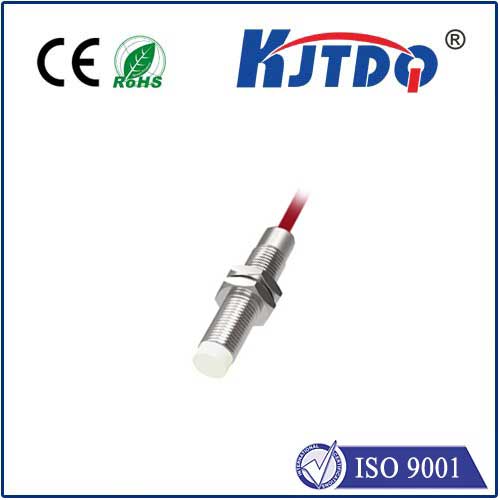
At its core, a proximity sensor is a device that detects nearby objects. The "3-wire" designation refers to its electrical connection configuration: typically comprising a positive supply voltage wire (usually brown), a negative or ground wire (blue), and a signal output wire (black). The "NPN" part is crucial, defining the type of transistor used in the sensor's output switching circuit. In an NPN sensor, the output acts as a switch to ground. When the sensor detects a target within its sensing range, it activates the internal NPN transistor, connecting the output signal wire to the common ground (0V). This creates a sinking current path, meaning the load (like a PLC input or relay) must be connected between the positive supply voltage and the sensor's output wire. The load receives power and completes the circuit when the sensor's output switches "on" by sinking current to ground.
This contrasts with its counterpart, the PNP sensor, where the output switches the positive voltage. Understanding this distinction is critical for correct system integration to avoid damage or malfunction. The 3-wire design offers a self-contained unit that requires an external power supply but provides a clear digital signal, making it simpler and often more cost-effective than 2-wire versions in many DC applications.
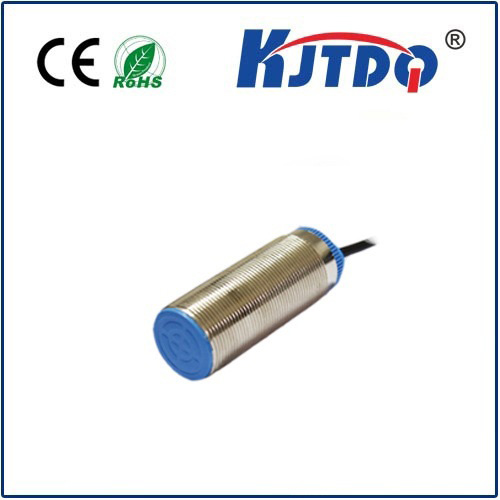
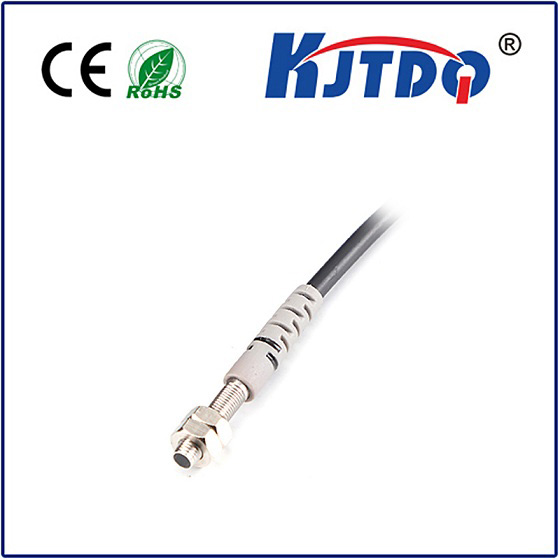
The operational principle behind most 3-wire NPN proximity sensors is inductive sensing. They generate an oscillating electromagnetic field from a coil. When a metallic object (ferrous or non-ferrous, depending on the sensor type) enters this field, it induces eddy currents in the target, which dampens the oscillation. The sensor's circuitry detects this change and triggers the solid-state NPN output switch. This makes them ideal for detecting metals in harsh environments where dirt, oil, or moisture are present, as there is no mechanical contact to wear out.
Key specifications to consider when selecting a 3-wire NPN proximity sensor include sensing distance, which is typically nominal and non-adjustable, supply voltage range (commonly 10-30V DC), output current capacity, response frequency, and housing material (often nickel-plated brass or stainless steel for durability). Environmental factors like temperature extremes, chemical exposure, and electrical noise immunity are also vital selection criteria.
The applications for these sensors are vast and varied. They are the workhorses on assembly lines, used for part counting, position verification, and end-of-travel detection on machinery. In packaging systems, they ensure correct bottle or box placement. Robotics relies on them for precise arm positioning and object detection. Their robust, contactless nature makes them perfect for environments where mechanical limit switches would fail prematurely.
Installation and wiring require attention to detail. Ensuring the correct voltage polarity is connected is paramount. The load must be compatible with the sensor's sinking (NPN) output logic. Proper shielding and separation from high-power cables can prevent electromagnetic interference. Many sensors feature LED indicators that provide visual confirmation of power and detection status, greatly aiding in setup and troubleshooting.
In summary, the 3-wire NPN proximity sensor is a cornerstone of modern industrial control. Its simple yet robust design, based on the sinking output principle of an NPN transistor, provides a reliable means of non-contact metallic object detection. By mastering its operation, specifications, and correct application, professionals can design and maintain more efficient, reliable, and automated systems. Whether you are implementing a new production cell or troubleshooting an existing machine, a solid grasp of this sensor's functionality is an invaluable asset in the world of automation.