check

check

check

check

check

check
In the bustling arteries of modern urban life—airports, shopping malls, subway stations, and commercial complexes—escalators serve as vital conduits for moving large volumes of people efficiently. However, this constant flow of passengers presents inherent safety challenges. Entrapments, collisions, and falls remain persistent concerns for facility managers and public safety officials worldwide. This is where the often-overlooked yet critical technology of escalator proximity sensors comes into play, acting as a silent guardian to prevent accidents before they occur.
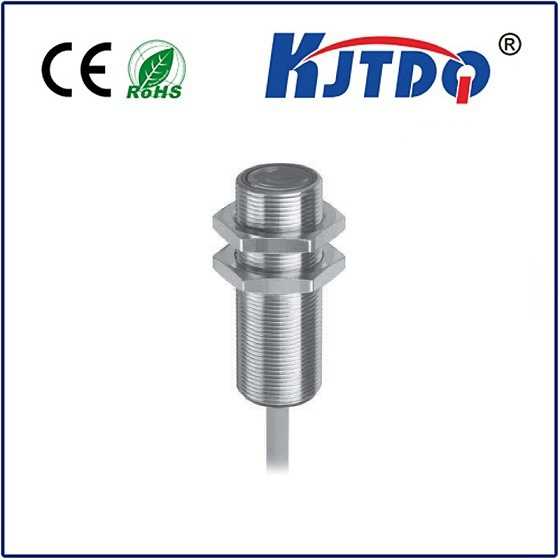
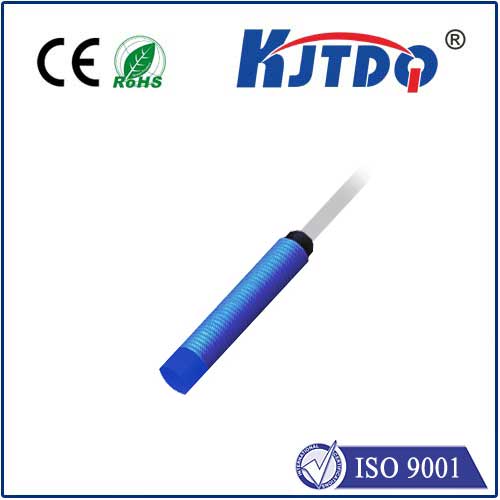
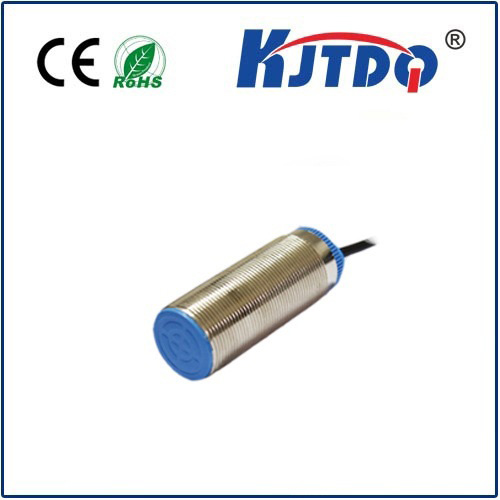
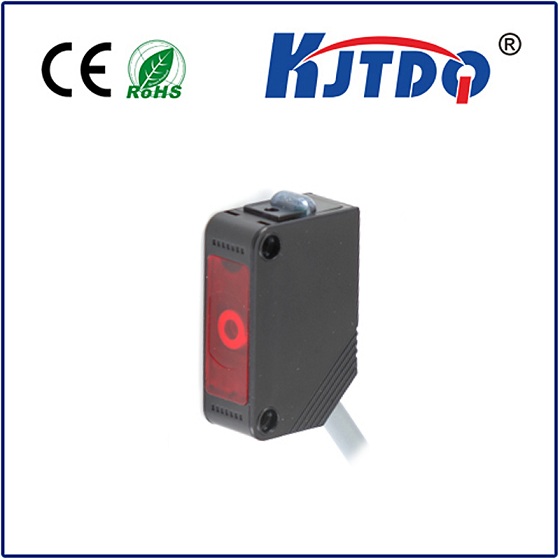
Unlike traditional mechanical safety devices that react to physical contact, modern proximity sensors represent a paradigm shift towards proactive prevention. These sophisticated electronic devices, typically based on infrared, ultrasonic, or microwave technology, create an invisible detection field around key hazard zones on an escalator. The primary zones of protection include the skirt board (the vertical panels on either side of the steps), the step and handrail entry points (combs), and the triangular danger zone at the bottom of the escalator. When a passenger's clothing, limb, or luggage breaches this detection field, the sensor sends an instantaneous signal to the escalator's control system. The system can then initiate a series of automated safety protocols, most commonly triggering an immediate but gentle slowdown or a complete stop of the escalator. This rapid intervention is crucial in preventing serious injuries, such as entrapment where loose shoelaces or flowing garments get caught in the moving parts.
The evolution of this technology has been significant. Early systems were prone to false alarms triggered by environmental factors like dust or humidity, leading to unnecessary stoppages and passenger inconvenience. Today's advanced escalator proximity sensors incorporate intelligent algorithms and adaptive sensitivity. They can distinguish between a genuine safety threat—like a child's hand lingering too close to the skirt—and harmless, transient interruptions like a passing shadow or a piece of litter. This intelligence is powered by microprocessors that analyze the signal's duration, shape, and intensity, drastically reducing nuisance stops while maintaining the highest level of vigilance. For facility managers, this translates to enhanced public safety without compromising operational efficiency or causing frequent disruptions that erode public trust in the transportation system.
The benefits of integrating high-quality proximity sensors extend far beyond immediate accident prevention. Firstly, they contribute significantly to risk management and liability reduction for property owners and operators. By deploying a proven, automated safety layer, they demonstrate due diligence in protecting passengers, which is paramount in today's litigious environment. Secondly, these sensors aid in predictive maintenance. By logging detection events and operational data, they can provide valuable insights into near-miss patterns or high-traffic stress points on the escalator. Maintenance teams can use this data to schedule proactive repairs or adjustments before a minor issue escalates into a major mechanical failure, thereby extending the equipment's lifespan and ensuring smoother long-term operation.
When specifying or maintaining escalator proximity sensors, several key factors demand attention. The sensor's detection range and angle must be precisely calibrated for the specific escalator model and installation environment. The housing must be robust enough to withstand vibration, electromagnetic interference from other building systems, and the rigors of a 24/7 public operation. Furthermore, compliance with international safety standards, such as EN 115 for escalator safety, is non-negotiable. Regular testing and calibration are essential, as the performance of these electronic components can drift over time due to temperature fluctuations or component aging. A best practice is to integrate sensor functionality checks into the routine daily start-up procedure of the escalator.
Looking ahead, the future of escalator safety is intelligent and interconnected. The next generation of proximity sensors is likely to be integrated into the Internet of Things (IoT) ecosystem of smart buildings. Imagine sensors that not only stop the escalator but also instantly alert central control rooms, dispatch maintenance alerts to technicians' mobile devices, and even provide anonymized data to urban planners about passenger flow patterns. Research is also ongoing into sensor fusion, combining proximity data with video analytics from CCTV systems to create a multi-layered, contextual understanding of the escalator environment, further minimizing risks.
In conclusion, while passengers may never notice them, escalator proximity sensors are fundamental components of public infrastructure safety. They embody the principle that the best accident is the one that never happens. By creating an intelligent, invisible shield, this technology ensures that the simple act of moving between floors remains safe, reliable, and seamless for millions of people every single day. Investing in and maintaining state-of-the-art proximity sensing systems is not merely a regulatory compliance issue; it is a core commitment to safeguarding human well-being in our vertically connected world.