check

check

check

check

check

check
In the realm of industrial automation, the reliable detection of objects is paramount. Among the various sensing technologies available, the PNP proximity sensor stands out as a fundamental and widely adopted component. This guide delves into the operational principles, key characteristics, and practical applications of PNP proximity sensors, providing essential knowledge for engineers and technicians.
At its core, a proximity sensor is a device that detects the presence or absence of an object within a specified range without physical contact. It achieves this by emitting an electromagnetic field or a beam of electromagnetic radiation and looking for changes in the field or return signal. The "PNP" designation refers to the type of transistor output the sensor uses. In a PNP sensor, the output wire switches the positive voltage to the load. When the sensor is inactive (no target detected), the output is in a high-impedance state (essentially open). Upon detecting a target, the sensor activates, connecting the output line to the positive supply voltage, thereby allowing current to flow from the sensor to the load. This is often described as "sourcing" current.
This contrasts with NPN sensors, which switch the negative or ground side. The choice between PNP and NPN is crucial and often depends on the prevailing electrical conventions of the control system, such as a Programmable Logic Controller (PLC). Many systems in Europe and Asia are designed for PNP input cards, making PNP sensors the standard choice there, while NPN is more common in some other regions. Understanding this distinction prevents wiring errors and ensures compatibility.
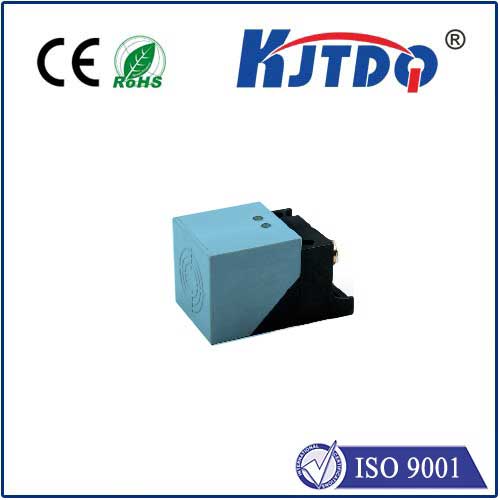
PNP proximity sensors come in various types based on their sensing technology. Inductive sensors are the most common for detecting metallic objects. They generate an oscillating electromagnetic field. When a metal target enters this field, it induces eddy currents, which dampen the oscillation. The sensor's circuitry detects this damping and triggers the output switch. These are ideal for detecting ferrous and non-ferrous metals in machinery, position verification, and counting applications. Capacitive sensors, on the other hand, can detect both metallic and non-metallic materials like plastic, wood, or liquids. They work by measuring changes in capacitance caused by the target object entering the sensor's electrostatic field. This makes them versatile for level detection in tanks or detecting packaged goods.
The advantages of using PNP proximity sensors are numerous. Their non-contact nature means no wear and tear from physical interaction, leading to exceptionally long service life and high reliability. They offer fast response times, capable of detecting objects at high speeds, which is essential in modern production lines. Furthermore, they are generally resistant to environmental factors such as dust, moisture, and vibrations when properly housed, making them suitable for harsh industrial environments. Their solid-state design ensures consistent performance with minimal maintenance.
When selecting and applying a PNP proximity sensor, several factors must be considered. The sensing range, which is the maximum distance at which the sensor can reliably detect a standard target, is a primary specification. It's vital to choose a sensor with an appropriate range for the application, often derating the nominal value for safety. The target material significantly affects performance, especially for inductive sensors, which have correction factors for different metals. The sensor's housing material (e.g., nickel-plated brass, stainless steel) must be chosen based on the environmental conditions, including exposure to chemicals, washdowns, or extreme temperatures. Electrical specifications, such as operating voltage (commonly 10-30V DC) and output current capacity, must match the load requirements. Finally, the output configuration, typically a 3-wire design (brown for +V, blue for 0V/common, black for the switched output), must be correctly wired to the control system.
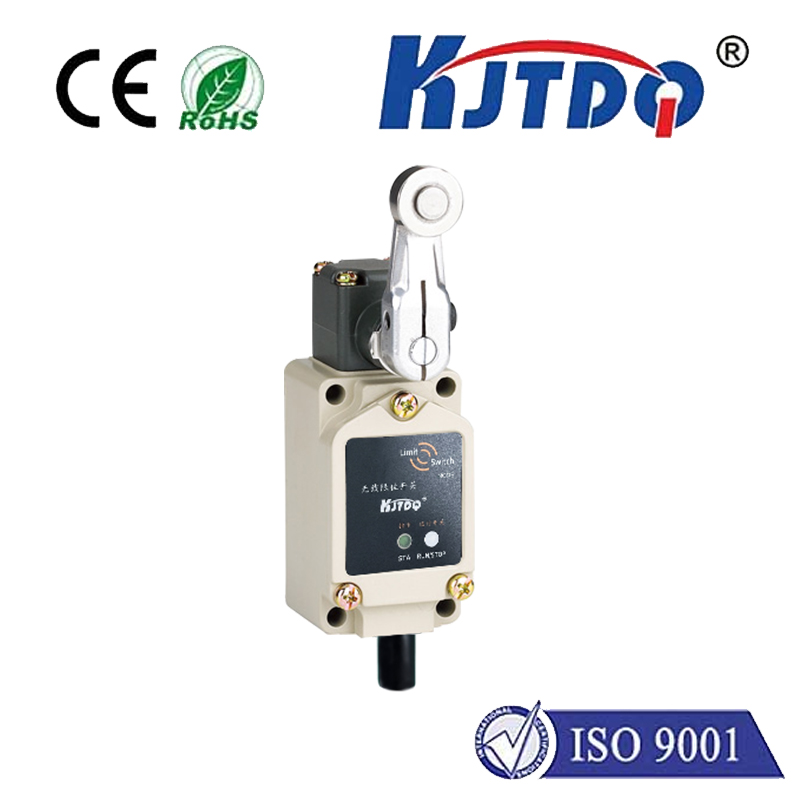
In practice, PNP proximity sensors are ubiquitous. On an assembly line, they verify the presence of components before a robotic arm performs an operation. In material handling, they count boxes on a conveyor belt or detect the position of a pallet. Within automated machinery, they serve as limit switches to confirm the end-of-travel position of a cylinder or actuator, providing critical feedback to the PLC. Their role in ensuring safety, precision, and efficiency in modern manufacturing cannot be overstated.
Troubleshooting typically involves checking the power supply, verifying the target is within range and of the correct material, and inspecting the wiring connections. A simple diagnostic is to use a voltmeter to check if the output voltage switches between the supply voltage and nearly zero when a target is presented and removed. Proper installation, ensuring the sensor is not mounted too close to other metal objects (which can cause false triggers), is also key to reliable operation.
In conclusion, the PNP proximity sensor is a robust, versatile, and indispensable tool in industrial automation. Its ability to provide reliable, non-contact detection forms the backbone of countless control and monitoring systems. By understanding its sourcing output logic, selecting the correct type for the material being detected, and adhering to proper installation practices, engineers can leverage this technology to build more efficient, reliable, and intelligent automated systems.