check

check

check

check

check

check
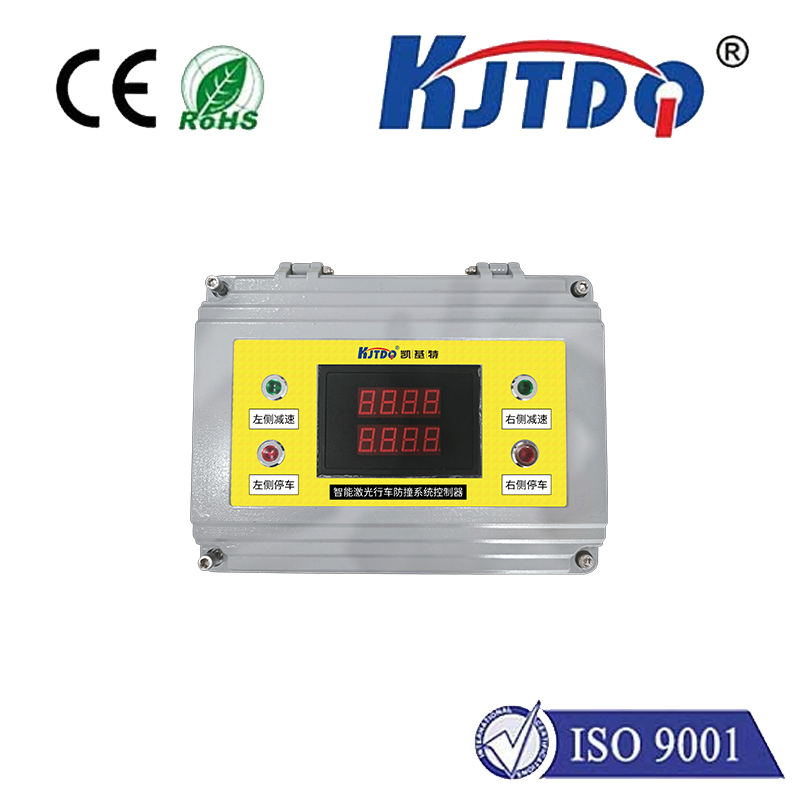
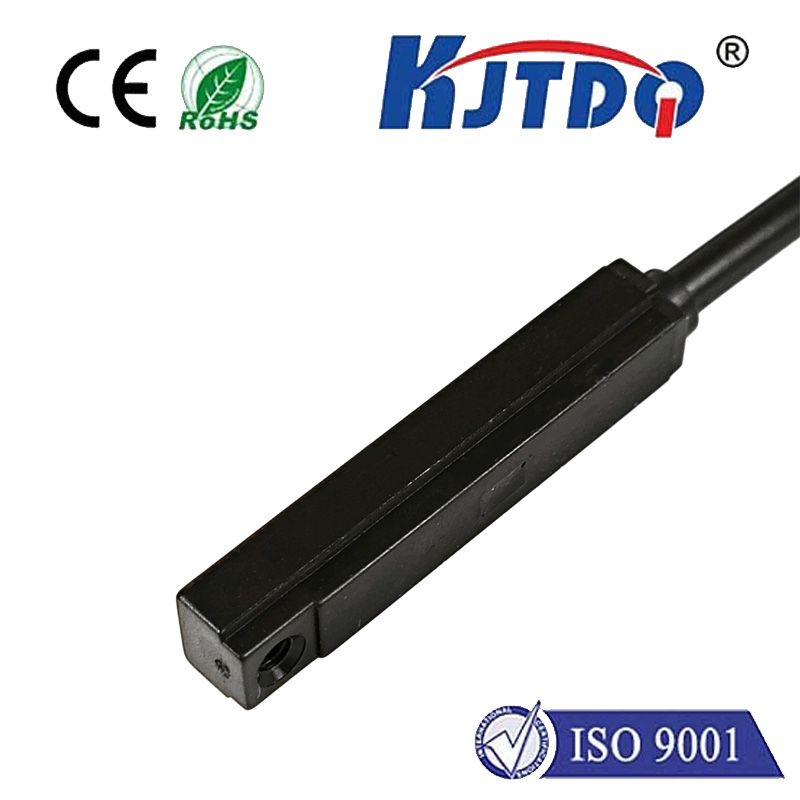
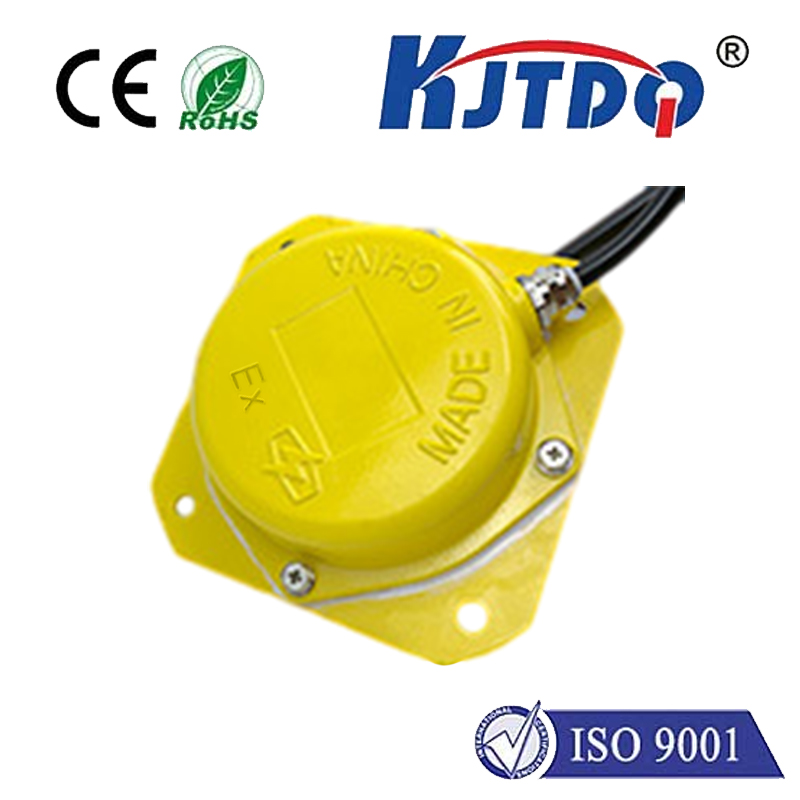
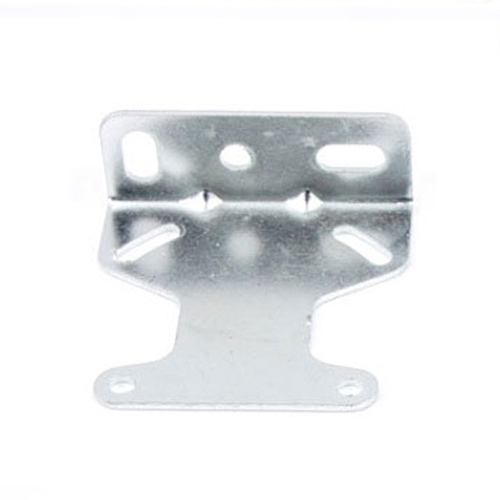
In modern industrial environments, precision and reliability are paramount. The integration of advanced position sensor proximity technology, such as the KJTDQ series, has revolutionized automation systems by providing accurate detection and measurement capabilities. These sensors play a critical role in ensuring seamless operations across various applications, from manufacturing lines to robotic assemblies.
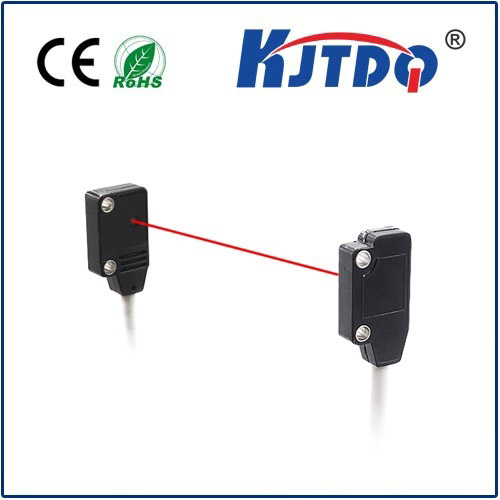
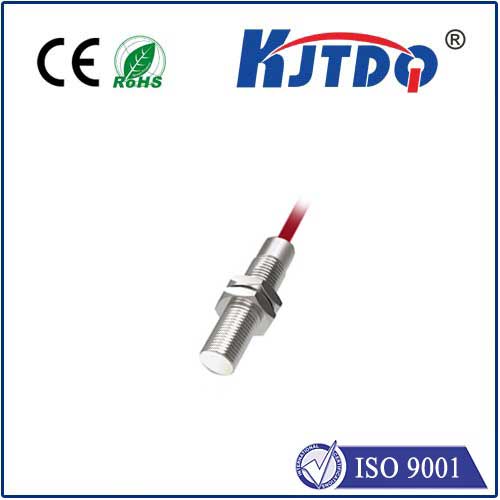
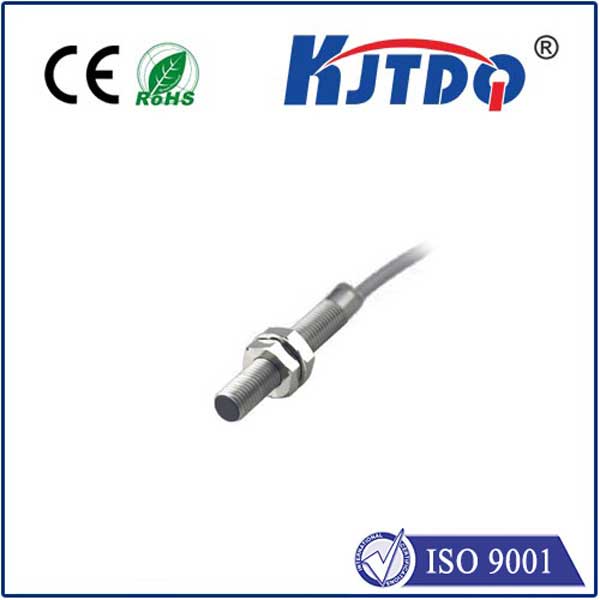
Position sensor proximity devices are designed to detect the presence or absence of objects without physical contact. This non-invasive approach minimizes wear and tear, reducing maintenance costs and downtime. The KJTDQ models, in particular, offer enhanced sensitivity and durability, making them suitable for harsh conditions where dust, moisture, or temperature fluctuations are common. By leveraging electromagnetic or capacitive principles, these sensors deliver consistent performance, even in challenging settings.
One key advantage of KJTDQ proximity sensors is their ability to improve safety and efficiency. In automated machinery, they help prevent collisions by monitoring the position of moving parts, thereby safeguarding equipment and personnel. Additionally, their fast response times enable real-time adjustments, optimizing production speeds and reducing errors. This leads to higher output quality and lower operational expenses, contributing to overall productivity gains.
The versatility of KJTDQ position sensors extends to diverse industries. In automotive manufacturing, they assist in assembly line control, ensuring components are correctly aligned. In packaging systems, they verify item placement, minimizing waste. Even in renewable energy sectors, such as wind turbines, these sensors monitor blade positions to enhance performance and longevity. Their adaptability underscores their value as a foundational component in smart factories and IoT-driven ecosystems.
Implementing KJTDQ proximity technology requires careful consideration of factors like sensing range, material compatibility, and environmental resilience. Selecting the right sensor model based on specific application needs can maximize benefits. Regular calibration and integration with control systems, such as PLCs, further enhance accuracy. As industries embrace Industry 4.0, the demand for robust position sensing solutions continues to grow, driving innovation in sensor design and functionality.
In conclusion, KJTDQ position sensor proximity devices represent a significant advancement in industrial automation. By offering reliable, contactless detection, they support efficient and safe operations, paving the way for smarter manufacturing processes. As technology evolves, these sensors will likely become even more integral to achieving operational excellence in an increasingly automated world.