check

check

check

check

check

check
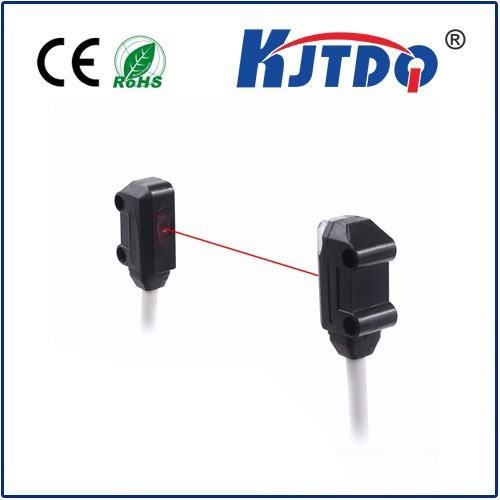
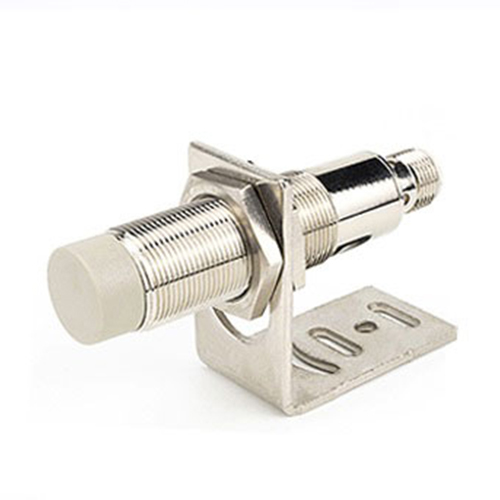
In the realm of industrial automation, precision and reliability are paramount. Among the myriad components that drive efficiency, 8mm proximity sensors stand out as critical tools for non-contact detection. These compact devices, often referred to by the model designation KJTDQ, play a pivotal role in modern manufacturing, packaging, and assembly lines. Their ability to detect metallic objects without physical contact minimizes wear and tear, reduces maintenance costs, and ensures consistent operation in demanding environments.
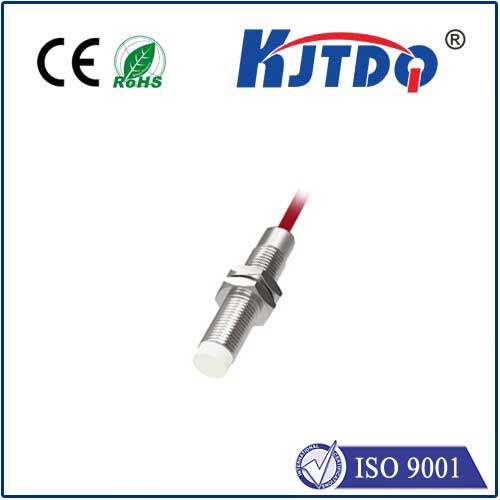
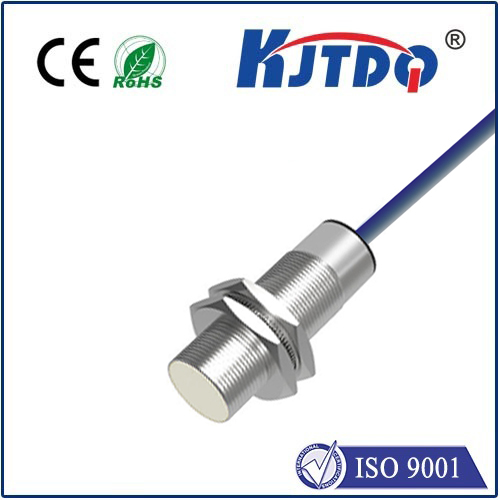
The 8mm diameter of these sensors makes them ideal for applications where space is limited. They can be seamlessly integrated into tight machinery layouts, providing accurate sensing without obstructing other components. Typically, these sensors operate on inductive principles, generating an electromagnetic field to detect ferrous metals like steel and iron. When a target object enters the sensing range, the sensor triggers a signal that can be used to control machinery, count items, or monitor positions. This functionality is essential for automated systems that require high-speed, repeatable operations.
One of the key advantages of 8mm proximity sensors is their robustness. Designed to withstand harsh industrial conditions, they are often built with stainless steel housings, resistant to dust, moisture, and vibrations. This durability ensures longevity even in settings like automotive plants or food processing facilities, where equipment faces constant exposure to contaminants. Additionally, many models feature LED indicators for easy diagnostics, allowing technicians to quickly identify operational status and troubleshoot issues.
The integration of KJTDQ series sensors into automation setups enhances overall productivity. For instance, in conveyor systems, these sensors can detect the presence of products, triggering sorting mechanisms or halting lines to prevent jams. In robotics, they provide precise feedback on arm positions, enabling accurate movements and reducing errors. The non-contact nature also eliminates the risk of damage to delicate items, making them suitable for electronics manufacturing where physical sensors might cause scratches or misalignments.
When selecting an 8mm proximity sensor, factors like sensing distance, output type, and environmental ratings must be considered. Most models offer a standard sensing range of up to 2mm, though variations exist for specific needs. Outputs can be NPN or PNP, compatible with different control systems, while some versions include analog outputs for continuous monitoring. It's crucial to match the sensor to the application requirements, ensuring optimal performance without false triggers or missed detections.
In summary, 8mm proximity sensors, particularly the KJTDQ line, are indispensable in today's automated industries. Their compact size, reliability, and adaptability make them a go-to solution for enhancing precision and efficiency. As technology advances, these sensors continue to evolve, incorporating features like IO-Link connectivity for smarter, data-driven operations. By leveraging such tools, businesses can streamline processes, reduce downtime, and maintain a competitive edge in a fast-paced market.