check

check

check

check

check

check
In today's fast-paced industrial and commercial environments, ensuring operational safety and maximizing efficiency are paramount concerns. The integration of advanced sensing technology plays a crucial role in achieving these goals. Among the various solutions available, ultrasonic proximity sensors have emerged as a reliable and versatile choice. When these sensors are integrated into a centralized control panel, they form a powerful system capable of monitoring and managing proximity detection across multiple points with precision and reliability.
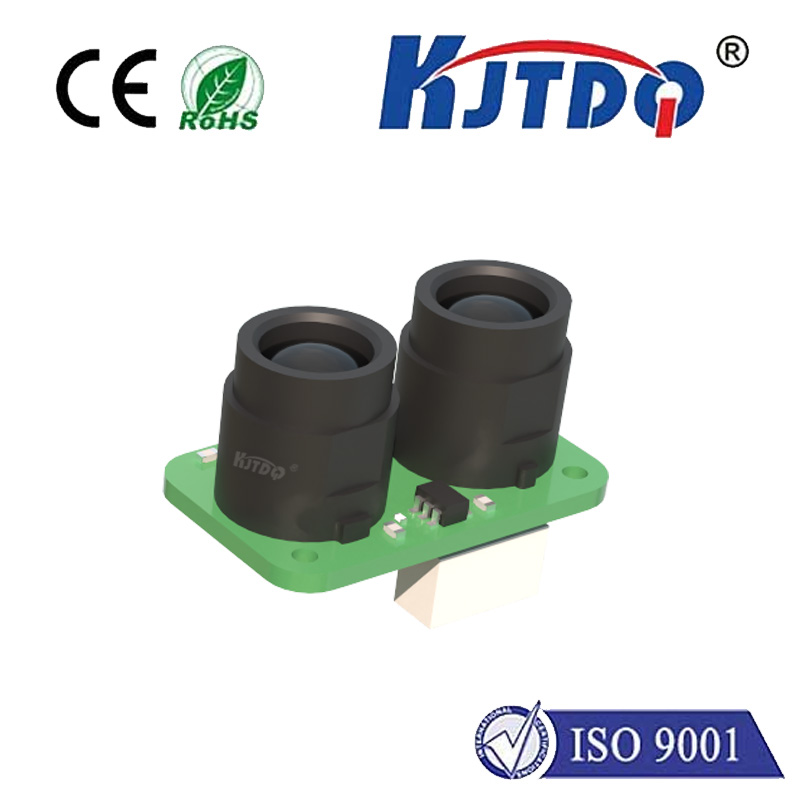
The core principle behind ultrasonic proximity sensors involves emitting high-frequency sound waves beyond the range of human hearing. These waves travel through the air until they encounter an object. Upon hitting the object, the sound waves reflect back to the sensor. The control unit within the sensor then calculates the time taken for the echo to return, accurately determining the distance to the object. This non-contact method of detection offers significant advantages over traditional mechanical switches or optical sensors, particularly in challenging conditions.
One of the primary benefits of an ultrasonic proximity sensors panel is its exceptional performance in environments where other sensors might fail. Unlike optical sensors, ultrasonic waves are not affected by dust, smoke, fog, or varying light conditions. This makes them ideal for applications in manufacturing plants, warehouses, and outdoor settings. The panel system allows for the centralized configuration and monitoring of multiple sensors, providing a comprehensive overview of an entire zone or production line. Operators can set specific distance thresholds for each sensor point directly from the panel, triggering alarms, activating machinery, or halting processes when an object enters a predefined zone.
The application scope for such a system is remarkably broad. In automated guided vehicle (AGV) systems, ultrasonic sensor panels are indispensable for collision avoidance and navigation, ensuring safe interaction with human workers and other equipment. Within the packaging and material handling industry, these panels can monitor the fill level of bins, silos, or containers without physical contact, preventing overflows and optimizing inventory management. Furthermore, in automated parking systems and vehicle assembly lines, the precise distance measurement provided by an ultrasonic panel enhances positioning accuracy and safeguards both equipment and personnel.
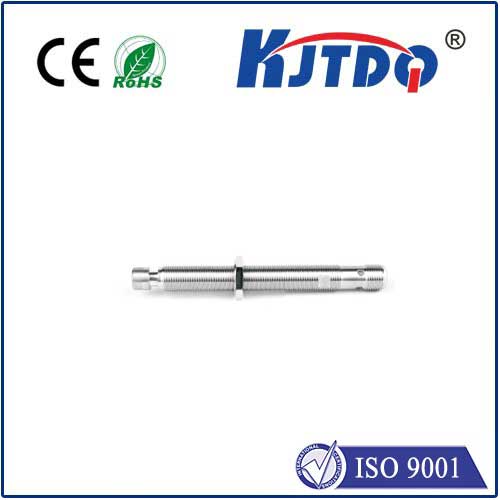
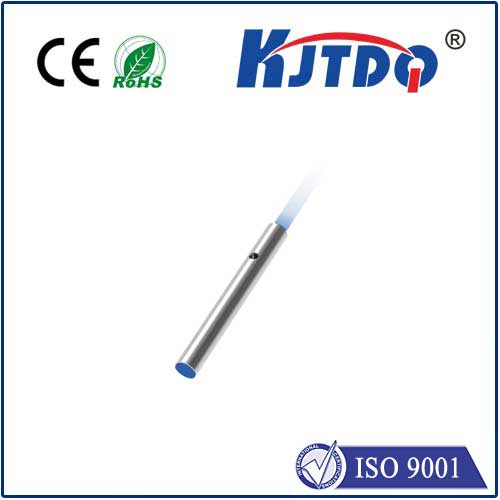
The KJTDQ series of ultrasonic proximity sensor panels represents a significant advancement in this field. Engineered for robustness and ease of use, these panels are designed to withstand industrial rigors. They typically feature a clear visual interface, such as an LCD or LED display, showing real-time distance readings and system status for each connected sensor. The modular design often allows for the connection of several sensors to a single panel, simplifying wiring, reducing installation time, and lowering overall system costs. Advanced models may include features like programmable logic, data logging capabilities, and communication interfaces (e.g., RS-485, Ethernet, or IoT connectivity) for integration into larger supervisory control and data acquisition (SCADA) or building management systems.
When selecting an ultrasonic proximity sensors panel, several key specifications should be considered. The sensing range is critical and should match the application's requirements, from a few centimeters to several meters. The beam angle determines the detection field's width, influencing how precisely an object can be located. Response time is vital for high-speed applications, ensuring the system reacts quickly to changes. Environmental ratings, such as IP67 for dust and water resistance, are essential for durability in harsh conditions. The KJTDQ panels are developed with these factors in mind, offering a range of options to suit diverse operational needs.
Installation and maintenance are straightforward. Proper mounting is essential to avoid acoustic interference and ensure accurate readings. The panel should be positioned away from strong air currents or surfaces that might cause false echoes, such as highly absorbent materials. Regular maintenance mainly involves keeping the sensor faces clean from obstructions like dirt or ice buildup, which could attenuate the ultrasonic signal. The centralized nature of the panel makes system diagnostics efficient, as status indicators can quickly pinpoint any sensor or zone requiring attention.
In conclusion, the move towards smarter automation and enhanced safety protocols continues to drive the adoption of intelligent sensing solutions. An ultrasonic proximity sensors panel, such as those offered in the KJTDQ series, provides a centralized, reliable, and adaptable method for object detection and distance measurement. By offering immunity to environmental challenges and enabling precise control over multiple detection points, this technology not only protects assets and personnel but also streamlines processes, reduces downtime, and contributes to a more efficient and productive operational framework. Investing in such a system is a strategic step toward future-proofing industrial and commercial operations.