check

check

check

check

check

check
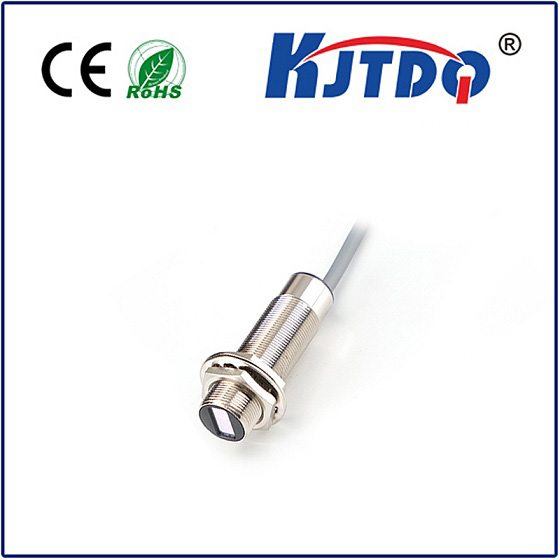
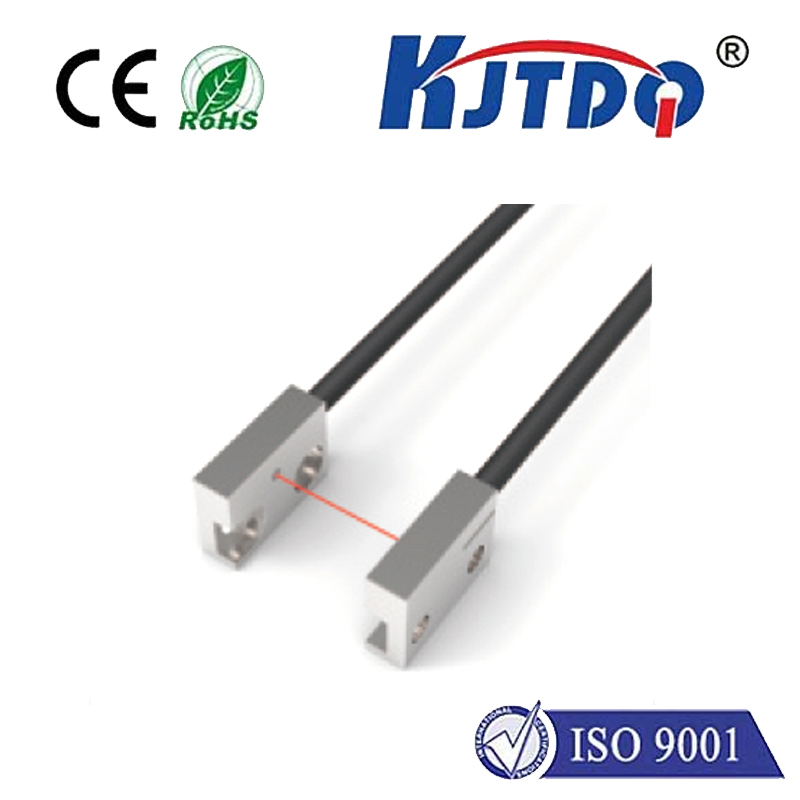
In the rapidly evolving landscape of industrial automation and smart systems, the demand for reliable, precise, and versatile sensing technology has never been greater. Among the array of solutions available, the double distance proximity sensor stands out as a pivotal innovation, redefining how machines interact with their environment. Unlike traditional single-threshold sensors, this advanced device operates with two distinct detection ranges, offering a sophisticated layer of control and safety that is transforming applications from factory floors to intricate robotic assemblies.
At its core, a double distance proximity sensor functions by emitting an electromagnetic field or a beam of light. When an object enters its predefined sensing area, it disrupts this field, and the sensor detects the presence. The revolutionary aspect lies in its dual-range capability. It is typically programmed with a first, longer detection distance—often called the "pre-warning" or "approach" zone—and a second, shorter, more critical distance—the "operation" or "stop" zone. This dual functionality allows for a staged response. For instance, as a robotic arm moves toward a workpiece, the sensor can first detect its approach at a safer distance, triggering a slowdown or preparatory action. As the arm moves closer, reaching the second, more precise threshold, it can initiate the exact gripping or assembly operation, or if it's an obstacle, command an immediate halt.
The practical benefits of this technology are profound, primarily enhancing both operational precision and personnel safety. In automated guided vehicles (AGVs) within warehouses, a double distance sensor can detect a person or object several meters away, prompting the vehicle to reduce speed. If the obstacle continues to approach, entering the critical second range, the AGV can stop completely, preventing collisions. This proactive safety cascade is far superior to a simple on/off stop command. On precision assembly lines, such as in automotive manufacturing, the sensor ensures components are perfectly positioned before a weld or seal is applied. The first detection confirms the part is in the general vicinity and aligned, while the second confirms it is in the exact micron-level correct position, drastically reducing error rates and material waste.
Furthermore, these sensors contribute significantly to predictive maintenance and system efficiency. By monitoring the patterns of object approach and the time between triggering the first and second thresholds, system analytics can identify deviations. A gradual change in these timings might indicate wear on a conveyor belt, misalignment in a feeding mechanism, or the need for calibration, allowing maintenance to be scheduled before a failure occurs. This predictive capability minimizes unplanned downtime, a critical factor in continuous production environments.
The integration of double distance proximity sensors is also streamlined by modern connectivity. Compatible with Industry 4.0 frameworks and IoT platforms, they provide valuable real-time data. This data can be fed into central control systems to optimize entire production flows, adjust machine speeds dynamically, and create detailed logs for quality assurance and safety compliance. Their robust design, often featuring hardened casings resistant to dust, moisture, and electromagnetic interference, ensures reliable performance in harsh industrial settings.
From packaging machinery that gently handles fragile items to collaborative robots (cobots) working safely alongside human operators, the applications are vast and growing. The double distance proximity sensor is not merely an incremental improvement but a fundamental shift towards more intelligent, responsive, and safe automation. It provides the nuanced "sense of touch" that machines previously lacked, enabling them to make context-aware decisions. As industries push towards greater autonomy and efficiency, this sensor technology will undoubtedly remain a cornerstone, ensuring that increased speed and productivity are perfectly balanced with unwavering precision and robust safety protocols. Its role is critical in building the resilient and smart industrial ecosystems of the future.