check

check

check

check

check

check
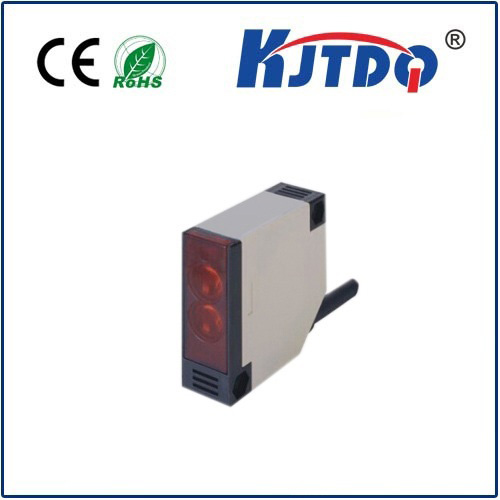
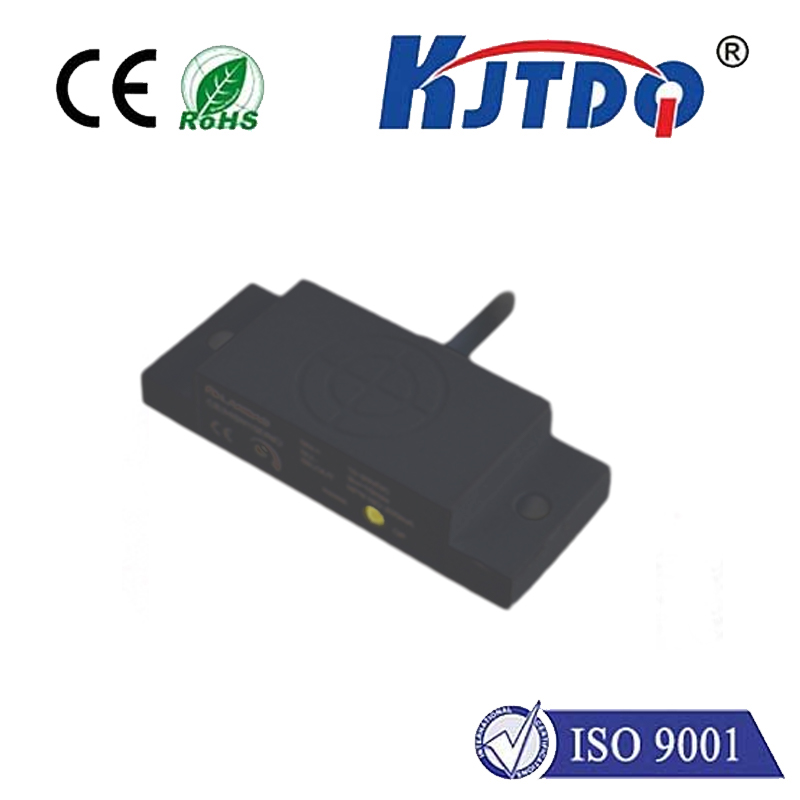
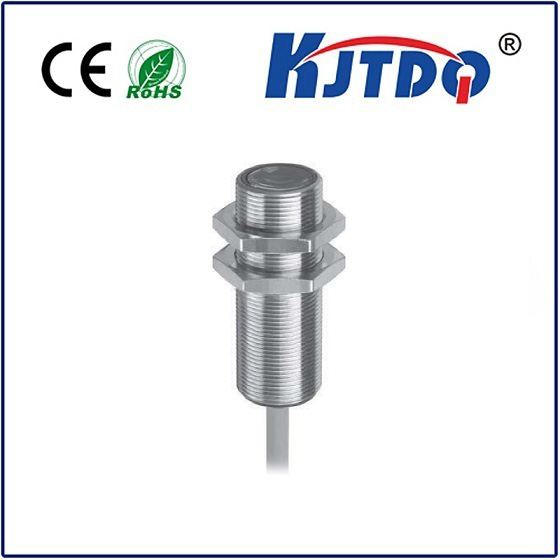
In the fast-paced world of industrial automation, precision, reliability, and adaptability are non-negotiable. Among the myriad of sensing technologies available, the DC 12-24V photoelectric proximity sensor stands out as a cornerstone component for countless applications. This versatile device operates by emitting a beam of light—typically infrared, visible red, or laser—and detecting changes in the received light signal caused by the presence or absence of a target object. Its ability to function effectively without physical contact makes it indispensable in environments where hygiene, object delicacy, or high-speed operation are critical.
The specified operating voltage range of 12 to 24 volts DC is a key feature that underscores its integration-friendly design. This wide voltage compatibility allows the sensor to be seamlessly incorporated into a vast array of standard industrial control systems and programmable logic controller (PLC) networks without the need for complex voltage regulation circuits. Whether installed on a 12V mobile robotic platform or within a 24V factory automation cabinet, this sensor ensures consistent performance. This flexibility significantly reduces inventory and design complexity for engineers and maintenance teams, as a single sensor model can serve multiple machines and voltage standards across a facility.
Performance in challenging conditions is where these sensors truly prove their worth. Modern DC 12-24V photoelectric sensors are engineered with robust housings, often rated IP67 or higher, providing exceptional resistance to dust, moisture, and occasional washdowns common in food processing or pharmaceutical settings. Their solid-state design, with no moving mechanical parts, translates to a long operational life with minimal wear and tear, even in applications involving millions of detection cycles. Furthermore, advanced models offer sophisticated features like background suppression, which allows them to ignore objects beyond a set distance, and precise beam focusing for detecting small or low-contrast targets that would challenge other sensor types.
The application spectrum is remarkably broad. On packaging lines, these sensors accurately count bottles, verify cap placement, and inspect label presence. In material handling, they position pallets, detect stack heights, and manage conveyor flow. Within automated assembly, they ensure components are present and correctly oriented before a robotic arm engages. The non-contact nature also makes them perfect for detecting transparent objects like glass or clear plastics, a task where capacitive or inductive sensors often fail. Their fast response time, often in the microsecond range, is crucial for high-speed sorting and quality control processes where every millisecond counts.
Selecting the right photoelectric sensor involves considering several factors beyond just voltage. The sensing mode—diffuse, retro-reflective, or through-beam—must match the application's requirements for range, target characteristics, and installation constraints. Environmental factors like ambient light, temperature extremes, and the presence of steam or foam must also be accounted for, with many sensors offering specialized filters or housings to mitigate these interferences. Proper alignment and mounting are critical for optimal performance, and many units now incorporate clear visual indicators like LED status lights to facilitate quick setup and troubleshooting, minimizing machine downtime.
For system integrators and plant managers, the benefits extend beyond mere detection. The reliability of these sensors contributes directly to overall equipment effectiveness (OEE) by reducing false triggers and missed detections that cause production stoppages. Their energy-efficient design, inherent to low-voltage DC operation, aligns with sustainable manufacturing goals by lowering the overall power consumption of the control system. When integrated into networked Industrial Internet of Things (IIoT) architectures, these sensors become data points, providing valuable insights into production rates, machine cycle times, and predictive maintenance needs.
In conclusion, the DC 12-24V photoelectric proximity sensor is far more than a simple switch. It is a sophisticated, resilient, and intelligent component that forms the sensory backbone of modern industrial automation. Its wide voltage range ensures easy adoption, while its proven technology delivers the dependable, non-contact detection necessary for efficiency, quality, and safety in today's competitive manufacturing landscape. For any operation seeking to enhance automation precision and reliability, this sensor represents a fundamental and smart investment.