check

check

check

check

check

check
Imagine approaching your refrigerator with arms full of groceries, and the door automatically swings open without a touch. This is no longer a scene from a futuristic movie but a reality in many modern kitchens, thanks to the integration of proximity sensor technology. This innovation is fundamentally changing how we interact with one of the most essential appliances in our homes, moving beyond mere convenience to enhance hygiene, energy efficiency, and overall user experience.
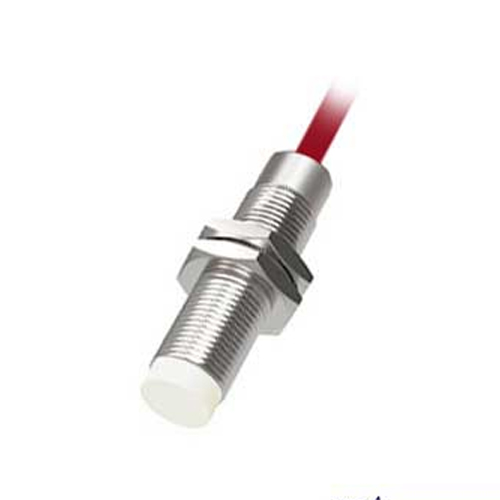
At its core, a proximity sensor in a refrigerator is a small electronic device that detects the presence of a nearby object, typically a user's hand, foot, or even their body, without any physical contact. Commonly using infrared (IR) or capacitive sensing technology, these sensors create an invisible field around a designated area. When this field is interrupted, it sends a signal to a control unit, which then triggers an action—most commonly, the automatic opening of the refrigerator or freezer door.
The benefits of this hands-free operation are immediately apparent, especially in terms of hygiene. In a post-pandemic world, minimizing contact with surfaces is a significant concern. A proximity sensor refrigerator allows you to access your food and beverages without touching a potentially germ-laden handle with dirty hands while cooking, or with messy hands after handling raw meat. This reduces the cross-contamination of bacteria like Salmonella or E. coli, contributing to a safer kitchen environment for you and your family.
Beyond hygiene, the energy-saving potential is substantial. How often has someone stood with the refrigerator door open, pondering what to eat, while cold air escapes? Traditional doors left ajar are a major source of energy waste. Proximity sensor-equipped models often feature enhanced door management. Some systems only open the door when a deliberate, sustained presence is detected, and they may automatically close after a set period if no further activity is sensed. This intelligent sealing maintains a more consistent internal temperature, reducing the compressor's workload and leading to noticeable savings on electricity bills over time.
The convenience factor cannot be overstated. For individuals with mobility challenges, carrying a baby, or handling heavy pots, a simple wave of the hand or a gentle nudge with a knee can grant access. This thoughtful design makes the kitchen more accessible and user-friendly for everyone. Furthermore, this technology is often paired with smart interior lighting that activates upon approach, illuminating the contents clearly without the need to open the door first, helping you find what you need faster and again, conserving energy.
For tech-savvy households, many of these refrigerators integrate with broader smart home ecosystems. Imagine your refrigerator sending a gentle alert to your phone if the door has been left open unintentionally, or providing usage data through an app. The proximity sensor acts as a gateway to this connected experience, enabling seamless interaction between the user and the appliance's advanced features.
When considering a proximity sensor refrigerator, it's important to look for models with reliable sensor placement and sensitivity adjustments. The best systems are calibrated to avoid accidental triggers from pets or passing family members while remaining responsive to intentional gestures. Durability is also key, as the sensor mechanism must withstand the cold, humid environment inside a kitchen.
In conclusion, the incorporation of proximity sensor technology marks a significant leap forward in refrigerator design. It transforms a passive storage box into an interactive, responsive appliance that prioritizes cleanliness, efficiency, and ease of use. As this technology becomes more standardized, it is set to redefine our daily kitchen rituals, making the simple act of getting a snack or a drink a smoother, smarter, and more sanitary experience. The modern kitchen is getting smarter, and it starts with a refrigerator that knows you're coming.