check

check

check

check

check

check
In today's rapidly evolving industrial landscape, the demand for reliable, high-precision sensing technology is paramount. Among the key components driving automation forward, proximity sensors play a critical role. Ruiheng, as a notable provider in this field, offers proximity sensor solutions designed to meet the rigorous demands of modern manufacturing, logistics, and machinery. This article delves into the core functionalities, applications, and advantages of Ruiheng proximity sensors, illustrating why they are becoming an integral part of smart industrial systems.
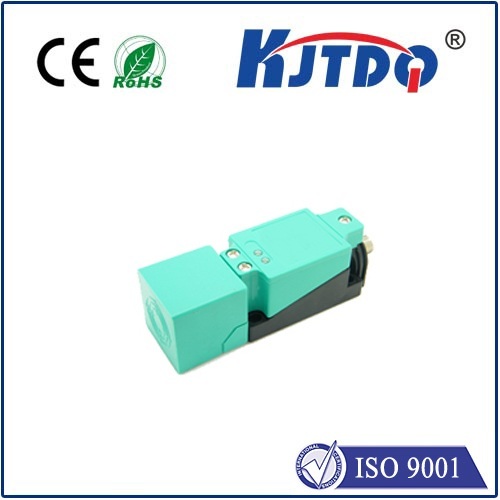
Proximity sensors are non-contact devices that detect the presence or absence of an object within a specific range. Unlike mechanical switches, they operate without physical contact, thereby reducing wear and tear and ensuring longer operational life. Ruiheng proximity sensors are engineered with this fundamental principle, utilizing technologies such as inductive, capacitive, and sometimes magnetic sensing to deliver accurate detection across various materials and environmental conditions. The absence of moving parts translates to minimal maintenance requirements and high reliability, which is crucial for continuous production lines where downtime can be costly.
One of the standout features of Ruiheng proximity sensors is their robust construction. Designed to withstand harsh industrial environments, these sensors are often housed in durable materials that offer resistance to dust, moisture, oils, and chemical splashes. This makes them suitable for deployment in challenging settings like automotive assembly plants, food and beverage processing units, and packaging machinery. The IP67 or higher ingress protection ratings commonly found in Ruiheng models ensure consistent performance even when exposed to demanding conditions, safeguarding the sensor's internal electronics from potential damage.
Accuracy and response time are critical metrics for any sensing device. Ruiheng proximity sensors excel in providing fast and precise detection. With response frequencies that can reach into the kilohertz range, these sensors can detect objects moving at high speeds, enabling real-time control and feedback in automated systems. This high-speed capability is essential for applications such as conveyor belt sorting, robotic arm positioning, and CNC machine tool operation, where milliseconds can impact overall efficiency and product quality. The sensing distance, which can be adjusted or selected based on model specifications, allows for flexible integration into diverse mechanical setups.
Energy efficiency is another area where Ruiheng proximity sensors demonstrate significant value. Many models are designed with low power consumption in mind, contributing to reduced operational costs and supporting sustainable manufacturing practices. Furthermore, the integration of advanced circuitry helps in minimizing electromagnetic interference (EMI), ensuring stable performance even in electrically noisy environments common in industrial facilities. This reliability prevents false triggers and maintains system integrity, which is vital for safety-critical applications.
The versatility of Ruiheng proximity sensors is evident in their wide range of applications. In automotive manufacturing, they are used for part presence verification, robotic welding guidance, and assembly line automation. In the packaging industry, these sensors help in counting products, detecting fill levels, and ensuring proper sealing. They also find use in material handling systems for position detection and in elevators for floor leveling. The ability to detect different materials, including metals, plastics, and liquids (with capacitive variants), expands their utility across sectors. Easy installation, often facilitated by standard mounting brackets and connector types, further simplifies their adoption into existing or new systems.
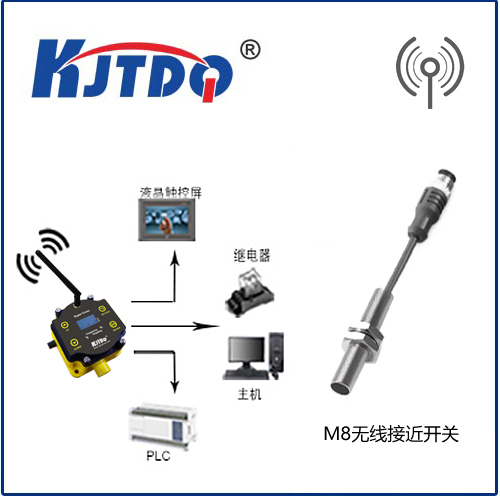
Looking ahead, the integration of Industry 4.0 and the Internet of Things (IoT) is shaping the next generation of proximity sensors. Ruiheng is positioned to contribute to this trend by developing sensors with enhanced connectivity features, such as IO-Link compatibility. This allows for not only detection but also data exchange regarding sensor health, operating parameters, and diagnostic information. Such smart sensors enable predictive maintenance, where potential issues can be identified before they lead to failures, thereby optimizing asset utilization and reducing unplanned stoppages. This data-driven approach aligns with the broader shift towards intelligent, interconnected factories.
In conclusion, Ruiheng proximity sensors represent a blend of durability, precision, and adaptability that meets the core needs of industrial automation. Their non-contact operation, environmental resilience, fast response, and energy-efficient design make them a practical choice for engineers and system integrators aiming to enhance operational efficiency and reliability. As industries continue to automate and digitize, the role of reliable sensing components like those from Ruiheng will only grow in importance, forming the foundational layer upon which smarter, more responsive manufacturing ecosystems are built. Selecting the right proximity sensor is a strategic decision that impacts productivity, and Ruiheng offers solutions worthy of consideration for a wide spectrum of industrial challenges.