check

check

check

check

check

check
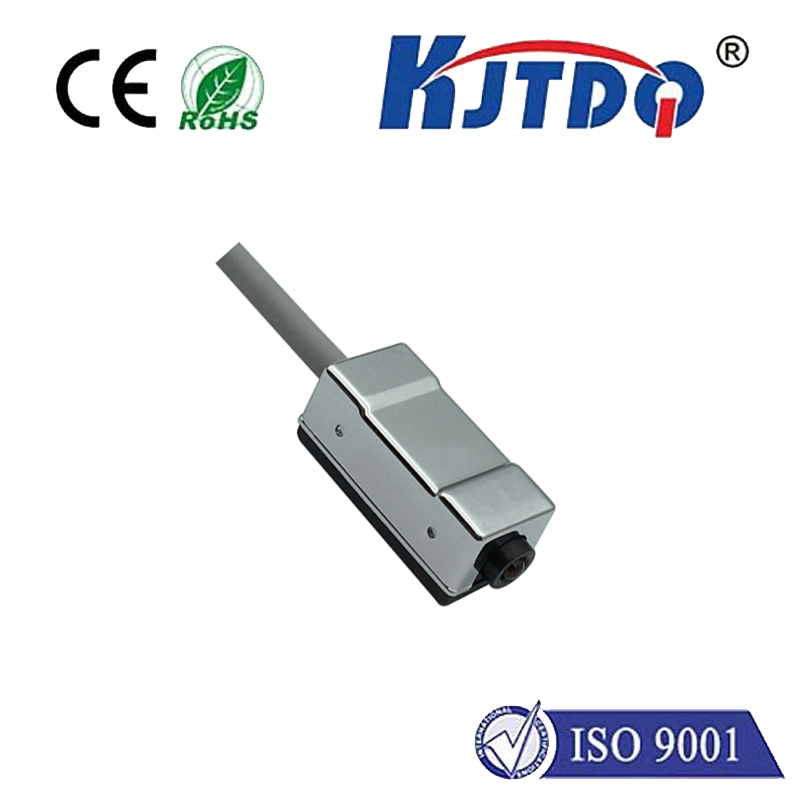
In the rapidly evolving landscape of industrial automation, precision, reliability, and durability are non-negotiable. Traditional sensing methods often fall short when faced with harsh environments involving dust, moisture, or extreme temperatures. This is where the magnetic proximity speed sensor emerges as a game-changing solution, seamlessly integrating robust performance with exceptional accuracy for speed and position detection.
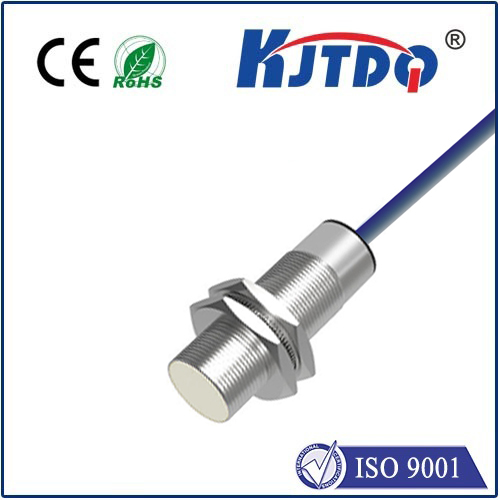
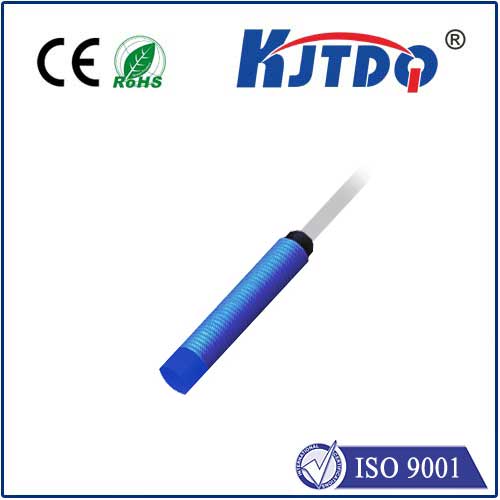
Unlike optical or inductive sensors that can be compromised by environmental factors, the magnetic proximity speed sensor operates on a fundamentally resilient principle. It detects the presence, absence, or rotational speed of a ferromagnetic target—such as a gear tooth or a rotor blade—by monitoring changes in a magnetic field. A permanent magnet within the sensor generates a static field. When a ferrous target approaches, it disturbs this field, which is precisely measured by an integrated Hall-effect or magnetoresistive element. This interaction generates a clear digital or analog signal corresponding to the target's speed or position, without any physical contact. This non-contact operation is the cornerstone of its longevity and minimal maintenance requirements.
The applications for this technology are vast and critical. On factory floors, these sensors are indispensable for monitoring conveyor belt speeds, ensuring synchronized production lines, and preventing bottlenecks. In the automotive sector, they are vital for measuring crankshaft and camshaft speeds, providing essential data for engine control units to optimize performance and emissions. Wind turbine operators rely on them for accurate rotor speed monitoring, a key parameter for efficiency and safety control systems. They are also extensively used in railway systems for wheel speed detection (axle counting) and in heavy machinery for monitoring the RPM of various drives.
The advantages of implementing magnetic proximity speed sensors are compelling. Their inherent design offers remarkable environmental immunity. Sealed in rugged, often stainless-steel housings, they perform flawlessly in the presence of oil, grease, coolant, and vibrations that would incapacitate other sensor types. This leads to significantly reduced downtime and lower total cost of ownership. Furthermore, their high-resolution output allows for the detection of very low speeds and fine positional changes, enabling more precise process control. The simplicity of installation—often requiring just a single mounting point and a power connection—adds to their appeal, reducing integration time and complexity.
When selecting a magnetic proximity speed sensor, several technical specifications demand attention. The sensing range, or the maximum distance at which it can reliably detect a target, must match the mechanical setup. The output type is crucial; options include NPN/PNP transistor switches for simple on/off detection, or analog voltage/current outputs (0-10V, 4-20mA) for proportional speed feedback. Operating temperature range ensures the sensor will function in the specific ambient conditions of the application. Finally, the housing material and ingress protection (IP) rating, such as IP67 or IP69K, define its resistance to dust and water, guaranteeing performance in washdown or outdoor environments.
As Industry 4.0 continues to mature, the role of the magnetic proximity speed sensor is expanding beyond simple monitoring. Modern sensors are increasingly equipped with IO-Link communication capabilities. This smart sensor protocol allows for bidirectional data exchange, enabling remote configuration, real-time diagnostic data transmission (like temperature or signal strength), and predictive maintenance alerts. This transforms the sensor from a passive component into an active node in a networked industrial ecosystem, providing invaluable data for optimizing entire production processes.
In conclusion, the magnetic proximity speed sensor stands as a paragon of robust and intelligent sensing technology. Its ability to deliver consistent, accurate data in the most demanding conditions makes it an unsung hero of modern automation. From ensuring the smooth flow of packaging lines to safeguarding the operation of massive turbines, this sensor technology is pivotal in driving efficiency, safety, and productivity across countless industries. For engineers and system integrators seeking a reliable solution for speed and position sensing, it represents not just a component, but a strategic investment in operational resilience.