check

check

check

check

check

check
In the rapidly evolving landscape of industrial automation and smart devices, the demand for reliable, non-contact detection solutions has never been higher. Among the forefront of this technology is the GTRIC proximity sensor, a component that has become indispensable for countless applications. This guide delves into the core principles, diverse applications, and key advantages of GTRIC proximity sensors, providing a comprehensive overview for engineers, procurement specialists, and technology enthusiasts.
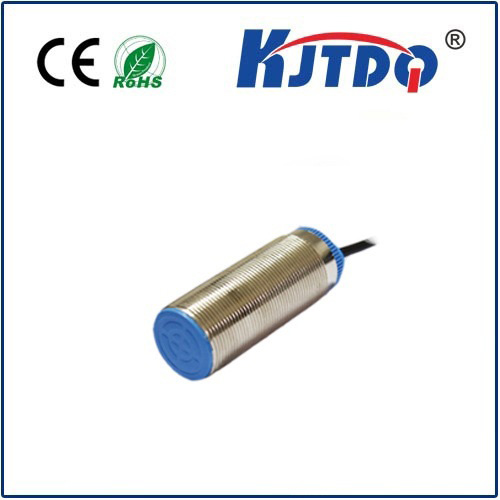
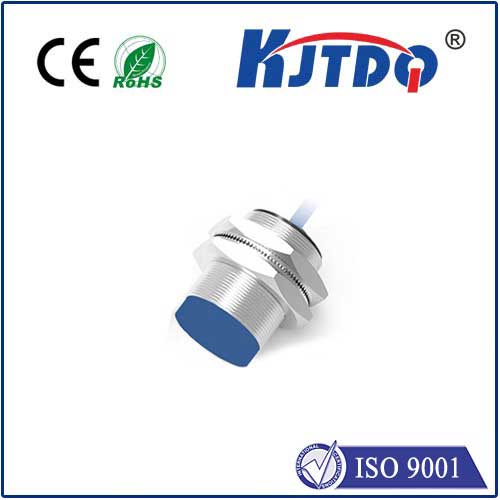
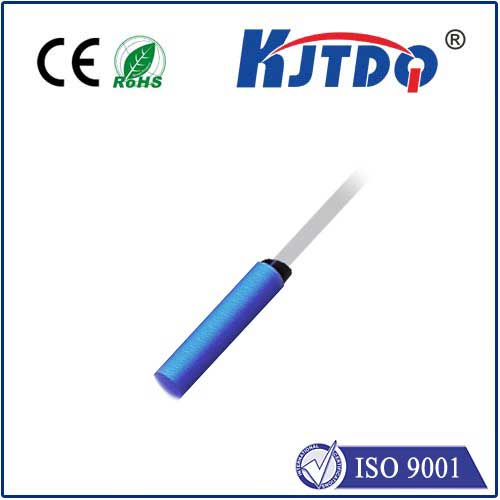
At its heart, a GTRIC proximity sensor is an electronic device designed to detect the presence or absence of an object within a specific range without any physical contact. It operates primarily on the inductive sensing principle. The sensor generates an electromagnetic field. When a metallic object enters this field, it induces eddy currents within the object. These currents cause a change in the oscillation amplitude within the sensor's internal circuit. The sensor's electronics detect this change and trigger a solid-state output signal, effectively switching the output state. This entire process happens in milliseconds, enabling high-speed, repeatable detection.
The applications for GTRIC inductive proximity sensors are vast and span numerous industries. In manufacturing and assembly lines, they are crucial for precise object counting, position verification, and end-of-travel detection for robotic arms and machine tools. The automotive industry relies on them for monitoring rotational speed, checking for part presence in fixtures, and ensuring safety guards are in place. Within packaging machinery, these sensors ensure correct bottle cap placement or verify label presence. Their robustness makes them ideal for harsh environments where dust, oil, or coolants are present, as their sensing face is typically sealed and immune to such contaminants.
Several key features distinguish high-quality GTRIC proximity sensors and contribute to their widespread adoption. One of the most significant is their exceptional reliability. With no moving mechanical parts to wear out, they offer a long operational life, reducing maintenance costs and downtime. Their non-contact nature means there is no physical wear on either the sensor or the target object. Furthermore, these sensors are renowned for their high switching frequency, capable of detecting objects at speeds unsuitable for mechanical limit switches. Many models offer various output configurations, such as NPN, PNP, or analog outputs, providing flexibility for integration into different control systems (PLCs, PCs). Modern versions also come with features like short-circuit protection, overload protection, and LED status indicators for easier diagnostics.
Selecting the right GTRIC sensor for a specific task requires careful consideration of several parameters. The sensing distance, or nominal range, is paramount and must be chosen based on the application's mechanical constraints. It is critical to note that the sensing distance can vary slightly depending on the target material's type and size; standard ratings are typically based on mild steel. The housing material is another vital factor, with options like nickel-plated brass, stainless steel, or PBT plastic catering to different environmental needs regarding chemical resistance, temperature, and physical impact. The electrical specifications, including operating voltage (commonly 10-30V DC) and output current, must match the control system's requirements. Finally, the physical form factor—be it cylindrical, rectangular, or slot-style—must fit the available installation space.
Installation and environmental factors play a crucial role in ensuring optimal sensor performance. Maintaining the correct gap between the sensor face and the target is essential for reliable operation. For cylindrical sensors, it is also important to maintain a recommended clearance from surrounding metal to prevent false triggering. While inductive sensors are inherently robust, extreme temperatures, strong electromagnetic fields from nearby motors or welders, and direct exposure to certain aggressive chemicals should be considered during the system design phase. Proper shielding and sensor selection can mitigate most of these interferences.
The future of GTRIC proximity sensor technology continues to advance alongside Industry 4.0 trends. We are seeing the integration of more advanced diagnostics directly into the sensor, such as IO-Link communication, which allows for parameter setting, process data monitoring, and condition monitoring remotely. This enables predictive maintenance strategies, further enhancing system uptime. There is also a trend towards miniaturization, allowing these powerful sensors to fit into increasingly compact devices and machinery without sacrificing performance.
In conclusion, the GTRIC proximity sensor represents a mature yet continuously improving technology that forms a foundational layer of modern industrial automation. Its ability to provide accurate, wear-free, and fast detection in challenging conditions makes it a versatile and cost-effective solution. By understanding its operating principles, key selection criteria, and application best practices, professionals can effectively leverage this technology to build more efficient, reliable, and intelligent automated systems. As connectivity and intelligence become standard, these sensors will evolve from simple switches into valuable data points within the smart factory ecosystem.